
Booster Club Fundraising
Booster Club Fundraising Mistakes to Avoid
The most common mistakes that cap booster club fundraising results — and the practical fixes that lift participation and totals.
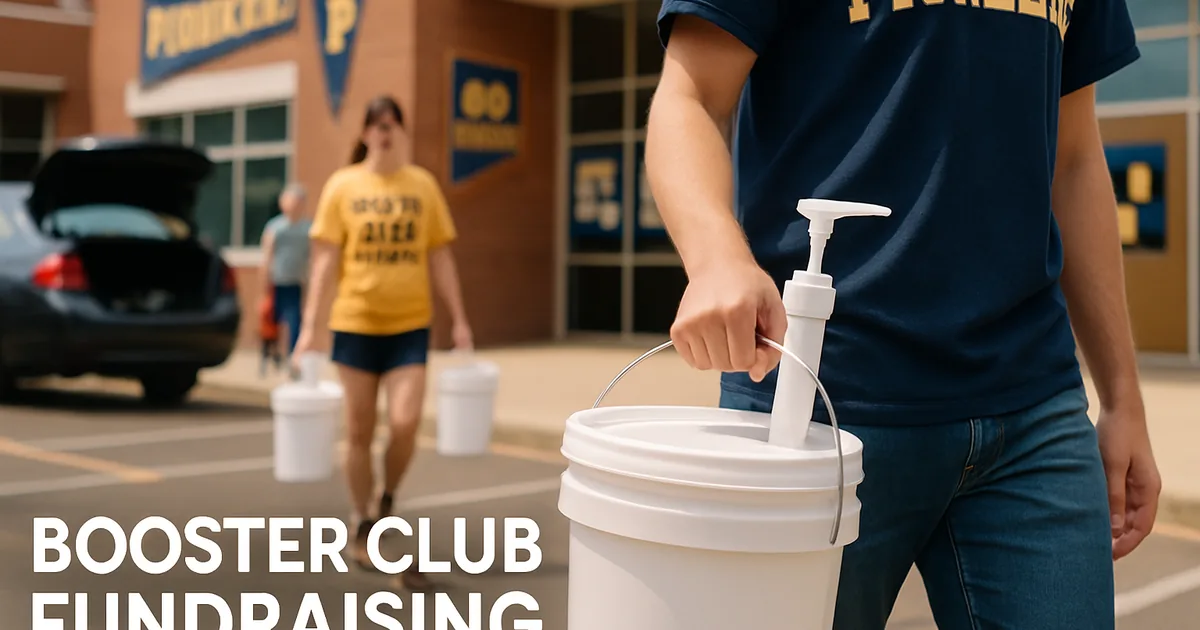
Six practical mistakes to check are unclear goals, unbudgeted cost or workload, calendar conflicts, incomplete launch instructions, missing follow-up, and failing to thank supporters. Set a specific target and deadline, compare written program terms, coordinate dates, give everyone clear instructions, and plan brief reminders and a closing update. These are procedural recommendations to adapt to your group, not a measured ranking of the most common causes or a guarantee of higher proceeds.
Booster clubs exist to fund the gap between what a school or district provides and what a team or program actually needs — uniforms, travel, equipment, coaching stipends. The fundraising is rarely optional, and the coordinator role usually falls to a parent volunteer who has a dozen other things going on. That combination — high stakes, tight timelines, and limited experience — is why the same handful of mistakes show up again and again.
The good news is that most booster fundraising problems are not about effort or commitment. They are about a few predictable missteps that quietly cap results: vague goals, poor timing, weak kickoffs, and the assumption that a fundraiser will run itself once it launches. Addressing them may improve participation and make the campaign easier to manage, though results vary by group.
This guide covers six practical fundraising mistakes, why they can matter, and steps to address them. It does not quantify their cost or rank them from campaign research; use your own results and volunteer feedback to prioritize changes.
- Vague goals reduce urgency and make it harder for families to know what success looks like; a specific dollar target and deadline drive participation.
- Complicated or high-risk fundraisers create volunteer burnout and financial exposure; simpler programs may fit limited volunteer capacity.
- Poor timing — launching during holidays, testing periods, or overlapping events — quietly kills participation before the campaign even starts.
- A clear launch gives families the goal, duties, and deadline; make the same instructions available to anyone who cannot attend.
- Campaigns that go silent after the kickoff can lose momentum; two or three well-timed reminders keep the goal and the deadline visible.
- Skipping the thank-you step damages goodwill for the next campaign; closing with genuine appreciation builds the foundation for repeat participation.
Mistake 1: Setting a vague or missing goal
A common planning mistake booster coordinators make is launching a fundraiser without a clear, specific dollar goal and deadline. Campaigns framed as raising money for the team or helping out this year give families no target to aim for and no urgency to act. Participation suffers because people do not know if their effort matters, and the campaign drifts without a finish line.
A strong goal is a single number and a firm date: We need to raise four thousand dollars by November tenth for new competition uniforms. That clarity tells families exactly what success looks like, gives the coordinator a number to track against, and creates a natural deadline that drives urgency. Vague goals produce vague results.
Mistake 2: Choosing a complicated or high-risk fundraiser
Booster coordinators often inherit a fundraiser someone else picked years ago, or they choose something elaborate because it sounds impressive. The result is the same: a program that requires upfront money, complex logistics, perishable inventory, or a hard sell. These fundraisers create financial risk if participation falls short, burn out volunteers who have to manage too many moving parts, and make it harder for families to find buyers.
The best booster fundraisers are simple, low-risk, and broadly appealing. No upfront cost means the club is not fronting money for inventory it may not sell. Simple logistics mean fewer things can go wrong and less work falls on volunteers. Broad appeal — a product or activity that reaches interested households rather than a narrow niche — widens the buyer pool and raises participation. A fundraiser you can explain in one sentence can outperform one that requires a training session.
Mistake 3: Poor timing and calendar conflicts
Launching a booster fundraiser at the wrong time quietly kills participation before the campaign even starts. The most common timing mistakes are starting during major holidays, overlapping with standardized testing or playoff seasons when families are stretched thin, running during summer break when the team is scattered, and launching at the same time as another school or district fundraiser so families have to choose.
Good timing means checking the school calendar, the district calendar, and your own team schedule before you set dates. The best windows are typically early fall after school settles in, mid-winter after the holiday crush, and late spring before summer break. Avoid the weeks around Thanksgiving, winter holidays, spring break, and end-of-year testing. If another group is running a fundraiser at the same time, coordinate or shift your dates — competing for the same supporters at the same moment hurts both campaigns.
Mistake 4: Skipping a real kickoff
Many booster fundraisers never actually start — they trickle out over days or weeks as families hear about it secondhand or stumble across a flyer. Without a single, clear launch moment, there is no urgency, no shared commitment, and no momentum. Some families may never participate because they never felt the campaign truly began.
A real kickoff is a specific day and time when everyone hears the same message: the goal, the deadline, what you are selling, and how to take part. It can be in person at a team meeting, a dedicated email and text sent simultaneously, or a short video message — the format matters less than the fact that it happens all at once. A strong kickoff creates a sense of occasion, makes it clear that this is happening now, and gives families a reason to act immediately rather than putting it off. A real kickoff may help participation more than a slow rollout, but the effect depends on your group.
Mistake 5: No follow-up or reminders during the campaign
A fundraiser that goes silent after the kickoff can lose momentum. Families get busy, the initial excitement may fade, and participation can drop off as the campaign goes on. Coordinators may assume that if people want to help they will remember on their own, but a gentle reminder can turn intention into action.
Plan for two or three well-timed follow-ups during your campaign: a progress update at the halfway point showing how close you are to the goal, a friendly reminder a few days before the deadline, and a final last chance message on the last day. Keep them short, specific, and focused on the goal rather than scolding or guilt. The tone should be we are this close, here is how you can help if you have not yet rather than why have you not participated. These reminders may help participation by pulling in families who meant to act but needed a nudge.
Mistake 6: Forgetting to thank supporters
The last and most overlooked mistake is failing to close the loop with a genuine thank-you. Once the money is collected and the product delivered, many coordinators move on to the next thing without acknowledging the families and supporters who made it happen. That silence damages goodwill and makes the next campaign harder because people do not feel their effort was noticed or appreciated.
A strong close is simple: send a final message within a few days of delivery that thanks everyone who participated, shares the final total, and explains what the money will fund. If you hit or exceeded your goal, celebrate it. If you fell short, acknowledge the effort and be honest about what comes next. The thank-you does not need to be elaborate — it just needs to be genuine and timely. Groups that close every campaign with real appreciation build a culture of participation that carries into the next fundraiser.
How these mistakes compound
The real cost of these mistakes is not just that each one reduces your total — it is that they compound. A vague goal combined with poor timing and no kickoff creates a campaign where almost nothing happens. A complicated fundraiser that launches without follow-up burns out the coordinator and produces weak results, which makes the next campaign even harder to staff. Fixing one or two of these issues may help; addressing all six can make booster fundraising easier to manage for your group.
Coordinators who hit their goals are not necessarily doing anything elaborate. They might set a clear target, pick something simple, check the calendar, hold a real kickoff, send a couple of reminders, and close with thanks. That six-part pattern is a planning approach to adapt whether your booster is raising a few thousand dollars or several times that.
Common mistakes to avoid
Trying to fund too many things at once
Listing five different needs in your kickoff dilutes the message and makes the goal feel overwhelming. Pick the single most urgent item, fund it, then run another focused campaign later.
Assuming families know what a booster club does
Many parents do not understand that boosters fund essentials the school does not cover. A one-sentence explanation in your kickoff — we fund travel, uniforms, and equipment the district does not pay for — builds buy-in.
Relying on the same few families every time
If only a handful of families participate repeatedly, your fundraiser has a structural problem. Widen the ask, simplify the product, and make participation feel achievable for everyone.
Not tracking participation as you go
If you wait until the end to see who participated, you have no way to course-correct mid-campaign. Track orders daily so you know where you stand and can target your reminders.
Overcomplicating the ask
If families need to read a multi-page packet or watch a training video to understand how to participate, the fundraiser is too complicated. Simplify the message and the process.
Ignoring what worked last time
If a previous fundraiser hit the goal with strong participation, do not reinvent the wheel. Repeat what worked and improve the weak spots rather than starting from scratch.
- The scheduling and participation suggestions are editorial planning advice, not measured comparisons or promises of increased revenue. Test them against your own campaign records and volunteer availability.
- GCF how it works — minimum order, shipping threshold, selling window, paid-order lead time, commercial delivery, and advertised guarantee. For other programs, confirm vendor lead times and local school dates.
Start your fundraiser Talk to Good Clean Fundraising →
Frequently asked questions
A common planning mistake is launching without a clear, specific goal and deadline. Campaigns framed as raising money for the team give families no target to aim for and no urgency to act, which quietly kills participation. A strong goal is a single dollar amount and a firm date — that clarity drives results.
Focus on six things: set a specific dollar goal and deadline, choose a simple low-risk fundraiser with no upfront cost, check the calendar to avoid conflicts and bad timing, hold a real kickoff so everyone starts on the same day, send two or three reminders during the campaign, and close with a genuine thank-you. Fixing these six areas can support participation and planning.
Possible causes include unrealistic demand estimates, unbudgeted costs, unclear instructions, scheduling conflicts, and weak follow-up. Product fit can also matter. Review actual sales, costs, hours, and volunteer feedback rather than assuming one cause explains every shortfall.
The best windows are typically early fall after school settles in, mid-winter after the holiday rush, and late spring before summer break. Avoid launching during major holidays, standardized testing periods, playoff seasons, or at the same time as another school fundraiser. Check your school, district, and team calendars before you set dates.
For GCF, plan two to three weeks of selling plus about two weeks after the paid order for fulfillment. Other programs have different needs. Set dates around school commitments and when usable proceeds are required.
A kickoff is useful for sharing the goal, process, and deadline. It can be a meeting, video, or coordinated message, followed by written instructions for everyone. It is not a proven single biggest participation lever or a guarantee of success.
Consider two or three well-timed reminders: a progress update at the halfway point, a friendly nudge a few days before the deadline, and a final last-chance message on the last day. Keep them short, positive, and focused on the goal. These reminders may help participation by pulling in families who meant to participate but needed a prompt.
Send a thank-you message within a few days of delivery that acknowledges everyone who participated, shares the final total, and explains what the money will fund. If you hit your goal, celebrate it; if you fell short, be honest about what comes next. Closing with genuine appreciation builds goodwill and makes the next campaign easier.
Participation may improve when the goal is clear, the product is easy to sell, the kickoff creates urgency, and reminders keep the campaign visible. The biggest levers are a real kickoff that starts everyone on the same day, a simple fundraiser with broad appeal, and two or three well-timed follow-ups during the campaign.
A simpler program may fit limited volunteer capacity, but compare its likely net proceeds with the alternatives. Pre-ordering reduces speculative inventory; fees, minimums, shipping, and refunds can remain. Clear responsibilities matter as much as a simple pitch.
Most booster fundraising mistakes are not about effort — they are about a handful of predictable missteps that quietly cap results. Set a clear goal, pick something simple, check the calendar, hold a real kickoff, send a couple of reminders, and close with thanks. Fix those six things and your next campaign will have a clearer plan to evaluate afterward.