
How to Run a Successful Fundraiser
Fundraiser Prize & Incentive Program Ideas That Actually Motivate Sellers
How to design a prize structure that drives participation, rewards effort fairly, and keeps volunteers excited from kickoff to finish.
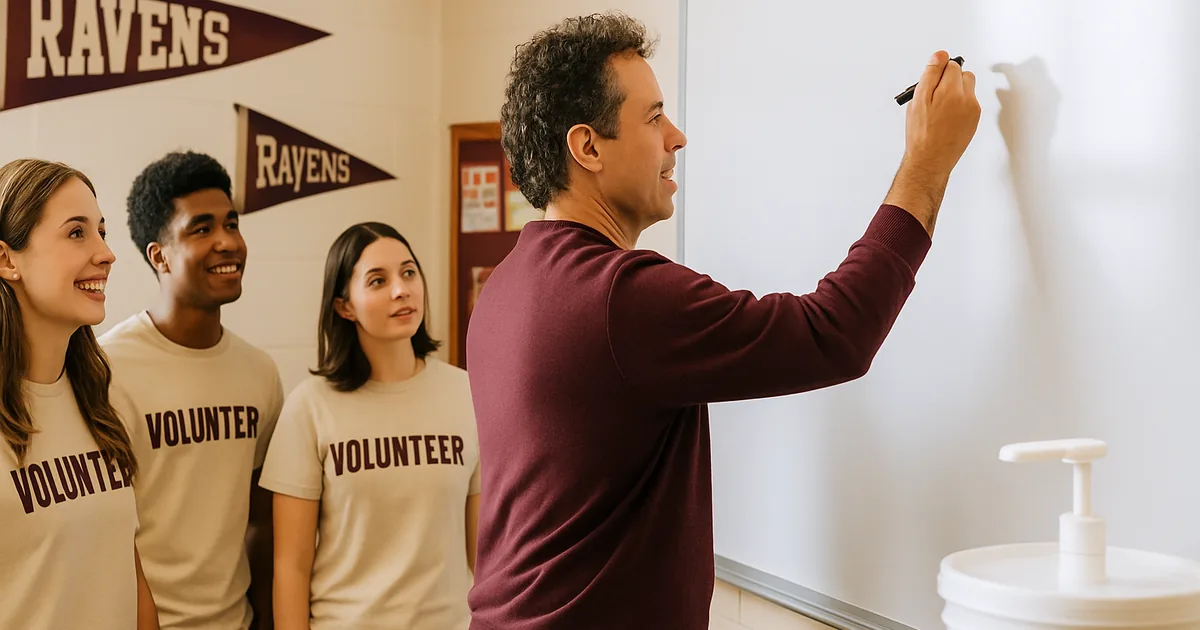
Effective fundraiser incentive programs often combine three elements: instant small rewards that create early momentum, tiered prizes that recognize different effort levels fairly, and non-monetary recognition that makes every participant feel valued. The strongest structures offer something at multiple thresholds—a small prize after the first few sales, mid-tier rewards for solid participation, and top prizes for high performers—so families at every level have a reason to keep going. Instant rewards often work better than delayed rewards, especially for younger sellers, so consider on-the-spot incentives at kickoff or weekly milestones. Team-based challenges can work well alongside individual prizes because they reduce pressure on struggling sellers while still driving totals up. Budget your incentive cost as a fixed percentage of expected profit (as an illustration, 10 percent of a $5,000 profit is a $500 prize budget), and remember that public recognition, certificates, and social rewards cost little and can be motivating on their own.
A fundraiser without incentives can work, and a well-designed prize program may raise more by getting more families to start selling. The right incentive structure does three things at once: it gets more families to start selling, it keeps participants engaged through the middle weeks when momentum naturally fades, and it pushes your top sellers to go further than they would have otherwise.
A common mistake is thinking incentives are just about the top prize. In practice, the small rewards and recognition along the way—the things that make every seller feel like their effort mattered—can drive more participation than a single big prize.
This guide covers how to design a prize program from scratch: the types of incentives that work, how to structure tiers fairly, what to budget, how to balance individual and team rewards, and the low-cost recognition strategies that can motivate as well as expensive prizes.
- The most effective incentive programs reward multiple effort levels, not just top sellers, so every participant has a realistic goal.
- Instant small rewards can create early momentum and help more families start selling in the first few days.
- Tiered prize structures—something at three to five thresholds—keep sellers motivated as they hit each milestone.
- Team-based challenges reduce pressure on individual sellers while still lifting total sales.
- Non-monetary recognition like certificates, shout-outs, and public acknowledgment costs little and can be motivating on its own.
- Budget incentive costs as a percentage of your expected profit to avoid spending more on prizes than you raise.
- Consider small immediate rewards for younger sellers; older participants and adults may respond well to recognition and team success.
Why do incentives work in fundraisers?
Incentives work because they turn an abstract goal—help the team raise money—into a concrete, personal one: sell five items and earn this specific thing. That shift from vague to specific is what gets people to start, and starting is half the battle.
The second reason they work is momentum. A seller who earns a small prize after their first few sales may be more likely to keep going than one who is working toward a single distant reward. Hitting a milestone creates a sense of progress, and research on reward programs finds that people speed up as they get closer to a reward.
The third reason is social. When a fundraiser publicly recognizes participants—whether through a leaderboard, a shout-out at practice, or a certificate—it signals that effort is noticed and valued. For many volunteers, especially kids, that recognition can matter as much as the prize itself.
What types of fundraiser incentives work best?
Not all incentives are created equal. Some drive early participation, others sustain effort through the middle stretch, and a few are designed to push top performers. The strongest programs layer several types together.
Instant rewards for early participation
An instant reward is something a seller earns immediately—often at the kickoff or within the first few days—just for turning in their first order or hitting a very low threshold. Examples include a small toy, a piece of candy, a sticker, or a raffle ticket (raffles are regulated in many states and some schools prohibit them, so check the rules before using one). The prize itself is usually inexpensive, but the psychological effect is large: it proves that the system works and that effort will be rewarded.
Instant rewards are especially effective with younger sellers who struggle with delayed gratification. A third-grader who gets a small prize on day two may be more likely to keep selling than one who is told the prizes come at the end.
Tiered prize structures
A tiered structure offers different prizes at different sales levels—typically three to five thresholds. For example: sell 5 items and earn a small prize, sell 10 and earn a medium prize, sell 20 and earn a larger prize, and so on. The key is that every tier should feel achievable to someone, so you are not just rewarding your top few sellers.
Tiered systems work because they give every participant a next goal. A seller who hits the first tier now has a reason to push for the second. Without tiers, a struggling seller who knows they will never be the top fundraiser may stop trying entirely.
When designing tiers, space them based on realistic effort. If your average seller moves five to eight items, your first tier should be around three to five, your second around eight to ten, and your top tier at a stretch goal like fifteen or twenty. Tiers that are too far apart lose their motivating power.
Top-seller grand prizes
A grand prize for the highest seller is a staple of most fundraisers, and it works—but only if the rest of your incentive structure is strong. A single big prize with nothing else may leave sellers who are not naturally competitive without an attainable incentive.
Grand prizes work best when they are visible and desirable: a popular toy, electronics, a gift card, or an experience like a pizza party or special outing. Announce it at the kickoff and keep it visible throughout the campaign so it stays top of mind.
Team-based challenges and group goals
Team incentives reward a whole group—a classroom, a grade level, a sports team—for hitting a collective goal. For example, if the fourth grade sells 200 items, they earn a pizza party; if the soccer team hits their target, they get a movie night. These work especially well in school and youth-sports settings where group identity is strong.
The advantage of team challenges is that they reduce the pressure on individual low performers. A kid who is struggling to sell does not feel like a failure because their contribution still helps the team. At the same time, peer encouragement can push participation higher than individual incentives alone would.
Team goals also give you a way to recognize effort without ranking kids, which some groups prefer for equity or morale reasons.
Non-monetary recognition and social rewards
Some of the most effective incentives cost almost nothing. Public recognition—a shout-out at a meeting, a name on a poster, a certificate, a photo on social media—signals that someone's effort was noticed and valued, and for many participants that can matter as much as a physical prize.
Examples include: a seller-of-the-week announcement, a thank-you certificate signed by a coach or principal, a spot on a recognition wall, or a small ceremony at the end of the campaign. For older students and adult volunteers, these social rewards may motivate more than trinkets.
The key is consistency and visibility. If you announce a recognition program, follow through every week. If you promise certificates, hand them out. A recognition system that fizzles halfway through does more harm than no system at all.
How do you structure a fair and motivating prize program?
A fair prize program is one where effort at every level is rewarded, not just the top few performers. Start by deciding how many tiers you want—three to five is typical—and then set thresholds based on realistic participation data. If you have run this fundraiser before, look at your past results: what did your median seller achieve? Your top quartile? Use those numbers to set tiers that feel achievable but still require effort.
Next, assign prizes to each tier. Your lowest tier should be inexpensive but tangible—something a kid will want. Your middle tiers should scale up in value, and your top tier or grand prize should be the aspirational reward. Set a fixed share of your expected profit for prizes and stay inside it; as an illustration only (not a standard), setting aside 10 percent of a $5,000 expected profit gives a $500 prize budget, or $2.50 per participant if 200 students take part.
Finally, communicate the structure clearly at your kickoff. Show the prizes, explain the thresholds, and make it obvious that everyone has a realistic shot at earning something. Clarity drives participation.
What should you budget for fundraiser incentives?
Incentive costs vary widely depending on your program and goals, but a useful guideline is to set your total prize budget as a fixed fraction of your expected profit. If you are raising funds for a specific need, spending too much on incentives defeats the purpose; if you spend too little, you may leave participation and total dollars on the table.
Start by estimating your total expected sales and profit, then allocate a percentage to incentives. Work backward from there to decide how much you can spend per tier and per participant. Instant rewards and low-tier prizes should be inexpensive—often just a dollar or two per item—while your grand prize might be a larger single expense.
Remember that some of the most effective incentives—recognition, certificates, team challenges—cost almost nothing. If your budget is tight, lean heavily on those and reserve your spending for a few key tangible prizes.
Should you use individual or team incentives?
The best answer is both. Individual incentives reward personal effort and motivate your naturally competitive sellers, while team incentives create a sense of shared purpose and reduce the pressure on struggling participants. A program that combines the two may drive higher participation and higher totals than either approach alone.
For example, you might offer tiered individual prizes for hitting sales thresholds, plus a team challenge where each classroom or team competes for a group reward. This way, every seller has a personal goal and a team goal, and both are motivating for different reasons.
If you can only choose one, consider your group's culture. In highly competitive environments—travel sports teams, for example—individual incentives may drive more. In collaborative settings like elementary classrooms, team challenges often work better.
How do you keep incentives motivating throughout the campaign?
Momentum can fade in the middle of a fundraiser, and that is where a well-timed incentive boost makes the difference. Plan a few touchpoints throughout your campaign—weekly updates, mid-campaign recognition, or a surprise bonus challenge—to keep energy high.
For example, announce a seller-of-the-week at each practice or meeting, send a reminder email highlighting who just hit a new tier, or introduce a flash challenge in week two where anyone who sells a certain amount in the next three days earns a bonus entry into a raffle. These small interventions keep the fundraiser top of mind and give sellers a reason to keep pushing.
The other key is visibility. If your prizes are sitting in a box in your garage, they are not motivating anyone. Display them at your kickoff, post photos on your group's social media, and remind families what they are working toward. The more tangible the reward feels, the more it drives behavior.
What are some low-cost or free incentive ideas?
If your budget is tight, there are dozens of effective incentives that cost little or nothing. Certificates of achievement, printed on cardstock and signed by a coach or principal, feel official and meaningful to kids. Public recognition—a shout-out at a meeting, a post on social media, a name on a poster—costs nothing and motivates many participants as much as a physical prize.
Other low-cost ideas include: a homework pass (for school fundraisers), a special privilege like choosing the warm-up activity at practice, a handwritten thank-you note from a teacher or coach, a raffle entry for every milestone hit, or a group celebration like a popsicle party or extra recess. Many of these cost less than a dollar per participant but create real excitement.
For team challenges, consider rewards that are experiences rather than things: a movie day, a field trip, a pizza lunch, or a fun practice. These often cost less than buying individual prizes for every seller and create a shared memory that builds group cohesion.
- Set your incentive budget. Estimate your expected profit and allocate a reasonable percentage to prizes—enough to motivate but not so much that it undermines your goal.
- Design three to five prize tiers. Set thresholds based on realistic effort levels so every participant has an achievable next goal, not just your top sellers.
- Choose prizes for each tier. Match prize value to effort required, keeping lower tiers inexpensive and your top prize aspirational and visible.
- Add instant rewards and recognition. Plan small immediate prizes for early participation and low-cost recognition like certificates and shout-outs throughout the campaign.
- Introduce a team challenge. Set a group goal with a collective reward to reduce individual pressure and encourage peer support.
- Communicate and display the program. Explain the full incentive structure at your kickoff, show the prizes, and remind participants of milestones and recognition throughout the campaign.
Common mistakes to avoid
Offering only a single top prize
A grand prize with no lower tiers motivates only your most competitive families. A single top prize may leave some sellers without an attainable incentive.
Setting thresholds too high
If your first prize tier requires more sales than your median participant will ever achieve, it is not motivating—it is discouraging. Tier thresholds should be based on realistic effort levels.
Delaying all rewards until the end
Sellers, especially younger ones, need proof that their effort matters now, not in four weeks. Instant and mid-campaign rewards can drive more participation than end-only prizes.
Spending too much on incentives
If your prize budget eats up a large portion of your profit, you are raising money to buy prizes, not to fund your goal. Keep incentive costs to a reasonable percentage of expected profit before prize costs.
Failing to communicate the program clearly
If families do not understand what they can earn and how to earn it, the incentive program will not drive behavior. Explain the structure at kickoff and remind participants throughout.
Ignoring non-monetary recognition
Many coordinators focus only on physical prizes and miss the motivating power of public acknowledgment, certificates, and social rewards that cost almost nothing.
- Incentive design — editorial guidance based on common school and nonprofit fundraising practice. Tier counts, budget percentages and dollar examples are illustrative rules of thumb, not standards or measured results. Rules on raffles, prizes and student sales incentives vary by state and school district; check them before you start.
- Locke, E. A., & Latham, G. P. (2002). Building a practically useful theory of goal setting and task motivation. American Psychologist, 57(9), 705–717. Cited only for the general principle that specific goals guide effort better than vague ones. — source
- Kivetz, R., Urminsky, O., & Zheng, Y. (2006). The goal-gradient hypothesis resurrected: Purchase acceleration, illusionary goal progress, and customer retention. Journal of Marketing Research, 43(1), 39–58. Field studies of customer reward programs found that people speed up as they get closer to a reward; cited here as an analogy for showing progress toward a fundraising goal, not as fundraiser data. — source
- Karlan, D., & McConnell, M. A. (2014). Hey look at me: The effect of giving circles on giving. Journal of Economic Behavior & Organization, 106, 402–412. A field experiment found that the promise of public recognition increased giving; cited as support for recognizing participants. — source
Start your fundraiser Talk to Good Clean Fundraising →
Frequently asked questions
The best incentive programs combine instant small rewards for early participation, tiered prizes at three to five sales thresholds, a visible top-seller grand prize, team-based challenges, and non-monetary recognition like certificates and public shout-outs. This layered approach motivates participants at every effort level and sustains momentum throughout the campaign.
Start by setting three to five prize tiers with thresholds based on realistic effort—your first tier should be achievable by most participants, your middle tiers should reward solid effort, and your top tier should be a stretch goal. Assign prizes that scale in value, communicate the structure clearly at kickoff, and keep your total incentive budget to a fixed percentage of expected profit.
Often, yes, although results vary and this guide cites no study that measures the effect in school fundraisers. A well-designed incentive program can drive higher participation and higher total sales by giving more families a reason to start selling, sustaining effort through the middle weeks when momentum fades, and pushing top sellers further. The key is offering rewards at multiple levels so everyone has a realistic goal, not just your most competitive participants.
A common guideline is to set your total incentive budget as a fixed percentage of your expected profit—enough to motivate but not so much that it undermines your fundraising goal. As an illustration only, 10 percent of a $5,000 expected profit is a $500 prize budget. Instant rewards and low-tier prizes should be inexpensive, often a dollar or two each, while your grand prize might be a larger single expense. Many incentives like recognition and certificates cost almost nothing.
Low-cost incentives include certificates of achievement, public recognition at meetings or on social media, homework passes, special privileges like choosing a warm-up activity, handwritten thank-you notes, raffle entries, and group experiences like a pizza party or movie day. These cost little and can be motivating, especially for older students and when used consistently.
Many programs use both. Individual tiered prizes reward personal effort and motivate competitive sellers, while team challenges create shared purpose and reduce pressure on struggling participants. Combining the two can drive higher participation and higher totals than either approach alone.
Three to five tiers is a workable range for most fundraisers. Fewer than three and you are not rewarding enough effort levels; more than five and the structure becomes confusing. Space your tiers based on realistic sales data so each threshold feels achievable with effort but is not automatic.
Kids often respond well to instant tangible rewards, visible prizes they can see and touch, clear achievable goals, and public recognition. Younger sellers need proof that effort will be rewarded quickly, while older students also value team success and social acknowledgment. A program that offers something at multiple levels keeps more kids engaged than a single distant prize.
Plan touchpoints throughout your campaign: weekly seller-of-the-week announcements, mid-campaign recognition for milestone hitters, surprise bonus challenges, and visible reminders of what participants are working toward. Keep prizes on display, post progress updates, and use your incentive program to create urgency and celebrate effort as it happens, not just at the end.
A great incentive program is not about spending the most on prizes—it is about designing a structure where every participant has a realistic goal, effort at every level is recognized, and momentum is sustained from start to finish. Get that right, and your fundraiser has a better chance of raising more with less coordinator stress and happier volunteers.