
How to Run a Successful Fundraiser
How to Kick Off a Fundraiser for Maximum Momentum
The first day sets the tone for the entire campaign — here's how to launch with energy, clarity, and participation that lasts.
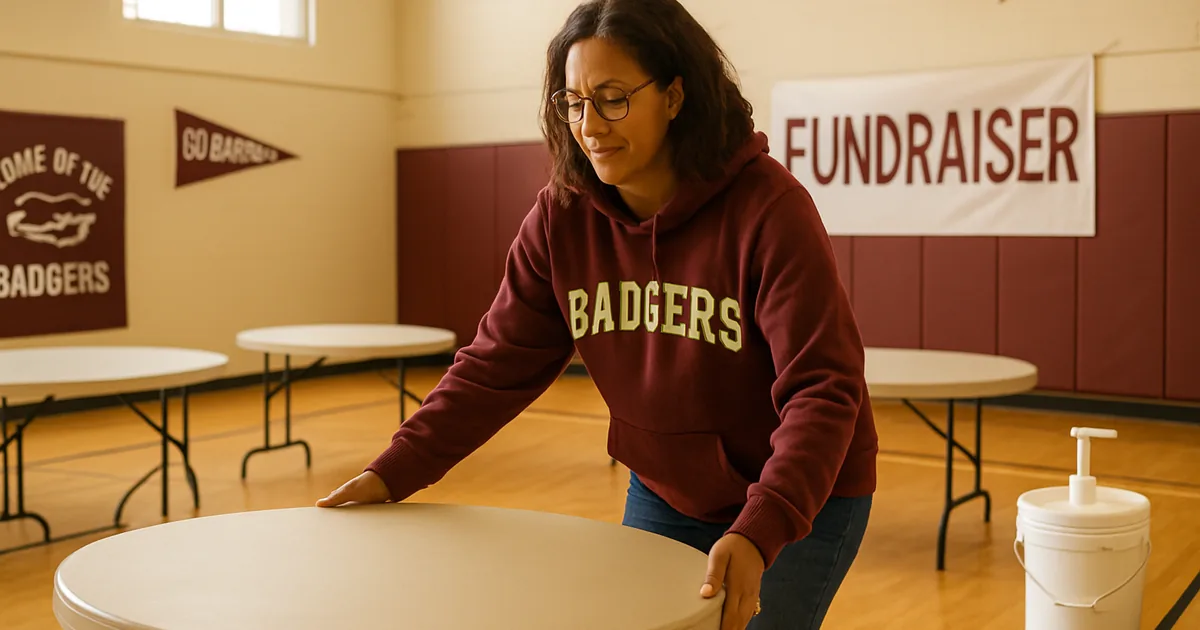
A strong fundraiser kickoff gets everyone started on the same day with a clear understanding of the goal, the product or activity, and exactly how to participate. A strong kickoff usually includes five elements: they happen in person or live whenever possible, they communicate one specific dollar goal and deadline, they explain the why behind the fundraiser in a way that resonates, they make participation feel easy with a simple first action, and they create a sense of shared momentum so families feel part of a group effort rather than selling alone. A good kickoff is usually kept short, uses visuals or demos to make the product tangible, answer common questions upfront, and send participants home with everything they need to start immediately. The single biggest mistake is skipping the kickoff entirely and hoping families will figure it out on their own — in this guide's editorial view, groups that launch together tend to do better than those that trickle-start.
The kickoff is the most underrated part of a fundraiser. It is the moment when a scattered group of families either becomes a unified team moving in the same direction, or stays scattered and raises less than it could have. The difference between the two can come down to a single hour.
A great kickoff does not guarantee a great result, but a weak one makes a strong campaign harder to achieve. When everyone starts on the same day with the same information and the same energy, participation rises, early momentum builds, and the whole campaign runs smoother.
This guide walks through how to plan and run a fundraiser kickoff that drives real participation — what to cover, how to structure it, the mistakes that kill momentum before it starts, and the small details that make families want to take part.
- A strong kickoff gets everyone started on the same day with a clear goal, a simple explanation, and an easy first action.
- In-person or live kickoffs tend to work better than email-only launches because they create shared energy and accountability.
- Strong kickoffs communicate the specific dollar goal, the deadline, and the why behind the fundraiser in under five minutes.
- Participants need to leave the kickoff with everything required to start immediately — materials, instructions, and confidence.
- A product demo or visual makes the fundraiser tangible and gives families something concrete to talk about with supporters.
- The biggest momentum-killer is a vague or delayed start — groups that launch together tend to do better than those that trickle-start over days or weeks.
Why does the kickoff matter so much?
The kickoff is where participation is won or lost. When families start together on the same day, they see that other people are doing it too, which removes the hesitation that comes with being the first or only one selling. That shared start creates a sense of momentum and accountability that an email or flyer never will.
The other reason it matters is clarity. A live kickoff lets you explain the goal, the product, and the process in a way that makes sense, answer the questions that would otherwise stop people from starting, and send everyone home with the materials and confidence they need. Families who leave a kickoff understanding exactly what to do are more likely to actually do it.
A live kickoff lets families ask questions together; a clear email or video launch can also work well when schedules prevent everyone from attending live.
What should you cover in a fundraiser kickoff?
A good kickoff covers five things, in order: the goal and deadline, the why, the what, the how, and the first action. Keep it short — a kickoff of fifteen to twenty minutes is usually enough, not an hour.
Start with the specific dollar goal and the date you need it by. This is the anchor for everything else. Families need to know they are working toward a real number, not a vague aspiration, and that there is a firm end date.
Next, explain the why in a way that resonates. This is not a sales pitch; it is a clear, honest statement of what the money will fund and why it matters. Participants who genuinely understand and care about the goal are more likely to take part.
Then explain the what — the product, event, or activity — in the simplest terms possible. If it is a product fundraiser, show it. A physical demo or sample does more to build confidence than any description. If it is an event, walk through what supporters will experience.
The how is the step-by-step: how to collect orders, how to handle money, where to turn in forms, and who to ask if something goes wrong. This is where you remove the friction that stops people from starting.
Finally, give everyone a first action they can do right now or within twenty-four hours. The best kickoffs send families home with a challenge — reach out to three people today, fill out your own order form as the first sale, or text five supporters before tomorrow. A specific, immediate action turns intention into momentum.
Should the kickoff be in person or virtual?
In person usually works best, but a live virtual kickoff is far better than no kickoff at all. The reason in-person works is that it creates energy and social proof in real time — families see other families committing, they can ask questions without the friction of typing them, and the coordinator can read the room and adjust on the fly.
If in-person is not possible, run a live video call rather than sending a recorded video. The live format still creates a sense of event and shared start, and it lets you answer questions in the moment. Record it and share it immediately afterward for anyone who missed it, but make the live session the main event.
The weakest option is an email with a PDF and a note that says the fundraiser has started, with no chance to ask questions or feel the shared energy of a live start. If you absolutely cannot gather people live, at minimum send a short personal video message from the coordinator explaining the goal and the first action, not just a document.
How do you structure the kickoff event?
The best structure is short, focused, and interactive. Start on time even if not everyone has arrived — waiting teaches people that the start time does not matter. Open with the goal and deadline in the first thirty seconds, then move immediately into the why.
After the why, demo the product or explain the event. If it is a product fundraiser, hold it up, open it, use it, or pass samples around. Let people touch it and ask questions. If it is an event, show photos or a quick video of what it will look like. Make it real and tangible.
Next, walk through the how with visuals. Show a filled-out order form on a screen or poster. Walk through a sample transaction. Explain where money goes, when it is due, and who handles problems. Answer the three questions every participant is thinking: Is this easy? Is this safe? What if something goes wrong?
Then open the floor for questions. The questions you get at the kickoff are the questions that would have stopped people from starting if you had not answered them. Do not rush this part.
Close with the first action and a reminder of the deadline. Make the first action specific and immediate, and if possible, have participants do it before they leave — fill out their own order form, text their first supporter, or commit to a personal goal out loud. End on energy, not logistics.
What materials should participants get at the kickoff?
Send everyone home with everything they need to start immediately: order forms or selling materials, instructions in writing, a contact for questions, and ideally a sample or visual they can show supporters. If participants have to wait for materials or hunt down information later, momentum dies.
The instruction sheet should be one page, not a packet. It should answer the four questions every seller has: What am I selling? How much does it cost? How do I collect money? When and where do I turn things in? If it takes more than a page to explain, simplify the process.
If your fundraiser includes prizes or incentives, make those visible and exciting at the kickoff. Show the prizes, explain the thresholds, and make it clear that they are real and attainable. Incentives work best when participants see them and understand exactly what it takes to earn them.
For product fundraisers, a sample or demo unit is one of the highest-leverage tools you can provide. Families who can show the actual product to supporters may sell more than families who can only describe it. If samples are not possible, high-quality photos or a short video work as a fallback.
How do you create energy and excitement at the kickoff?
Energy comes from clarity, confidence, and a sense of shared purpose, not from hype or gimmicks. The coordinators who generate real excitement are the ones who make the goal feel achievable, the process feel simple, and the why feel meaningful.
Start by showing genuine enthusiasm yourself. If the coordinator seems uncertain or apologetic, families will mirror that. If the coordinator is clear, confident, and excited about the goal, that energy spreads. You do not need to be a performer; you need to believe in what you are doing and communicate that belief.
Use social proof to build momentum. If you have early commitments or strong sellers from past campaigns, mention them. If a respected family or volunteer has already signed up, let people know. Humans are more likely to participate when they see that others already are.
Make the goal visual. Put a thermometer poster on the wall, show a chart of what the money will fund, or display photos of the team or program that will benefit. Abstract goals do not motivate; concrete, visible ones do.
Finally, celebrate small wins immediately. If someone turns in their first order at the kickoff, acknowledge it. If a family commits to a personal goal out loud, cheer for them. Early celebration reinforces that participation is valued and noticed.
What happens after the kickoff?
The kickoff is the launch, but momentum dies without follow-up. Send a recap message within twenty-four hours that includes the key points, the deadline, a link to any resources, and a reminder of the first action. This catches anyone who missed the kickoff and reinforces the message for everyone who attended.
Check in with participants within the first few days. A short message asking how it is going, celebrating early wins, and offering help removes the feeling of being on your own. The groups that maintain momentum are the ones where the coordinator stays visible and supportive throughout the campaign.
Plan at least two more touchpoints during the selling window: a midpoint reminder and a final push message a few days before the deadline. Each one should include the current progress toward the goal, a specific call to action, and encouragement. Consistent, friendly communication keeps the fundraiser top of mind without feeling like nagging.
- Set your goal and deadline. Choose a specific dollar amount and a firm end date, and open the kickoff by stating both in the first thirty seconds.
- Explain the why. Tell participants what the money will fund and why it matters in a way that resonates — keep it honest, clear, and under two minutes.
- Demo the product or event. Show the product, pass samples around, or display visuals of the event so participants can see and understand what they are selling.
- Walk through the how. Explain step-by-step how to collect orders, handle money, and turn in forms, and answer the questions that would stop people from starting.
- Answer questions and remove friction. Open the floor for questions and address concerns in real time so participants leave with clarity and confidence.
- Give a first action and close with energy. Send everyone home with a specific, immediate action they can take within twenty-four hours, and remind them of the deadline and the goal.
Common mistakes to avoid
Skipping the kickoff entirely
A live kickoff lets families ask questions together and creates shared energy that a document alone cannot; a clear email or video launch can also work when schedules prevent attendance.
Making the kickoff too long or too complicated
A kickoff that runs over thirty minutes loses attention and energy. Keep it short, focused, and action-oriented — cover the essentials and let people go.
Starting without a clear goal or deadline
Vague goals like 'raise as much as we can' do not motivate. Families need a specific dollar amount and a firm end date to plan around and work toward.
Failing to demo the product or make it tangible
Describing a product is far less effective than showing it. Participants who can see, touch, or experience what they are selling are likely to have more confidence and may sell more.
Sending people home without materials or a first action
If participants leave the kickoff without everything they need to start, or without a clear immediate next step, momentum dies before it begins.
Not following up within twenty-four hours
The kickoff energy fades fast without reinforcement. A recap message within a day keeps the momentum alive and catches anyone who missed the event.
- Kickoff planning — editorial guidance based on common school and nonprofit fundraising practice. Recommended kickoff lengths (15–20 minutes), the 24-hour recap and the first-action idea are practical rules of thumb, not measured results.
- Locke, E. A., & Latham, G. P. (2002). Building a practically useful theory of goal setting and task motivation. American Psychologist, 57(9), 705–717. Cited only for the general principle that specific goals guide effort better than vague ones. — source
- Shang, J., & Croson, R. (2009). A field experiment in charitable contribution: The impact of social information on the voluntary provision of public goods. The Economic Journal, 119(540), 1422–1439. Telling prospective donors what others had given influenced how much they gave, especially first-time donors; cited as support for the social-proof principle. — source
Start your fundraiser Talk to Good Clean Fundraising →
Frequently asked questions
The strongest kickoffs get everyone started on the same day with a clear goal, a simple explanation of the product or activity, and an immediate first action. Hold the event live whenever possible, keep it short and focused, demo the product so it feels real, answer questions upfront, and send participants home with everything they need to start right away.
Start with the specific dollar goal and deadline, then explain what the money will fund and why it matters. Next, demo the product or explain the event, walk through how to participate step-by-step, answer questions, and close with a specific first action participants can take immediately. Keep the whole thing under twenty minutes.
In person is best because it creates shared energy and social proof, but a live virtual kickoff is far better than no kickoff at all. Avoid relying solely on email or recorded videos — live events, whether in person or online, tend to drive higher participation.
Fifteen to twenty minutes is ideal. Long enough to cover the goal, the why, the product, the process, and questions, but short enough to keep energy high and attention focused. Kickoffs that run over thirty minutes can lose momentum.
Everyone should leave with order forms or selling materials, a one-page instruction sheet, a contact for questions, and ideally a sample or visual of the product. If participants have to wait for materials or hunt down information later, momentum dies.
Energy comes from clarity, confidence, and a sense of shared purpose. Show genuine enthusiasm, make the goal visual and achievable, use social proof by mentioning early commitments, and celebrate small wins immediately. Avoid hype without substance — real excitement comes from making people feel capable and supported.
Skipping it entirely, or launching with only an email and a PDF and no chance for families to ask questions together. The other common mistakes are making the kickoff too long, failing to demo the product, and not giving participants a clear first action.
Send a recap message within twenty-four hours with the key points, the deadline, and a reminder of the first action. Check in with participants within the first few days, and plan at least two more touchpoints during the campaign — a midpoint reminder and a final push before the deadline. Consistent, supportive follow-up keeps momentum alive.
Make the first action specific and immediate, send everyone home with everything they need to start, follow up within a day, and stay visible and supportive throughout the campaign. Participation rises when the process feels easy, the goal feels real, and the coordinator is present and encouraging.
You can, but a kickoff creates shared momentum, clarity, and accountability that trickle-starts and email launches do not, so skipping it usually means more confusion and a slower start.
The kickoff is not just the start of your fundraiser — it is the moment when scattered individuals either become a team or stay scattered. Get everyone in the same place at the same time, give them clarity and confidence, and send them out with a specific action they can take today. Do that well, and the rest of the campaign will run easier than you expect.