Non-Food & Alternative Fundraising
Fundraisers People Actually Like: What Supporters Want to Buy
The fundraisers that supporters genuinely want to participate in — and why household-necessity programs tend to top the list.
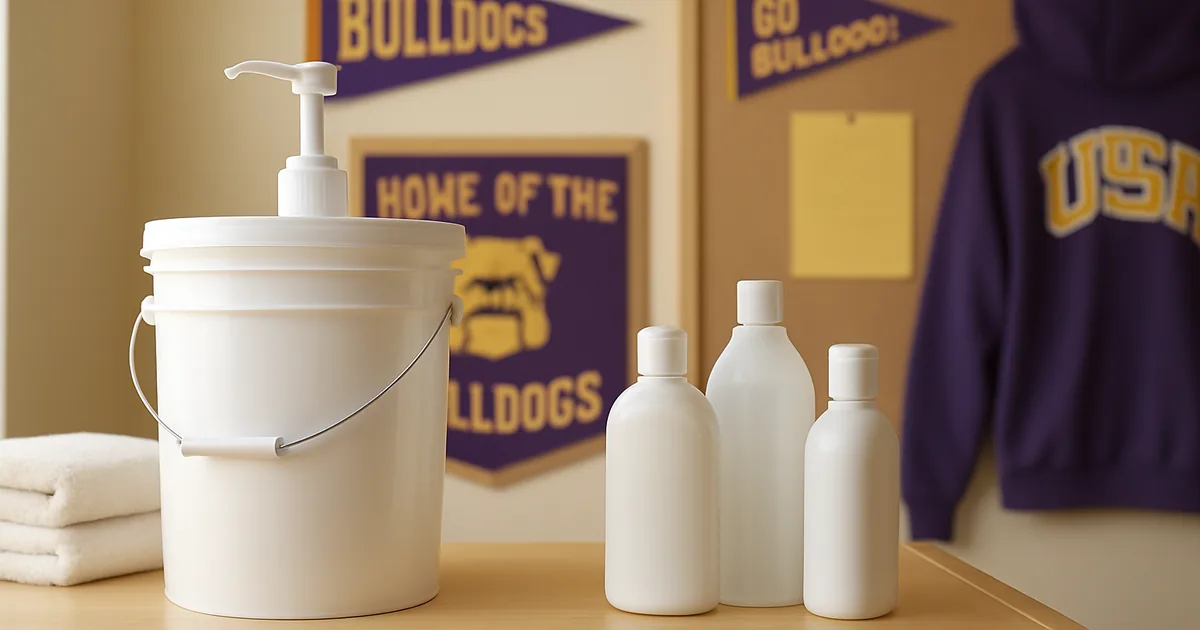
The fundraisers people actually like tend to share four traits: they sell something supporters need or want, they offer real value rather than a marked-up novelty, they ask for a purchase shift rather than extra spending, and they create little guilt or waste. Household-necessity fundraisers — especially bulk laundry detergent and cleaning products — can meet all four criteria. A 5-gallon bucket holds 640 ounces, so at $49.95 the buyer pays about 7.8 cents per ounce. Premium national-brand liquid detergents typically cost more per ounce at retail, though exact pricing varies by store, size, and promotion — compare that figure to what you currently pay, since value-tier and store brands can cost less per ounce. The product is non-perishable and useful, and supporters are shifting a purchase many were going to make anyway. In contrast, traditional treat fundraisers (cookie dough, candy, popcorn) ask people to buy something they may not need at a premium price, which can narrow the buyer pool and create resistance.
If you have ever watched a fundraiser stall because families could not find buyers, the cause may not have been effort — it may have been the product. Supporters will back a group they care about, but many will hesitate to buy something they do not want at a price that feels unfair, no matter how good the cause.
The fundraisers that work well are often the ones people like participating in. That sounds obvious, but many groups still run programs built around the opposite assumption: that supporters will buy out of obligation, even when the product is a novelty item priced to cover two layers of profit.
This guide covers what can make a fundraiser one that people want to support, why household-necessity programs can rank well on those traits, how the main options compare, and what to weigh when choosing.
- The fundraisers people tend to like most sell something they need, offer real value, and ask them to shift a purchase rather than spend extra.
- Household-necessity fundraisers — laundry detergent, cleaning products — can meet all of these criteria and can reach a wider buyer pool than treat fundraisers.
- Supporters may resist marked-up novelty items because both the group and the vendor profit from a single price; they tend to respond to products priced at genuine value.
- Non-perishable products avoid the logistics (frozen delivery, spoilage, storage) that make some traditional fundraisers frustrating for sellers and buyers.
- A product people repurchase can support repeat participation; one-time novelties may exhaust the buyer pool after a single campaign.
- When supporters get something useful at well below premium national brands' typical per-ounce retail price, selling can feel more like offering a deal than asking a favor.
What makes a fundraiser one that people actually like?
The fundraisers that supporters want to participate in tend to share four traits. First, they sell something people need or want — not a product they have to be talked into. Second, they offer real value: the supporter gets something worth what they paid, or better. Third, they ask for a purchase shift rather than extra spending — buy this instead of your usual version, not buy this on top of everything else. Fourth, they create little guilt, waste, or awkwardness: no perishable food going bad, no overpriced novelty gathering dust.
When a fundraiser checks all four boxes, selling can get easier and participation may rise. When it misses one, coordinators may spend more of the campaign pushing reluctant families to find reluctant buyers.
Why do household-necessity fundraisers tend to rank highest?
Household-necessity fundraisers — bulk laundry detergent, cleaning supplies, and similar staples — can meet all four criteria at once, which is why many groups consider them as a replacement for traditional treat programs. Most households buy detergent, and when a 5-gallon bucket's per-ounce price typically runs below premium national-brand pricing at retail, supporters may get real value while backing the group, though value and store brands can cost less. For supporters who were already due to buy detergent, that can feel like shifting a purchase from the store to the fundraiser rather than spending extra — though whether it lands that way depends on their own timing, budget, and brand preference.
The buyer pool can also be wider. A dessert or snack fundraiser appeals mainly to people who want that treat; a necessity is relevant to most households. That means grandparents, neighbors, coworkers, and extended family who might not buy cookie dough or popcorn may buy detergent, especially at a lower per-ounce price. More potential buyers per family can mean higher participation and higher totals.
The product is also non-perishable, which removes some of the logistics headaches of food fundraisers: no frozen delivery day, no spoilage, less of a storage scramble. Buyers use it up and may want more, which can make repeat campaigns simpler.
How do the fundraisers people like compare?
Here is how the most common fundraiser types stack up on the four criteria supporters care about: genuine need, real value, purchase shift vs. extra spending, and no guilt or waste.
Why do people dislike traditional treat fundraisers?
Resistance to cookie dough, candy, popcorn, and similar programs often comes down to value and necessity. These products can be priced well above their everyday worth because both the group and the fundraising company have to profit from that single sale. Supporters may feel they are paying a premium for something they do not need, which can make the ask feel like a favor rather than a fair trade.
The buyer pool can also be narrow: treat fundraisers mainly appeal to people who want that specific indulgence, so families may exhaust their list of potential buyers quickly. Add in perishability — cookie dough has to stay frozen, chocolate can melt, popcorn can go stale — and you have a product that can be logistically difficult.
When a fundraiser asks supporters to spend extra money on a non-necessity at a high price, participation may drop. When it asks them to shift a purchase they were already making to a product at a better price, participation may rise. That is the core difference.
What do supporters say they want in a fundraiser?
Common themes in what supporters say they want are easy to anticipate: they want to feel they got something useful for their money, they want the price to feel fair, they do not want to be pressured, and they want the process to be simple. A household staple priced at well below premium national brands' typical per-ounce retail price can address each of those. A supporter who was going to buy detergent this month anyway can buy it from the team instead of the store, potentially save money, and support a group they care about. It is not charity and it is not a favor — it is a value exchange. These are general observations, not survey results.
Parents selling a product people already use, at a price that is genuinely good, may find the conversation easier. They are not asking anyone to do them a favor or buy something overpriced out of obligation; they are offering a deal on a staple.
Our recommendation: The Good Clean Fundraiser
If you want a fundraiser people actually like, one option is to start with a household necessity they already buy at a price that feels like a deal. Good Clean Fundraising runs The Good Clean Fundraiser™, a bulk laundry-detergent program: groups sell a 5-gallon pump bucket for $49.95 and pay $0 upfront because the group collects orders and payment first, then submits the final order with payment. Shipping is free at 100 or more buckets, and the company provides a Getting Started packet, instructions, marketing materials, and social media strategies.
At the $49.95 price, groups keep about $13.45 to $15.45 per bucket at 100 or more buckets, depending on order volume. A 5-gallon bucket holds 640 ounces, so at $49.95 the buyer pays about 7.8 cents per ounce. Premium national-brand liquid detergents typically cost more per ounce at retail, though exact pricing varies by store, size, and promotion — compare that figure to what you currently pay, since value-tier and store brands can cost less per ounce.
Good Clean Fundraising advertises a 100% money-back guarantee under which, according to the company, any unsatisfied customer is refunded and the group keeps its profit. Groups should plan for the 50-bucket minimum, a commercial delivery address, and about two weeks of fulfillment after the paid order is submitted.
The reasoning is simple: you are asking supporters to do something many were going to do anyway — buy detergent — and offering a per-ounce price below premium national brands while backing your group.
| Factor | Household Necessity | Traditional Treat |
|---|---|---|
| Genuine need or want | Most households buy it | Only appeals to treat buyers |
| Real value for price | ~7.8¢/fl oz | Priced to cover two profit layers |
| Purchase shift vs. extra spending | Shift from store to fundraiser | Extra spending on top of budget |
| No guilt, waste, or awkwardness | Non-perishable, stores easily | Perishable, can spoil or melt |
Common mistakes to avoid
Choosing a product you would not buy yourself
If you personally would not pay the asking price for the item, that is worth a second look, though your supporters' preferences will not all match yours. Run the product through the filter a buyer would: is it useful, is the price fair, and would a typical supporter actually want this?
Assuming people will buy out of obligation
Obligation-based fundraising burns out supporters fast. A fundraiser people like is one where they feel they got value, not one where they felt guilted into overpaying for something they did not need.
Ignoring logistics from the supporter's perspective
Frozen delivery days, perishable products, and complicated order forms frustrate buyers. If the process is not simple and the product is not easy to store and use, participation drops.
Picking a narrow-appeal product and expecting broad participation
A product that only appeals to a small slice of households will cap your total no matter how hard families work. Broad appeal — something nearly everyone uses — can be a major lever.
- GCF per-ounce price calculation — a 5-gallon (640 fl oz) bucket at $49.95 works out to about 7.8 cents per fluid ounce ($49.95 ÷ 640 fl oz = 7.8046875¢/fl oz). Compare this figure to what you currently pay for premium liquid detergent; exact retail pricing varies by store, size, and promotion, and value-tier and store brands can cost less per ounce.
- Good Clean Fundraising program terms — $49.95 per bucket; $13.45 profit per bucket at 100 to 299 buckets (usually $5 to $12 at 50 to 99 buckets, depending on actual shipping costs), $14.45 at 300 to 499, $15.45 at 500 or more; $0 upfront cost; free shipping at 100+ buckets; 50-bucket minimum (smaller orders are not accepted); 100% money-back guarantee under which, according to the company, any customer who is not satisfied is refunded and the group keeps its profit. — GCF pricing, GCF how it works, and GCF refund and returns policy
- Editorial note: statements about supporter preferences and participation in this article are general observations and reasoning, not measured survey data; no coordinator survey or customer-relations dataset is cited.
Our recommendation
If you want a fundraiser people actually like, one option worth considering is a household necessity they already buy at a price that delivers genuine value. Good Clean Fundraising runs The Good Clean Fundraiser, a bulk laundry-detergent program: groups sell a 5-gallon pump bucket for $49.95, keep about $13.45 to $15.45 per bucket at 100 or more buckets, and pay $0 upfront because the group collects orders and payment first, then submits the final order with payment. Shipping is free at 100 or more buckets, and the company provides a Getting Started packet, instructions, marketing materials, and social media strategies. Good Clean Fundraising advertises a 100% money-back guarantee under which, according to the company, any unsatisfied customer is refunded and the group keeps its profit.
Frequently asked questions
People tend to like fundraisers that sell something they need, offer real value for the price, and ask them to shift a purchase rather than spend extra. Household-necessity fundraisers — especially bulk laundry detergent and cleaning products — can meet these criteria and can reach a wider buyer pool than treat or novelty fundraisers.
Supporters may prefer them because they are buying something they already need at a lower per-ounce price than premium national brands, so it can feel like a smart purchase rather than a favor. The product is useful, non-perishable, and something many were going to buy anyway, which can reduce guilt and make participation easier.
Common complaints are high prices, narrow appeal, and logistics hassles. Treat fundraisers like cookie dough and candy can be priced above everyday value, mainly appeal to people who want that specific item, and are often perishable, which can create delivery and storage headaches. Supporters may feel they are overpaying for something they do not need.
They can be. Detergent is a household staple most people already buy, and when a 5-gallon bucket is priced at well below premium national brands' typical per-ounce retail price, supporters may see it as good value. The buyer pool can also be wider than a treat fundraiser because most households do laundry, so families may find more buyers. No participation-rate data is published for these programs here.
A 5-gallon bucket holds 640 ounces and sells for $49.95, about 7.8 cents per ounce. Premium national-brand liquid detergents typically cost more per ounce at retail, though exact pricing varies by store, size, and promotion — compare that figure to what you currently pay, since value-tier and store brands can cost less per ounce. Value-tier and store brands can cost less.
It can reduce the financial burden and the guilt for a supporter who was already planning to buy detergent around now. For that supporter, buying from the group instead of the store can feel like a swap rather than extra spending — though it depends on their timing, budget, and whether the formula on offer is one they'd normally buy; a supporter who was not already in the market for detergent is still being asked to spend.
They can. Non-perishable products avoid the frozen-delivery logistics, spoilage risk, and storage hassles that make food fundraisers frustrating for sellers and buyers. A product that ships and stores easily can be simpler to run and more appealing to supporters who do not want to coordinate a timed pickup or clear freezer space.
The Good Clean Fundraiser is Good Clean Fundraising's bulk laundry-detergent program. Groups sell a 5-gallon pump bucket for $49.95 — about 7.8 cents per fluid ounce, typically less than premium national-brand liquid detergent costs per ounce at retail — and keep about $13.45 to $15.45 per bucket at 100 or more buckets. There is a $0 upfront cost because the group collects orders and payment first, free shipping at 100 or more buckets, and a Getting Started packet, instructions, marketing materials, and social media strategies. Good Clean Fundraising advertises a 100% money-back guarantee under which, according to the company, any unsatisfied customer is refunded and the group keeps its profit.
The fundraisers people tend to like are not the ones with the cleverest pitch or the flashiest catalog — they are the ones that offer something useful at a fair price and make participation feel easier rather than obligatory. When you sell a household necessity at good value, supporters may respond, families may find buyers, and the campaign can run smoother. That is a standard worth aiming for.