
Booster Club Fundraising
How to Boost Parent Participation in Booster Fundraising
Practical strategies to get more families involved, selling, and raising more — without guilt trips or pressure.
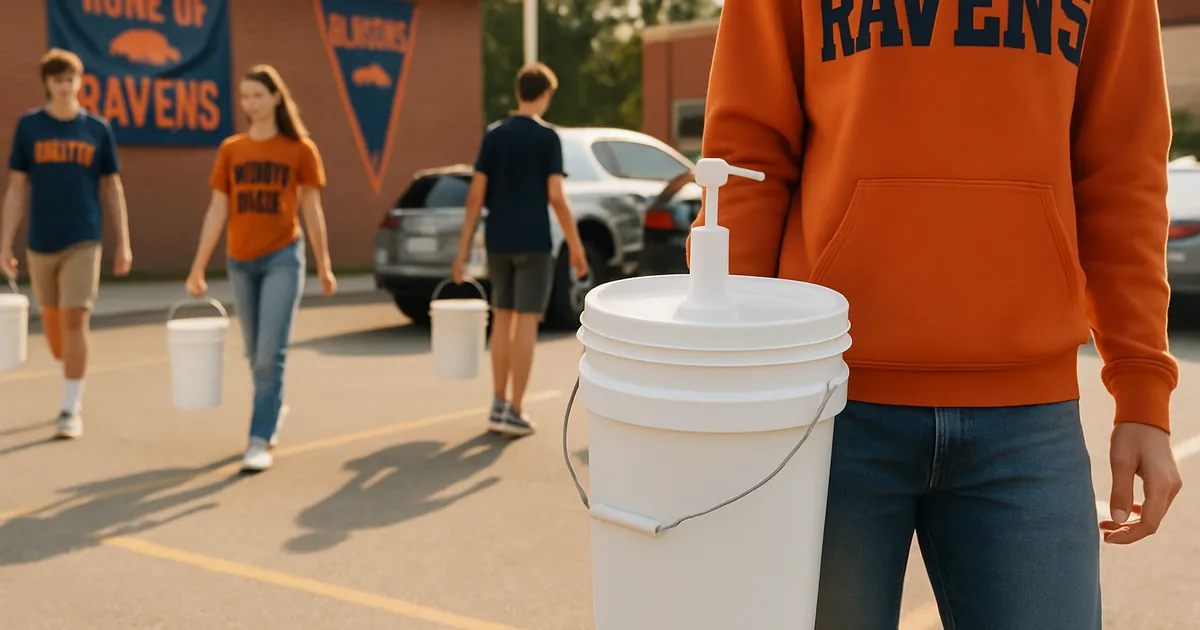
Boosting parent participation in booster fundraising often comes down to removing barriers and making involvement feel manageable. Strategies to test include: hold a clear, energizing kickoff that starts everyone on the same day; choose a fundraiser with a product parents can actually sell without awkwardness; set a short, focused timeline so the ask feels finite; communicate the specific goal and what the money funds; make participation easy with simple tools and clear instructions; recognize effort publicly, not just results; and address the real reasons families opt out — often time, discomfort with selling, or unclear expectations. Participation may improve when parents see the goal as achievable, the product as something their network genuinely wants, and the time commitment as bounded and realistic.
Low participation can limit a booster campaign, but a family’s capacity to help varies. A useful plan identifies barriers, offers manageable roles, and avoids treating sales as a measure of commitment to the team.
Participation is not fixed. Some groups may see stronger turnout by removing the friction that keeps families on the sidelines rather than by finding more motivated parents. When you make it easier to say yes, clearer what success looks like, and less awkward to ask, participation may improve without anyone having to beg.
This guide covers why parents sit out, the specific strategies that get more families involved, how to structure a kickoff that drives early momentum, how to keep participation up through the campaign, and the mistakes that quietly kill turnout before it starts.
- Low participation can reflect friction and unclear expectations, not only lack of interest.
- A clear kickoff is one practical tool for explaining the goal, duties, and timeline.
- Parents may be more willing to sell a product their network genuinely wants than a novelty item.
- A short, focused timeline makes the commitment feel manageable and creates urgency.
- Clear communication about the goal, the timeline, and what the money funds removes ambiguity.
- Recognize contributions with permission, including non-selling help; avoid publishing individual sales without consent.
- Addressing real barriers — time, selling discomfort, logistics — can matter more than motivational speeches.
Why do parents sit out booster fundraisers?
Before you can fix participation, you need to understand why families opt out. The reasons are not always about not caring. Many parents want to support the team or club — they may simply hit a barrier that feels easier to avoid than solve.
Common reasons can include time constraints, discomfort with selling, unclear expectations about what is actually required, a product that feels hard to sell or overpriced, and past frustration with a fundraiser that dragged on too long or felt disorganized. When you hear 'we're just too busy,' what parents often mean is 'this looks like more work than I can take on right now' or 'I don't know how to sell this without annoying people.'
Rather than trying to convince parents they have more time or should care more, a group can redesign the ask so the barriers shrink.
What makes parents more likely to participate?
Participation may improve when three things align: the ask feels manageable, the product feels easy to sell, and the goal feels real and specific. Manageable means a clear, short timeline and simple instructions — not an open-ended commitment. Easy to sell means a product people genuinely want at a fair price, so parents are not pushing something that feels like a favor. A real goal means families know exactly what the money is for and can picture the outcome.
Visible progress may encourage participation, but late starters can still help. Give everyone accessible written instructions and a practical first step. Do not make attendance at a kickoff a condition of involvement.
Finally, parents participate when they trust the process will not waste their time. A well-organized fundraiser with clear communication and a firm end date signals competence. A chaotic one with shifting deadlines and unclear instructions signals the opposite, and families quietly bow out.
How do you structure a kickoff that drives participation?
The kickoff can help set the tone for participation. A strong kickoff does four things: it starts everyone on the same day, it explains the goal and the product in under five minutes, it shows parents exactly what to do first, and it creates visible early momentum so families see that others are participating.
Start with the goal. Be specific: not 'raise money for the team,' but 'raise four thousand dollars to cover travel to regionals and new warmup gear.' Parents need to see the finish line. Then explain the product in plain terms — what it is, why supporters will want it, and what the price and profit are. If you cannot explain it in one minute, it is too complicated to sell.
Next, show them the first action. Hand out materials, demonstrate how to fill out an order form or share a link, and have families commit to one small step before they leave — texting three people that night, for example. The goal is to shrink the gap between 'I should do this' and actually starting.
Share early progress at group level. Obtain permission before naming a family or sharing its sales total, and recognize logistical help as well as orders. Keep the message welcoming to people who have not yet joined.
What product choices increase parent participation?
The product you choose may affect how many parents are willing to sell. Parents may participate more when the product is something their network genuinely wants, when it is priced fairly so buyers feel they are getting value, when it is not perishable or complicated to deliver, and when it is broad enough that most people are potential buyers.
Household necessities are one option if supporters want the product and quantity. A $49.95, 640-fluid-ounce bucket costs about 7.8 cents per fluid ounce before any surcharge. Compare current prices and label dosage; a per-ounce comparison alone does not establish equal cost per load. Survey interest before assuming that a particular product will make parents more comfortable selling.
Novelty items and treats, by contrast, narrow the buyer pool and often feel overpriced, which makes parents hesitant to ask. If a parent would not buy the product themselves at that price, they are unlikely to sell it enthusiastically — and that hesitation shows.
How long should a booster fundraiser run to keep participation high?
GCF recommends a two-to-three-week selling window, followed by about two weeks of fulfillment after the paid order. Other programs may differ. Choose a clear deadline that fits the school calendar; there is no universal campaign length proven to maximize participation.
A firm end date also makes the commitment feel finite. When parents know the ask is 'two weeks of light effort,' not an indefinite obligation, they are more likely to say yes. Communicate the timeline clearly at the kickoff and send reminders at the halfway point and two days before close. Do not extend the deadline unless absolutely necessary; it trains families to ignore future deadlines.
How do you keep participation up during the campaign?
Once the fundraiser is live, your job is to keep families engaged without nagging. The most effective tools are progress updates, public recognition, and gentle reminders tied to the timeline.
Share clearly labeled progress, such as “We have $2,400 toward our $4,000 goal — 60%.” Distinguish collected proceeds from unpaid pledges and projected profit. Use group totals so updates show the funding gap without ranking families.
Recognition should include effort, logistics, and other support, not only sales. Ask permission before naming families or sharing individual results. A group thank-you can acknowledge participation without making families who cannot sell feel exposed.
Reminders should be short, specific, and tied to the timeline. 'One week left — if you haven't started, tonight's a great time to text a few people' is more effective than a generic 'don't forget to sell.' Give parents a concrete next step, not a guilt trip.
What role does communication play in participation?
Clear, consistent communication can support participation. Parents need to know what is expected, when it is due, and what to do if they have questions. Ambiguity can reduce participation because families may default to inaction when they are unsure.
The best communication is front-loaded. Explain everything at the kickoff, then follow up with a written summary the same day so families have a reference. After that, send only essential updates — progress, reminders, and logistics. Over-communication creates noise; under-communication creates confusion. Aim for clarity and brevity.
Make it easy for parents to ask questions. Designate one point of contact and share that person's information clearly. When parents know they can get a fast answer, they are more likely to start rather than wait.
How do you handle families who still do not participate?
Even with a good plan, some families cannot participate. Set your own realistic improvement goal based on past results; a change from 30% to 60% is an illustration, not an expected outcome. Invite help without questioning a family’s commitment or circumstances.
For families on the fence, a personal ask can help. A quick conversation — 'We'd love your help, even if it's just a couple of orders' — often works better than another group email. Keep it low-pressure and specific.
Offer optional non-selling roles, such as communication or pickup help, and voluntary donations where appropriate. Do not tie a student’s fees or benefits to how much the family raises or pays instead: individual fundraising credits can create private-benefit problems. See IRS booster-club guidance.
- Set a clear goal and timeline. Pick a specific dollar amount, explain what it funds, and set a firm two-to-three-week selling window.
- Choose a product parents can sell confidently. Select something with broad appeal, fair pricing, and real value so parents are offering a good deal, not asking a favor.
- Hold a strong kickoff. Gather everyone on the same day, explain the goal and product clearly, and have families commit to one small first action before they leave.
- Communicate clearly and consistently. Send a written summary after the kickoff, then share only essential updates — progress, reminders, and logistics.
- Recognize contributions with permission. Share group progress, thank selling and non-selling helpers, and avoid pressuring families who cannot participate.
- Close firmly and thank everyone. Hold to your end date, collect and deliver promptly, and thank every family who participated, regardless of results.
Common mistakes to avoid
Skipping a real kickoff
A kickoff can be in person, virtual, or a coordinated message. Provide the same clear written instructions to everyone and offer a simple first step; attendance at one meeting should not determine who can help.
Choosing a product that is hard to sell
If parents would not buy it themselves at that price, they will not sell it enthusiastically. Product choice can affect participation.
Leaving the timeline open-ended
Fundraisers without a firm end date lose urgency. A short, clear window keeps families engaged.
Only recognizing top sellers
When only the highest earners get recognition, some participants may feel overlooked. Celebrate effort, not just results.
Over-communicating or under-communicating
Too many messages create noise; too few create confusion. Aim for clear, essential updates only.
Not addressing real barriers
Motivational speeches do not fix logistics problems or selling discomfort. Removing friction can help, though families’ capacity and preferences still vary.
- IRS booster-club guidance — individual fundraising credits and private benefit; keep participation voluntary and review any fee-related arrangement.
- GCF how it works — minimum order, shipping threshold, selling window, paid-order lead time, commercial delivery, and advertised guarantee. Participation and recognition suggestions are editorial advice, not measured effects or guaranteed improvements.
Start your fundraiser Talk to Good Clean Fundraising →
Frequently asked questions
Explain the goal, product, duties, and selling deadline clearly; share written instructions and offer non-selling roles. Recognize contributions with permission and use group-level progress. Ask families about barriers instead of assuming a lack of interest.
Common reasons can include time constraints, discomfort with selling, unclear expectations, a product that feels hard to sell or overpriced, and past frustration with disorganized campaigns. Many parents want to help but may hit a barrier that feels easier to avoid than solve.
Use a meeting, video, or coordinated message to explain the goal, price, payment process, deadline, and first step. Share accessible written instructions with everyone, including families who cannot attend. No single kickoff format guarantees better turnout.
For GCF, plan two to three selling weeks plus about two weeks after the paid order for fulfillment. Choose dates around school commitments and give families clear instructions. A short window may help planning, but it does not guarantee higher proceeds.
The right product depends on what your supporters want at the actual price and quantity. Household necessities, treats, or other products may fit different audiences. Ask about preferences before choosing; product category alone does not establish the highest participation.
Share group-level progress, distinguish collected money from projections, and send brief deadline reminders. Recognize contributions with permission, including non-selling help. Avoid public sales rankings or pressure on families who cannot participate.
No. Thank selling and non-selling helpers, with permission before naming individuals or sharing their results. Group recognition can show appreciation without making participation feel compulsory.
Focus your energy on the movable middle — families who want to help but need barriers lowered — rather than chasing the small group that will not engage. For families on the fence, a personal low-pressure ask can help. For those who genuinely cannot sell, offer an alternative like a direct donation or volunteering.
A kickoff is a useful way to explain the campaign, but it is not the only factor. Product demand, family capacity, accessible instructions, and follow-up also matter. Include families who cannot attend and evaluate what helps your own group.
Parent participation is not only about motivation; friction matters too. When you remove the barriers that keep families on the sidelines, make the ask clear and manageable, and choose a product parents can sell without discomfort, participation may improve. A strong kickoff, a short timeline, and consent-based recognition may help further.