
Band, Performing Arts & Academic Club Fundraising
Band, Arts & Academic Club Fundraising Ideas: The Complete Guide
The fundraising strategies that work for band programs, performing arts groups, and academic clubs — from no-upfront-cost product sales to event-based campaigns that fit tight rehearsal schedules.
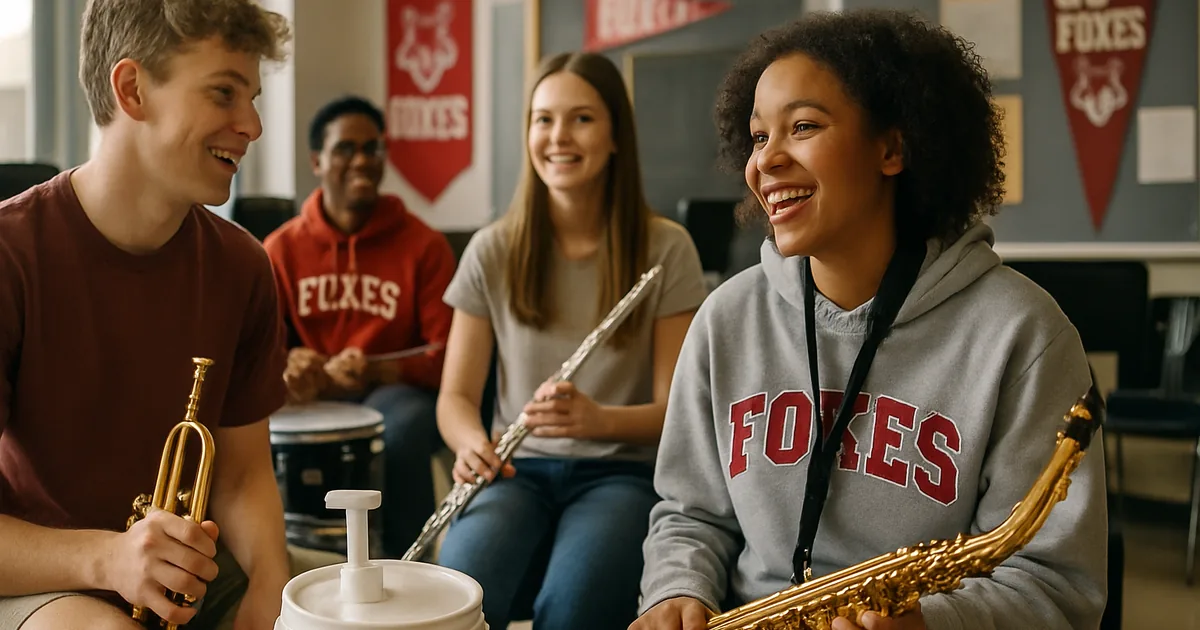
One practical fundraising strategy for band, performing arts, and academic programs is one primary no-upfront-cost product fundraiser combined with one or two events already connected to the group's calendar. Household necessities such as laundry detergent can work particularly well because they appeal to a broad buyer base and avoid perishable-product logistics. A band with 60 families selling four buckets each would sell 240 buckets. At GCF's published $13.45 margin for 100–299 buckets, this illustrative campaign would generate $3,228 before additional group expenses.
Band directors, theater coaches, and academic club advisors face a funding challenge most other groups do not: your students are already stretched thin. Between rehearsals, competitions, performances, and schoolwork, there is not much bandwidth left for elaborate fundraising campaigns. Yet the expenses keep coming — instruments, uniforms, travel, competition fees, set materials, and everything else that makes a program excellent.
The fundraisers that work best for these groups are the ones that raise significant money without consuming the time and energy your students need for their actual work. That means favoring programs with simple logistics, manageable upfront costs, and broad enough appeal that families do not have to become professional salespeople to participate.
This guide covers the full range of fundraising strategies for band programs, performing arts groups, and academic clubs: which product fundraisers deliver the best return with the least disruption, how to run event-based campaigns that leverage your group's talents, hybrid approaches that combine both, what to avoid, and how to choose the right mix for your program's specific needs and schedule.
- Band, arts, and academic programs need fundraisers that raise significant money without consuming rehearsal time or adding logistical complexity.
- Household-necessity presales can appeal to supporters who already buy these products; results depend on demand, pricing, and participation.
- Event-based fundraisers work best when they showcase existing student work rather than requiring separate preparation.
- No-upfront-cost programs reduce advance inventory spending, but groups still need to plan for expenses and delivery responsibilities.
- One practical strategy to consider is one primary product fundraiser plus one or two strategic showcase events per year.
- Students should spend their time on their craft, not constant selling — choose fundraisers that respect that priority.
Why do band, arts, and academic clubs need different fundraising strategies?
The constraint is time, and the stakes are performance quality. A marching band preparing for competition cannot afford to lose rehearsal hours to fundraising logistics. A theater program in tech week cannot manage a complicated delivery day. A robotics team two weeks before nationals does not have bandwidth for door-to-door sales.
These groups also face expenses that hit all at once — instrument repairs before marching season, costumes and set materials in the weeks before opening night, travel and registration fees due months before a competition. That timing mismatch between when you need the money and when you can run a fundraiser creates pressure that cookie dough sales and car washes do not solve.
The programs that work are the ones that generate significant profit without requiring constant student involvement, that have costs and minimum-order requirements your group can manage, and that can run in the background while your students focus on the work that actually matters.
What are the best product fundraisers for band and arts programs?
Product fundraisers fall into three categories, and the differences in results are significant: household necessities, traditional catalog items, and specialty food products. Each category suits different supporters and delivery arrangements.
Household-necessity fundraisers — laundry detergent, cleaning supplies, paper products — reach nearly every household because they sell something people already buy and use up regularly. A family selling detergent can approach grandparents, neighbors, coworkers, and friends who already use these products, which can broaden the potential buyer pool. Program terms vary. GCF requires a 50-bucket minimum and one paid group order after supporter payments are collected. There is no upfront payment to start; shipping charges vary below 100 buckets. Delivery goes to a commercial address, with a loading dock or forklift recommended, and your group organizes pickup. Allow two to three weeks for selling plus approximately two weeks for fulfillment after payment.
Traditional catalog fundraisers — gift wrap, candles, kitchen items — have narrower appeal and often require inventory management. The profit per item can be decent, but buyer fatigue is real, and the logistics of sorting and distributing orders adds work that arts and academic programs rarely have time for.
Specialty food fundraisers — cookie dough, popcorn, candy — have different buyer appeal and storage requirements. Frozen cookie dough requires freezer space and a timed delivery day, which is hard to coordinate around performance schedules. The margin can be reasonable, but demand depends on your supporters and the products offered.
How much can a band or arts program raise with a product fundraiser?
Total dollars raised depends on three variables: how many families participate, how many items each family sells, and the profit per item. The biggest lever is participation, which is why the product matters so much.
With a household-necessity program like Good Clean Fundraising's bulk laundry detergent fundraiser, supporters pay $49.95 per five-gallon bucket; online orders add $2 to the customer price. Groups retain $13.45 per bucket at 100–299 buckets, $14.45 at 300–499, and $15.45 at 500 or more, with free shipping at 100 buckets. A band with 60 participating families averaging four buckets each would sell 240 buckets and retain $3,228 before additional group expenses. This is an illustrative calculation, not a guaranteed result.
Household necessities can reach supporters who already need the product. A parent selling detergent can approach a neighbor, coworker, or grandparent who uses it regularly. A parent selling cookie dough may find a different audience. Compare likely demand and profit after expenses rather than assuming one category will raise more.
What event-based fundraisers work for performing arts and music programs?
Event fundraisers make sense for arts programs when they leverage work students are already doing. A concert you were already rehearsing for, a showcase of scenes from the upcoming production, a demonstration by your robotics team — these require minimal additional preparation and let supporters see what their money funds.
The strongest event formats are: ticketed performances where you add a fundraising component to an existing show; themed showcases like a dessert theater night or a pops concert where the performance is the draw and concessions or raffles add revenue; and demonstration events where academic clubs show their work — a science fair, a chess tournament, a debate showcase — with an admission fee or donation ask.
The logistics matter as much as the concept. A successful fundraising event needs a venue you can use for free or low cost, a realistic estimate of attendance, a clear ticket price or donation target, and enough volunteer help to manage setup, sales, and cleanup without pulling students away from the performance itself. Events that require elaborate setup or that compete with your regular performance schedule tend to underperform because the coordinator work overwhelms the return.
Should you run product fundraisers, events, or both?
One option for band, arts, and academic programs is one primary product fundraiser per year, plus one or two strategic events that fit naturally into your calendar. The product fundraiser can contribute to your funding goal; the events build community and give supporters a tangible connection to your program.
One possible mix: a household-necessity product sale in early fall that has a two-to-three-week selling period outside rehearsal, followed by fulfillment and pickup, plus a ticketed winter concert and a spring showcase or demonstration event. The product sale funds your big-ticket expenses — instruments, travel, competition fees — and the events cover smaller ongoing costs while keeping families engaged.
The mistake is running too many small fundraisers. Five different campaigns throughout the year creates constant asks, volunteer fatigue, and lower participation in each one. Consolidate your effort into fewer campaigns, then compare proceeds and workload before deciding what to repeat.
What fundraising mistakes do band and arts programs make?
The most common mistake is choosing a fundraiser based on what another program did without considering whether your group has the same resources. A theater program with strong parent volunteers might succeed with a gala; a band program with limited help should not attempt it. Match the fundraiser to your actual capacity, not your aspirations.
Other frequent missteps: running fundraisers that require upfront money when your budget is already tight, which creates financial risk if sales fall short; picking products with narrow appeal that cap participation before you reach your goal; scheduling fundraisers during your busiest performance or competition season when no one has bandwidth; and failing to communicate a clear goal and deadline, which lets campaigns drift and momentum fade.
The fix for all of these is the same: choose simple, low-risk programs that run on a tight timeline, communicate the goal and the why clearly at the start, and respect your students' time by keeping fundraising logistics off their plates.
| Factor | Household Necessity | Traditional Catalog | Specialty Food |
|---|---|---|---|
| Buyer breadth | Nearly every household | Some households | Mainly treat buyers |
| Repeat purchase | Regular repurchase | Occasional purchase | Occasional treat |
| Upfront cost | Typically none | Varies by program | May require advance payment |
| Logistics burden | Group delivery & pickup | Sorting & distribution | Timed delivery / storage |
| Profit per item | GCF: $13.45–$15.45 at 100+ buckets; other programs vary | Variable margin | Variable margin |
Common mistakes to avoid
Running too many small fundraisers instead of one strong campaign
Multiple small asks throughout the year create volunteer fatigue and lower participation in each. One well-run product fundraiser plus one or two strategic events can concentrate volunteer effort and reduce repeated requests.
Choosing fundraisers that require upfront inventory investment
Programs with tight budgets cannot afford the financial risk if sales fall short. No-upfront-cost programs reduce the need for advance inventory spending and let you focus on participation instead of inventory management.
Scheduling fundraisers during peak performance or competition season
Launching a campaign during tech week, marching season, or right before nationals can make participation harder. Schedule fundraising during lighter calendar periods when families have bandwidth.
Picking products with narrow buyer appeal
Specialty treats and niche catalog items cap your participation because most families run out of interested buyers quickly. Household necessities can broaden the buyer pool, but sales depend on your supporters.
Failing to communicate a clear goal and deadline
Campaigns without a specific dollar target and firm end date lose momentum and drift. Set both at the kickoff and hold to them.
- National Association for Music Education — advocacy and funding resources for school music programs — source
- Educational Theatre Association — resources for theater program funding and management — source
- Good Clean Fundraising program terms: pricing, profit tiers, and shipping ;minimum order, payment, and delivery process .
Our recommendation for band, arts, and academic programs
If your program needs to raise significant money without consuming rehearsal time or adding logistical complexity, start with a household-necessity product fundraiser. Good Clean Fundraising runs The Good Clean Fundraiser, a bulk laundry-detergent program built specifically for groups that need strong returns with minimal coordinator work: premium detergent in 5-gallon pump buckets that supporters buy at the published price of $49.95 per bucket, with no upfront cost to your program, free shipping on orders of 100 buckets or more, and a dedicated coordinator who helps your group get started so directors and advisors can focus on their students. At the $49.95 price, groups keep $13.45 to $15.45 per bucket at the published tiers for orders of 100 or more. Plan two to three weeks for selling, followed by approximately two weeks for fulfillment after submitting the paid order. Your group will need a commercial delivery address and volunteers to organize supporter pickup.
Frequently asked questions
The best fundraiser for a high school band fits its funding deadline, likely buyers, and volunteer capacity. Household-product presales can work when supporters want the product and adults can manage orders and pickup. Combine a sale with a concert or showcase when the calendar allows, and compare expected proceeds with your actual expenses. GCF selling typically takes two to three weeks, followed by approximately two weeks for fulfillment after payment.
The amount depends on participation, units sold, and the applicable profit tier. For example, 40 participating families selling four buckets each would sell 160 buckets. At GCF's published 100–299 bucket margin of $13.45 per bucket, the group would retain $2,152 before additional group expenses. Shipping is included at this volume. This is an illustrative calculation, not a guaranteed result.
A product sale plus one or two events can work when the group has the volunteers and calendar space for both. The sale can contribute to instruments, travel, or competition fees, while an existing performance can build community and invite additional support. Compare expected proceeds after expenses and avoid overlapping requests to the same families.
Small clubs should choose fundraisers that fit their likely sales and volunteer capacity. GCF requires no upfront payment to start, but has a 50-bucket minimum, variable shipping charges below 100 buckets, and group-organized pickup. Confirm buyer interest and delivery arrangements before launching. If those requirements do not fit, consider a local sponsorship or a donation appeal tied to a specific club expense.
Assign adult volunteers to orders, payments, and pickup so fundraising stays outside rehearsal. Choose a lighter two-to-three-week selling window, then allow approximately two weeks for fulfillment after submitting the paid group order. Arrange a commercial delivery address and supporter pickup in advance, and confirm timing with your coordinator.
One mistake is scheduling more campaigns than volunteers can manage. Frequent requests can create fatigue, so compare the expected proceeds and workload of each activity before setting the calendar. Also check upfront costs, minimum orders, and distribution requirements against the group's budget and available help.
Results depend on the group and its supporters. Detergent is a repeat-use household product, but a five-gallon bucket will not suit every buyer. Cookie dough and catalog products may appeal to different audiences. Compare expected sales, profit after expenses, supplier terms, storage, and distribution before choosing.
Give them a product that is easy to sell, a clear goal and deadline, and minimal logistical burden. Participation rises when the product is something supporters actually want — a household staple at a good price rather than an overpriced novelty — and when the ask is simple and time-bound. A strong kickoff that explains the why, a two-to-three-week selling window, and a couple of friendly reminders will drive more participation than a vague open-ended campaign with a complicated product.
Band programs, performing arts groups, and academic clubs do not have time for fundraisers that consume rehearsal hours or create logistical chaos. The programs that work are the ones that raise significant money in the background while students focus on their craft — and one option is a household-necessity product sale that reaches a wide buyer pool, requires no upfront payment to start, with a two-to-three-week selling period followed by fulfillment and group distribution. Keep it simple, consolidate your effort, and let your students spend their time on what actually matters.