
Band, Performing Arts & Academic Club Fundraising
Orchestra Fundraising Ideas That Actually Work
Practical fundraising strategies for school and community orchestras — from product programs that reach beyond music families to events that showcase your ensemble.
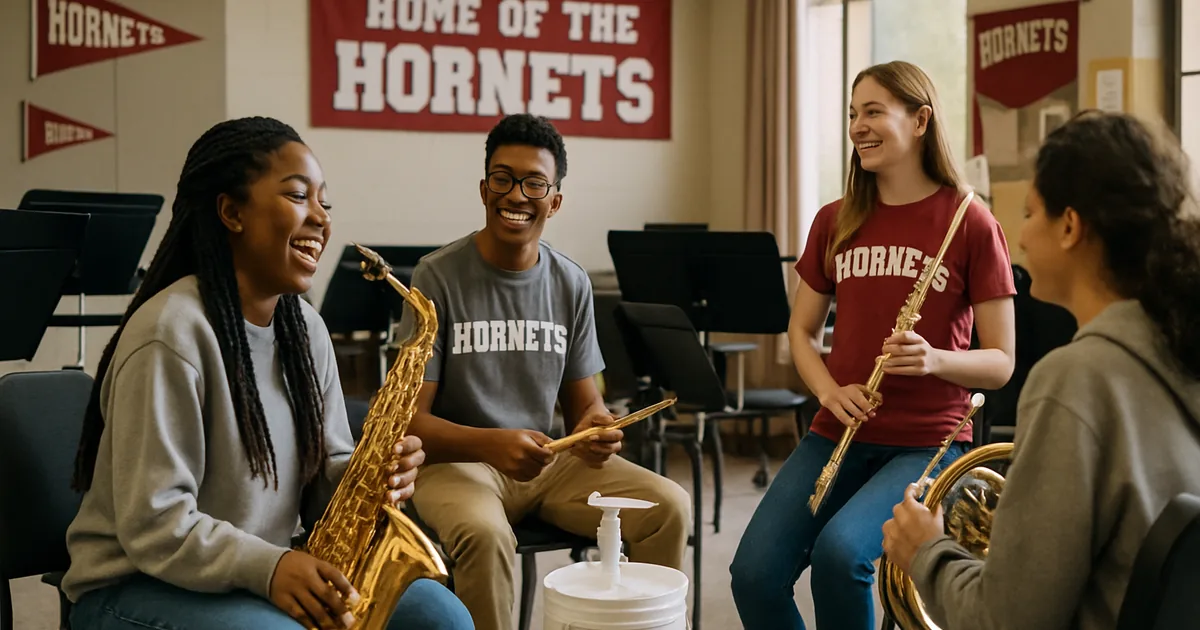
The most effective orchestra fundraisers fall into three categories: product programs that reach a wide buyer base beyond just music families, performance-based events that leverage your ensemble's talent while raising funds, and hybrid approaches that combine both. Household products may reach interested buyers beyond current families; compare demand, price, and pickup needs with other options. Performance fundraisers work best when they create a unique experience people will pay for, such as a dinner concert, holiday performance series, or collaborative event with other arts groups. The key is matching the fundraiser to your orchestra's capacity: a youth orchestra with active parent volunteers can handle a product campaign alongside rehearsals, while a community ensemble with limited volunteer bandwidth may do better with a single well-promoted ticketed event. Avoid fundraisers that require your musicians to sell during rehearsal time or that ask supporters to buy overpriced novelty items with thin margins.
Orchestra programs sit in a particular fundraising spot: you need serious money for instruments, sheet music, travel, and guest artists, but your volunteer base is often smaller and busier than a sports booster club, and your supporters care deeply about music but may not have deep pockets. The fundraisers that work are the ones that respect both constraints — they reach beyond your core families and they do not add a second job to an already packed rehearsal schedule.
The good news is that orchestras have advantages other groups do not. You have a built-in audience for performance events, a reputation for discipline and excellence that makes people want to support you, and families who understand the value of what you are doing. The trick is choosing fundraisers that leverage those strengths without requiring your musicians to become door-to-door salespeople or your director to become a full-time event planner.
This guide covers the fundraising ideas that consistently work for school and community orchestras: which product programs reach the widest base, how to run performance fundraisers that people will actually pay for, hybrid models that combine both, what to avoid, and how to pick the right approach for your ensemble's size and volunteer capacity.
- Product fundraisers that sell household necessities reach far more buyers than music-themed novelty items.
- Compare expected receipts with supplies, venue costs, and volunteer hours before choosing an event; an event can be a primary or supplementary fundraiser if its budget supports the goal.
- The most successful orchestra fundraisers match the program to your volunteer capacity, not your ambition.
- Use paid orders and actual expenses to compare results; broader outreach alone does not establish a higher total.
- Avoid fundraisers that pull musicians out of rehearsal or ask them to sell during class time.
- Community orchestras often do better with fewer, higher-value events than constant small asks.
What product fundraisers work best for orchestras?
Household products may reach interested buyers beyond current families; compare demand, price, and pickup needs with other options. That means stepping away from the traditional catalog of music-themed items — logo merchandise, cookie dough tubs with a treble clef on the lid — and toward consumable products people already buy. Household products may reach interested buyers beyond current families; compare demand, price, and pickup needs with other options.
Household products may reach interested buyers beyond current families; compare demand, price, and pickup needs with other options. Compare GCF’s $49.95 bucket price and product specifications with current alternatives before promising savings. There is no upfront cost, no perishable product, no freezer logistics, and no asking people to buy something they do not need. It is a necessity product at a genuinely good price, which makes it easy to sell and removes the guilt factor that comes with overpriced fundraiser items.
Other strong product options include discount cards for local businesses, reusable items like water bottles or tote bags if your community has a sustainability focus, and seasonal practical goods. The key test: if your product appeals only to people who already love orchestras, your buyer pool is too narrow.
What performance-based fundraisers raise the most?
Performance fundraisers work when they offer something people will pay for beyond a standard concert. Compare expected receipts with supplies, venue costs, and volunteer hours before choosing an event; an event can be a primary or supplementary fundraiser if its budget supports the goal.
Dinner concerts and dessert performances are reliable earners for orchestras with access to a venue that can handle food service. Ticket prices can run higher than a standard concert, and the format appeals to donors who want to support the program but may not sit through a full Mahler symphony. Keep the performance portion to 45 to 60 minutes, choose accessible repertoire, and price tickets to cover the meal cost plus a meaningful profit margin.
Holiday concerts — particularly a December pops program or a Valentine's-themed chamber evening — draw audiences who do not attend your regular season. If your orchestra can handle a two- or three-night run, the incremental cost is low and the total revenue can match or exceed a product fundraiser. Promote early, offer reserved seating at a premium, and consider a livestream option for distant family members.
House concerts and salon performances work particularly well for chamber groups within your orchestra. A donor or board member hosts, you perform in their living room for 30 to 50 guests, tickets run higher than a public concert, and the intimate setting creates a memorable experience. These require less logistical overhead than a large venue event and often attract donors who want a personal connection to the musicians.
Should orchestras run hybrid fundraisers?
Use paid orders and actual expenses to compare results; broader outreach alone does not establish a higher total. The structure is straightforward: run a two-to-three-week product fundraiser in the fall, then follow it with a ticketed holiday concert in December. Each effort reaches different supporters, and the two campaigns together often pull in families who would not have participated in just one.
The product sale reaches the wide base — coworkers, neighbors, extended family — while the performance event draws your core audience and local community members who want to attend a concert. Done well, a hybrid approach can double your annual fundraising total compared to a single campaign. Done poorly, it exhausts your volunteers and neither effort gets the attention it needs.
If you are considering a hybrid model, the key is spacing and delegation. Run the product sale first, close it completely, deliver the product, and then shift focus to the performance event. Do not try to sell detergent buckets in the lobby at intermission. Assign different volunteer leads to each campaign so one person is not managing both, and make sure your director is not the one doing the logistics for either.
What fundraisers should orchestras avoid?
Avoid fundraisers that pull musicians out of rehearsal or ask them to sell during school hours. Your rehearsal time is limited and sacred, and any fundraiser that cuts into it will hurt your performance quality and frustrate your musicians. If a program requires students to leave class to collect money or deliver product, it is the wrong program.
Skip novelty product catalogs with music-themed items. The profit margins are often thin, the buyer pool is narrow, and families end up pushing overpriced items nobody really wants. A $15 decorative music-note mug does not raise much and it does not give the buyer real value, which makes the whole transaction feel like a favor rather than a fair exchange.
Be cautious with restaurant fundraiser nights and percentage-of-sales partnerships. These can work as small supplemental efforts, but they rarely raise serious money and they require significant promotion for a modest return. Compare expected receipts with supplies, venue costs, and volunteer hours before choosing an event; an event can be a primary or supplementary fundraiser if its budget supports the goal.
Do not run fundraisers that require your director to become the primary organizer. Directors should be conducting, not managing logistics. If a fundraiser does not come with a dedicated coordinator or a clear volunteer lead, it is going to fall on the director, and that is not sustainable.
How do you choose the right fundraiser for your orchestra?
Start by assessing your volunteer capacity honestly. If you have a strong parent booster group with time to organize, a product fundraiser or a hybrid model is realistic. One main campaign plus a supplementary event or sponsor appeal is an option when the budget and volunteer capacity justify both; there is no universally best campaign count. The most common mistake orchestras make is choosing a fundraiser that matches their ambition rather than their capacity.
Next, consider your audience and community. Use paid orders and actual expenses to compare results; broader outreach alone does not establish a higher total. Match the fundraiser to the people you can actually reach.
Finally, look at your calendar and your budget needs. If you need funds by October for a November competition trip, a product sale is faster than planning a December concert. If you are raising money for instruments that will be purchased in the spring, you have time to plan a more complex event. Work backward from your deadline and choose a fundraiser that fits the timeline.
| Factor | Product Fundraiser | Performance Event |
|---|---|---|
| Buyer reach | Interested buyers | Promoted audience |
| Volunteer time | Orders and distribution | Planning and staffing |
| Profit potential | Sales margin less costs | Receipts less costs |
| Rehearsal impact | Schedule outside rehearsal | Rehearsal may be needed |
| Repeatability | Depends on demand | Depends on audience |
Common mistakes to avoid
Choosing fundraisers that require musicians to sell during rehearsal
Rehearsal time is limited and cutting into it for fundraising hurts performance quality and frustrates your musicians. Pick fundraisers that happen outside of rehearsal.
Running too many small fundraisers instead of fewer strong ones
Volunteer fatigue and donor fatigue are real. One main campaign plus a supplementary event or sponsor appeal is an option when the budget and volunteer capacity justify both; there is no universally best campaign count.
Selling overpriced novelty items with thin margins
Music-themed catalogs and decorative items appeal to a narrow buyer pool and often carry low profit. Household products may reach interested buyers beyond current families; compare demand, price, and pickup needs with other options.
Underpricing performance event tickets
If your ticket price barely covers costs, you are not fundraising, you are breaking even. Price tickets to include a meaningful profit margin or do not call it a fundraiser.
Letting the fundraiser fall entirely on the director
Directors should conduct, not coordinate logistics. Every fundraiser needs a dedicated volunteer lead or program coordinator, or it will not get done well.
- Good Clean Fundraising program terms — pricing, margins, and shipping; ordering, payment, delivery, and fulfillment.
- National Association for Music Education (NAfME) — advocacy and resources for music education programs including fundraising guidance for school ensembles — source
- Planning method: use current quotes and confirmed commitments. Examples are illustrative. “Best” and “most profitable” describe planning recommendations, not measured category rankings.
Our recommendation
If your orchestra needs to raise serious money without adding a second job to your director's plate, start with a household-necessity product fundraiser and follow it with one well-executed performance event. GCF supporters pay $49.95 per five-gallon bucket; online orders add a $2 customer surcharge. Group margins are $13.45 at 100–299 buckets, $14.45 at 300–499, and $15.45 at 500 or more, before additional group expenses. The minimum order is 50 buckets. Shipping is free at 100 or more; request a shipping quote below 100. Collect supporter orders and payments before submitting the paid group order. A coordinator helps you get started; your group reconciles orders and arranges commercial delivery and supporter pickup, with a dock or forklift recommended. Allow two to three selling weeks plus about two weeks for fulfillment after payment, and time for setup and pickup.
Frequently asked questions
The best fundraiser for a school orchestra is one that reaches a wide buyer base without pulling musicians out of rehearsal. Household products may reach interested buyers beyond current families; compare demand, price, and pickup needs with other options. Pair a product sale with a ticketed performance event for maximum impact.
Illustrative GCF calculation: 20 participating families × 10 buckets = 200 buckets × $13.45 = $2,690 before additional group expenses. These are planning assumptions, not an average result.
The strongest approach is both, spaced apart. A product fundraiser in the fall reaches a wide base of supporters, while a ticketed performance event in winter or spring draws your core audience and local community. Use paid orders and actual expenses to compare results; broader outreach alone does not establish a higher total. If you can only do one, choose based on your volunteer capacity: product sales need order coordination, performance events need promotion and logistics.
Dinner concerts, holiday pops series, and chamber music house concerts raise the most because they offer a unique experience people will pay for. Compare expected receipts with supplies, venue costs, and volunteer hours before choosing an event; an event can be a primary or supplementary fundraiser if its budget supports the goal.
Make it easy and make it worth their time. Families participate when the product is something people actually want, when the selling window is short and focused, and when they are not being asked to sell during rehearsal or school hours. Compare GCF’s $49.95 bucket price and product specifications with current alternatives before promising savings.
Avoid fundraisers that cut into rehearsal time, require musicians to sell during school hours, or push overpriced novelty items with thin margins. Also skip restaurant percentage nights and small constant asks that create donor fatigue. One main campaign plus a supplementary event or sponsor appeal is an option when the budget and volunteer capacity justify both; there is no universally best campaign count.
Product fundraisers should run two to three weeks — long enough for families to reach their networks but short enough to maintain urgency. Performance event promotion should start six to eight weeks out. For GCF, plan two to three weeks of selling, followed by about two weeks for fulfillment after payment, plus setup and pickup time.
Yes, but community orchestras often have less volunteer capacity and a smaller family base, so they tend to do better with fewer, higher-value efforts. Compare expected receipts with supplies, venue costs, and volunteer hours before choosing an event; an event can be a primary or supplementary fundraiser if its budget supports the goal. Match the fundraiser to your actual volunteer bandwidth, not your ambition.
GCF supporters pay $49.95 per five-gallon bucket; online orders add a $2 customer surcharge. Group margins are $13.45 at 100–299 buckets, $14.45 at 300–499, and $15.45 at 500 or more, before additional group expenses. The minimum order is 50 buckets. Shipping is free at 100 or more; request a shipping quote below 100. Collect supporter orders and payments before submitting the paid group order. A coordinator helps you get started; your group reconciles orders and arranges commercial delivery and supporter pickup, with a dock or forklift recommended. Allow two to three selling weeks plus about two weeks for fulfillment after payment, and time for setup and pickup.
Orchestra fundraising works when you match the program to your capacity and your audience. Use paid orders and actual expenses to compare results; broader outreach alone does not establish a higher total. Keep it simple, respect your rehearsal time, and give people something worth buying or attending. That is the whole playbook.