
Booster Club Fundraising
Band Booster Club Fundraising Ideas That Actually Work
The fundraising ideas that raise the most for band programs — from necessity products and no-upfront-cost options to events that build community and keep parents engaged.
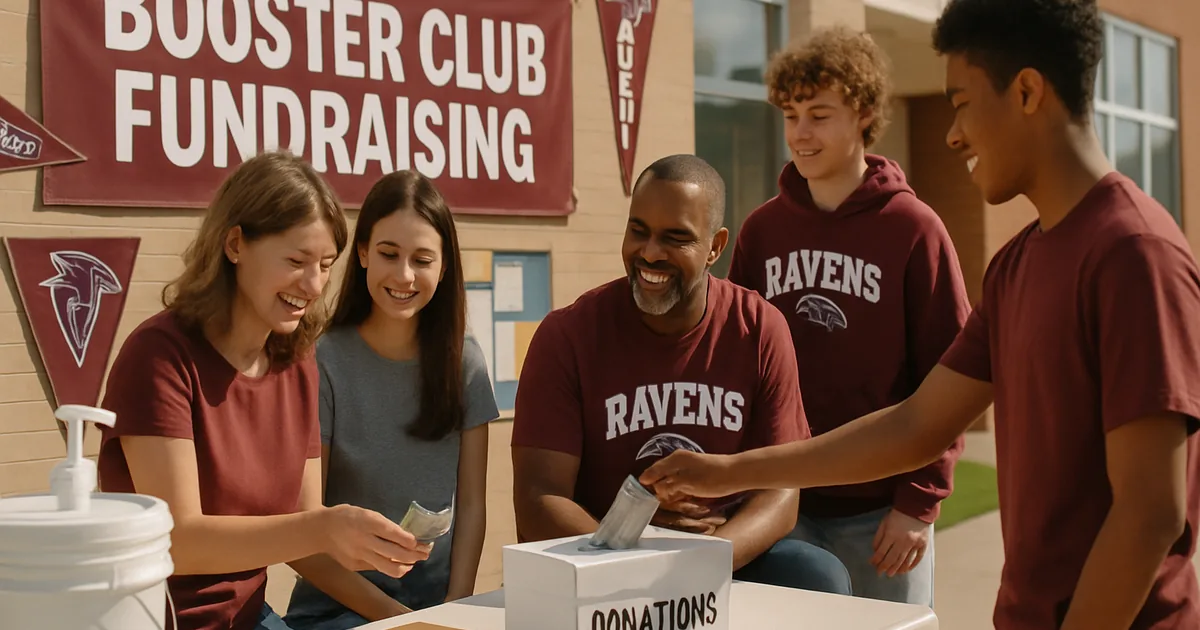
For band booster clubs, compare products and events on likely demand, net proceeds, and volunteer capacity. Household necessities such as bulk detergent are one option for supporters who want the product and have space for it; they are not a proven winner over treats or events. Pre-orders reduce advance-inventory exposure but still require payment tracking, minimum-order planning, and delivery work. Mattress sales, restaurant nights, and instrument sponsorships can supplement a main campaign. Choose the mix around your band’s expense calendar and actual supporter interest.
Band booster clubs face a unique fundraising challenge: the costs are high, the expenses are year-round, and the parent base is often stretched thin across multiple kids and activities. A single season can demand new uniforms, instrument repairs, competition travel, and a dozen smaller line items that add up fast. The fundraisers that work are the ones that raise serious money without requiring a small army of volunteers or a financial gamble upfront.
Traditional band fundraisers can be either high-effort events that strain your core volunteers or low-margin product sales where families may exhaust their buyer pool. Cookie dough and candy bars reach only the people who want a treat; car washes and bake sales require all-hands-on-deck coordination for modest returns. What works better are fundraisers built around products people already buy, programs with no upfront cost, and a structure that lets busy band parents participate without it becoming a second job.
This guide covers the fundraising ideas to compare for band boosters: how necessity products compare with novelty items, which no-upfront-cost programs reduce advance-inventory exposure, how to layer a core annual fundraiser with targeted events, and the mistakes that quietly cost booster clubs money every season.
- Household necessities may appeal to supporters outside band families; check demand and budget before assuming wider participation.
- No-upfront-cost programs reduce advance-inventory exposure, which matters when band budgets are unpredictable and volunteer capacity is limited.
- Assign responsibilities for a core annual campaign; use events where your volunteer capacity and budget support them.
- Supporters are more willing to buy when they receive genuine value rather than paying a premium for a novelty item.
- One option for band boosters is to layer one reliable necessity fundraiser with one or two community-building events per year.
- Participation may improve when the product is easy to sell and the logistics do not fall entirely on a few overworked parents.
Why do traditional band fundraisers often underperform?
Many band boosters cycle through the same handful of fundraisers — cookie dough, candy bars, popcorn, car washes, bake sales — and wonder why the totals fall short. The cause is not always effort; it can be structure. Traditional fundraisers can fall short on one of three fronts: they appeal to a narrow buyer pool, they require intense volunteer coordination, or they carry financial risk if the campaign underperforms.
Cookie dough and candy only reach people who want a treat, so families run out of buyers after hitting their immediate circle. Car washes and bake sales can raise decent money, but they demand all-day volunteer shifts and depend heavily on weather and foot traffic. Some catalog programs require advance inventory purchases, which becomes a real problem if participation is lower than expected; others take pre-orders, which reduce that exposure but still need payment tracking. When a fundraiser checks even one of those boxes, it can limit how much the group raises.
What are the best product fundraisers for band booster clubs?
Product fundraisers worth comparing share three traits: they interest your supporters, they offer supporters real value, and they are simple enough to run without consuming all your volunteer hours. Here are options to evaluate.
Household-necessity fundraisers: the standout category
Laundry detergent, cleaning supplies, and similar staples are alternatives to treat fundraisers when supporters want them. Detergent avoids freezer storage, but bulk handling and pickup still need planning. A $49.95, 640-fluid-ounce bucket costs about 7.8 cents per fluid ounce before any surcharge. Compare current prices and label dosage; a per-ounce comparison alone does not establish equal cost per load. Repeat only when buyers are ready to reorder.
Good Clean Fundraising runs a bulk laundry-detergent program that band boosters can consider. At the published $49.95 price (online orders add $2), GCF lists $13.45 per bucket for 100–299, $14.45 for 300–499, and $15.45 for 500+, before additional group expenses. Collect orders and supporter payments, then submit one paid group order. The minimum is 50 buckets; shipping is free at 100+, with shipping charges below 100. Allow two to three weeks for selling plus about two weeks after the paid order for fulfillment. Arrange a commercial delivery address and a volunteer pickup team; a loading dock or forklift is recommended. Coordinator support helps with questions and planning; club volunteers still handle orders, payments, and distribution.
Other strong product options for band boosters
Beyond detergent, a few other product categories work well for band programs. Discount cards that offer savings at local restaurants and businesses can be easy sells if your community has strong merchant participation, though profit depends on how many families actually use them. Reusable bags, water bottles, and spirit wear with the band logo build program identity and work well as add-ons to a larger campaign, but most are one-time purchases so they score lower on repeat revenue. Coffee and snack fundraisers can carry decent margins, but they appeal mainly to people who want those specific items rather than a broad household base.
What are the best event fundraisers for band booster clubs?
Event fundraisers can work well as supplements to a core product campaign, especially when they double as community-building opportunities. The key is choosing events that do not require your entire volunteer base to pull off.
Mattress fundraisers
A mattress fundraiser brings a vendor to your school for a sale, and the booster club receives the agreed commission. Some vendors offer no-inventory-purchase arrangements and handle delivery, but confirm commissions, fees, cancellations, venue duties, and insurance in writing. Success depends on demand and promotion beyond band families.
Restaurant fundraiser nights
Partner with a local restaurant that donates a share of sales on a designated night when supporters mention the band. These are low-effort for volunteers and work well as regular monthly events. The profit share is usually modest, but they build community and give families an easy way to support the program without asking them to sell anything.
Instrument and uniform sponsorships
Offer local businesses or alumni the opportunity to sponsor a specific instrument, uniform, or trip in exchange for recognition at concerts and on the band website. This works best when you have a clear, tangible need and a strong alumni network or local business community. It is not a mass-participation fundraiser, but it can cover big-ticket expenses that product sales alone would not reach.
Concerts and showcases with admission or concessions
Hosting a ticketed concert or adding a concession stand to an existing performance turns an event you are already running into a fundraiser. Margins are not huge, but the incremental revenue adds up over a season, and it requires minimal additional volunteer time if you already have a performance schedule.
How should band boosters structure their annual fundraising calendar?
One planning option is a core product fundraiser plus one or two smaller events for community engagement or specific expenses. Assign volunteer roles for sales, payments, and delivery. Compare the projected net proceeds with the band’s budget before relying on this mix as your annual foundation.
Layer in one or two events per year that serve a secondary purpose beyond just raising money: a restaurant night that gets families together, a mattress sale that reaches the broader community, or a concert concession stand that turns an existing event into revenue. The mistake most boosters make is running four or five different fundraisers per year, each requiring its own volunteer coordination and promotion. That spreads your parent base too thin and can create more coordination work than one focused campaign.
What makes a fundraiser easy for busy band parents to support?
Band parents are often juggling work, multiple kids, and other activities. Keep the pitch clear: explain the product, price, purpose, and pickup plan without promising savings you have not verified. Offer non-selling roles for parents whose schedules or networks make selling difficult.
Logistics matter just as much. GCF requires supporter payments to be collected before the club submits its paid order. Assign a team to track orders, reconcile payments, arrange commercial delivery, and distribute purchases. Clear roles make the commitment easier to assess.
| Factor | Traditional Fundraiser | Household Necessity |
|---|---|---|
| Buyer pool | Product-specific demand | Bulk-product demand |
| Volunteer time | Collection and delivery | Collection and bulk pickup |
| Financial risk | Vendor terms vary | No-upfront-cost options |
| Supporter value | Compare price and quantity | Compare price and dosage |
| Repeat participation | Repeat demand varies | Repeat demand varies |
Common mistakes to avoid
Running too many different fundraisers per year
Spreading volunteer energy across four or five campaigns can stretch volunteer capacity. Pick a core fundraiser and stick with it.
Choosing fundraisers that require upfront money
When the booster club has to buy inventory before collecting orders, you are taking on financial risk. No-upfront-cost programs reduce advance-inventory exposure.
Relying on high-effort events as your primary revenue source
Car washes, bake sales, and similar events can supplement a core campaign, but they can demand significant volunteer time, so compare their net proceeds with your budget before relying on them as your main fundraiser.
Not offering supporters genuine value
People are more willing to buy when they get something useful at a fair price rather than paying a premium for a novelty item. Value drives repeat participation.
Failing to communicate the specific need
Supporters give more when they know exactly what the money is for — new instruments, competition travel, uniforms. Vague asks raise less.
- GCF pricing — published price, online surcharge, and order-volume margins; figures are before additional group expenses.
- GCF how it works — minimum order, shipping threshold, selling window, paid-order lead time, commercial delivery, and advertised guarantee.
- The scheduling and participation suggestions are editorial planning advice, not measured comparisons or promises of increased revenue. Test them against your own campaign records and volunteer availability.
Our recommendation for band booster clubs
If your band booster club needs a repeatable campaign, consider a household-necessity product alongside your event and sponsorship options. At the published $49.95 price (online orders add $2), GCF lists $13.45 per bucket for 100–299, $14.45 for 300–499, and $15.45 for 500+, before additional group expenses. Collect orders and supporter payments, then submit one paid group order. The minimum is 50 buckets; shipping is free at 100+, with shipping charges below 100. Allow two to three weeks for selling plus about two weeks after the paid order for fulfillment. Arrange a commercial delivery address and a volunteer pickup team; a loading dock or forklift is recommended. GCF advertises a 100% money-back guarantee: GCF refunds a dissatisfied supporter directly, and the group keeps its earned profit. Ask GCF about return costs and refund procedures for your campaign after registration. Repeat only when supporters are ready to reorder and volunteers have capacity.
Frequently asked questions
The best choice depends on your band’s audience, expenses, and volunteers. A household-necessity campaign is worth considering when supporters want bulk detergent, can afford the purchase, and can collect it. Compare its projected net proceeds with events and sponsorships; no category is universally best.
Use your expected units and the correct order tier. For illustration, 40 families averaging 6 buckets sell 240; at GCF’s $13.45 tier, that retains $3,228 before other group expenses. At the published $49.95 price (online orders add $2), GCF lists $13.45 per bucket for 100–299, $14.45 for 300–499, and $15.45 for 500+, before additional group expenses.
Options include pre-order product programs, some mattress-vendor arrangements, restaurant nights, and sponsorships. Confirm fees and obligations for each. With GCF, collect supporter payments before the paid group order; the minimum is 50 buckets and shipping is free at 100+. No payment to start does not mean no possible costs.
One planning option is a core campaign plus one or two smaller events. Choose the number using your actual budget, demand, and volunteers; no campaign count is proven best for every band.
Traditional programs can fall short when demand, costs, or volunteer duties were estimated poorly. Treat and catalog terms vary, including pre-order and inventory-purchase options. Review your own results before assuming a household-necessity program will perform better.
The least demanding choice depends on the volunteers and provider. A vendor may supply materials and advice, but a GCF campaign still needs group order tracking, payment reconciliation, a commercial delivery address, and pickup volunteers. A direct-fulfillment vendor or donation campaign may involve different duties.
They can work when there is local demand and favorable vendor terms. Confirm commissions, fees, cancellations, delivery, venue duties, and insurance in writing. Promotion and event-day responsibilities vary by vendor.
Participation may improve when the product is easy to sell, the logistics are simple, and supporters get genuine value. A household staple people were going to buy anyway is easier to pitch than an overpriced novelty item, and a clear deadline with a couple of reminders keeps families engaged.
At the published $49.95 price (online orders add $2), GCF lists $13.45 per bucket for 100–299, $14.45 for 300–499, and $15.45 for 500+, before additional group expenses. Collect orders and supporter payments, then submit one paid group order. The minimum is 50 buckets; shipping is free at 100+, with shipping charges below 100. Allow two to three weeks for selling plus about two weeks after the paid order for fulfillment. Arrange a commercial delivery address and a volunteer pickup team; a loading dock or forklift is recommended. GCF advertises a 100% money-back guarantee: GCF refunds a dissatisfied supporter directly, and the group keeps its earned profit. Ask GCF about return costs and refund procedures for your campaign after registration.
Consider a repeatable main campaign if it meets your budget and fits supporter demand. Layer in one or two community events per year, keep the logistics simple, and give supporters genuine value — compare that structure with your instrument, travel, and uniform budget.