
Fundraising Glossary & Definitions
What Is Fundraiser Profit Margin?
Understanding the share your group keeps from each sale — and why it matters less than you think.
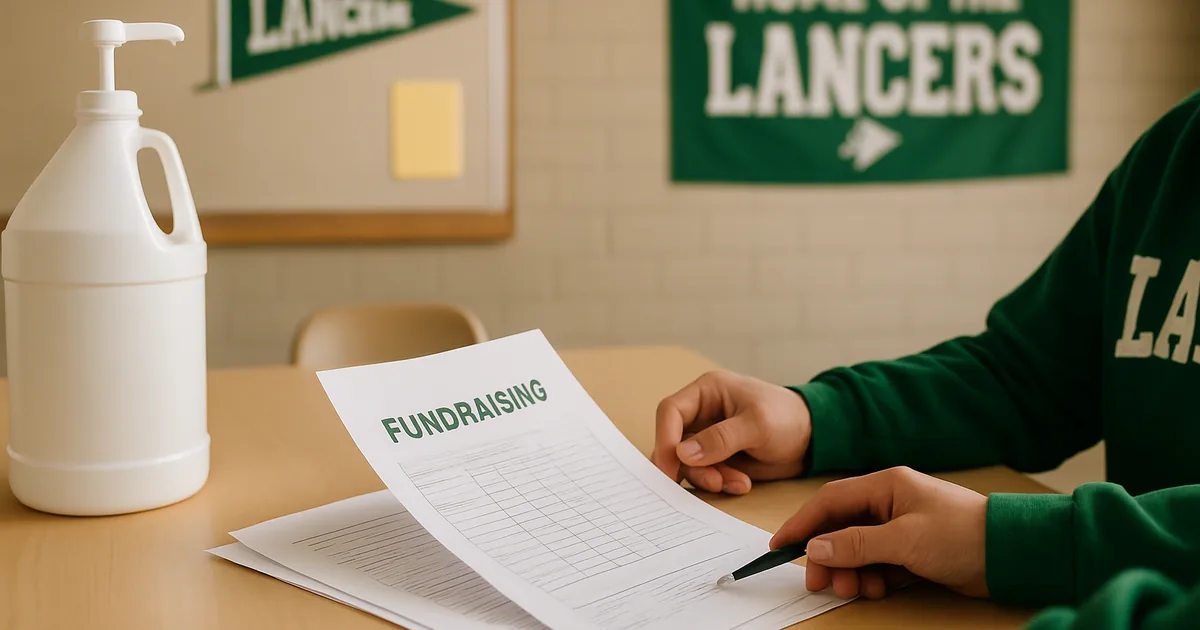
Fundraiser profit margin is the portion of each sale your group keeps after the product cost, shipping, and any other fees are deducted. It is usually expressed as a dollar amount per item rather than a fixed rate, because costs change with order volume and the product sold. A higher margin sounds better, but total dollars raised depends more on how many people participate and how many items each person sells — a necessity product with a moderate per-item profit and wide participation almost always raises more than a high-margin novelty that only a few families can sell. When evaluating a fundraiser, look at the actual dollar amount your group keeps per unit, whether there is any upfront cost, and whether the product appeals to enough buyers to drive real participation.
Fundraiser profit margin is one of the first questions every coordinator asks — and one of the most misunderstood. It sounds like the number that decides how much you raise, but in practice it is only one piece of a bigger equation.
The real story is that total dollars raised equals participants times average sales per person times profit per item. A fundraiser with a sky-high margin on a product nobody wants will lose to a moderate-margin necessity that every family can sell. The margin matters, but participation and buyer appeal matter more.
This guide defines profit margin in plain terms, explains what drives it, shows how it fits into the bigger fundraising picture, walks through the trade-offs between margin and ease of selling, and gives you a framework for choosing a fundraiser that actually raises more — not just one that looks good on paper.
- Profit margin is the portion of each sale your group keeps after product cost, shipping, and fees are deducted.
- It is usually expressed as a dollar amount per item, not a fixed rate, because costs vary by order size and product.
- Total raised depends more on participation and sales per person than on margin alone.
- A high-margin product that few people can sell raises less than a moderate-margin necessity with wide participation.
- When comparing fundraisers, look at the actual dollars per unit your group keeps, not vague claims or percentages without context.
- No-upfront-cost programs protect your group if participation comes in lower than hoped.
- The best margin is the one attached to a product people actually want to buy.
What does fundraiser profit margin mean?
Fundraiser profit margin is the amount your group keeps from each sale after the cost of the product, shipping, and any program fees are subtracted. If a supporter buys an item for about $50 and your group keeps about $15, that $15 is your margin on that sale. Formally, profit margin is usually stated as a percentage of the selling price ($15 on a $50 sale is 30 percent), but fundraising programs more often quote dollars per unit, which is why this guide focuses on dollars.
Most programs express margin as a dollar amount per unit rather than a fixed rate, because the group's cost often drops as the order grows — bulk pricing and free-shipping thresholds mean the margin on the hundredth item is usually higher than the margin on the tenth. That is why responsible fundraising companies talk in per-unit dollar ranges tied to order volume, not blanket claims.
The term gets confused with gross profit, net profit, and markup, but for a school or team fundraiser the practical definition is simple: it is what you deposit in the account per item sold.
What factors determine your fundraiser profit margin?
Several variables shape the margin, and most of them are set by the fundraising company before you ever sign up. The product cost is the biggest factor — a bulk household staple produced at scale costs less per unit than a specialty novelty item, which leaves more room for group profit. Shipping and handling come next: programs that offer free shipping above a certain order size effectively raise your margin on larger campaigns, while programs that charge per box or per delivery eat into it.
Order volume matters because many companies use tiered pricing — the per-unit cost to your group drops as the order grows, so a campaign that sells more units keeps more per unit. The selling price also plays a role, though most programs set a recommended price; groups that choose to sell above that price keep the extra as additional margin.
Finally, program structure decides whether you pay upfront for inventory or collect orders first. Upfront programs often promise a higher margin because the company gets paid regardless of what you sell, but they also shift the financial risk onto your group. No-upfront-cost programs typically offer a slightly lower per-unit margin in exchange for removing that inventory risk.
How does profit margin fit into total dollars raised?
Here is the part most coordinators miss: margin is only one term in the equation. Total dollars raised equals the number of participants times the average number of items each person sells times the profit per item. A fundraiser with a great margin but weak participation raises less than a moderate-margin program where everyone can sell.
The practical example: imagine two fundraisers. Program A sells a novelty item with about $18 profit per unit, but only a third of families participate because the product is niche and buyers are hard to find. Program B sells a household necessity with about $14 profit per unit, but nearly every family participates because the product is something people already buy. Program B raises more, even though its per-unit margin is lower, because participation and average sales per family are higher.
This is why experienced coordinators focus as much on buyer appeal and ease of selling as they do on margin. A product people need, at a price that feels like a good deal, drives participation — and participation is the biggest lever you have.
What is a good profit margin for a fundraiser?
There is no universal benchmark, because the right margin depends on the product, the effort required to sell it, and how much your group needs to raise. There is no verified industry range for per-item group profit; it varies widely by product and order size. One published example is $13.45 to $15.45 per bucket at 100 or more buckets, depending on volume. Event fundraisers like car washes or dinners vary widely based on ticket price and costs.
A better question than what is good is what is realistic for your group. If the product is a treat or novelty that only appeals to a narrow slice of buyers, you need a higher per-unit margin to make up for lower participation. If the product is a necessity with broad appeal, a moderate margin works because more families will sell more units.
The margin also has to justify the work. A fundraiser that requires weeks of effort, complex logistics, or significant volunteer time needs to deliver enough per unit to make that effort worthwhile. A simple, low-effort program can succeed with a smaller margin because the cost in volunteer hours is low.
Why do some fundraisers claim higher margins than others?
Marketing. A high advertised margin sounds impressive, but it often comes with trade-offs that are not mentioned in the headline. Some programs quote the margin at the highest order tier — a number your group will only hit if you sell far more than most campaigns do. Others advertise gross margin before shipping, fees, or minimums are deducted, so the amount you actually keep is lower than the number in the brochure.
High-margin programs also tend to sell products with a high markup — items priced well above their everyday value so both the group and the company can profit from a single sale. That markup makes the product harder to sell, which lowers participation and total dollars raised. A household staple sold at roughly half the normal retail price, with a moderate margin, usually outperforms a marked-up novelty with a high margin, because more people will buy it.
The other factor is risk. Programs that require you to buy inventory upfront can offer a higher margin because they get paid whether you sell the product or not. No-upfront-cost programs absorb that risk themselves, which is why the per-unit margin is sometimes a bit lower — but you avoid paying for unsold inventory if the campaign underperforms.
How do you compare profit margins across different fundraisers?
Start by asking for the actual dollar amount your group keeps per unit, not a vague range or a percentage without context. If a company will not give you a straight answer, that is a red flag. Next, confirm whether that number includes shipping or if shipping is charged separately, and whether there is a minimum order or upfront cost.
Then look at the product itself. Is it something people already buy, or a novelty they have to be talked into? Does it appeal to a wide range of buyers — grandparents, neighbors, coworkers — or only to a narrow group? A necessity product with a moderate margin and broad appeal will often raise more than a high-margin specialty item that only a few families can sell.
Finally, factor in the logistics. A fundraiser that requires frozen delivery, complex order tracking, or significant volunteer coordination costs you in time and stress, even if the margin looks good on paper. A simple program with straightforward delivery and built-in support is often worth a slightly lower per-unit profit.
What is the profit margin on a laundry detergent fundraiser?
A laundry detergent fundraiser is one of the clearest examples of how a moderate margin on a necessity product outperforms a high margin on a novelty. With Good Clean Fundraising's program, groups sell a 5-gallon bucket of premium detergent for about $50 and keep about $13.45 to $15.45 per bucket at 100 or more buckets, depending on order volume. Shipping is free on orders of 100 buckets or more (smaller orders pay shipping and keep about $5 to $12 per bucket; the minimum is 50 buckets), and there is no upfront cost.
The margin is moderate, but the product is a household staple that supporters buy at roughly half the per-ounce price of leading national brands at major retailers. That value proposition can widen participation considerably — families can sell to grandparents, neighbors, and coworkers who would never buy a dessert or novelty item but always need detergent. The result can be broader participation and more units sold per family, which may raise more than treat-based fundraisers even though the per-unit margin is not the highest number on the market.
This is the trade-off that matters: a necessity product at a fair price, with a realistic margin and no upfront risk, raises more than a high-margin product that sits in your garage because nobody wanted it.
Common mistakes to avoid
Chasing the highest margin without looking at the product
A high per-unit profit on a product nobody wants raises less than a moderate margin on something people need. Always evaluate margin in the context of buyer appeal and participation.
Comparing percentages instead of actual dollars
Percentages without context are meaningless. Ask for the specific dollar amount your group keeps per unit, including shipping and any fees, at realistic order volumes.
Ignoring upfront cost and financial risk
A high margin means nothing if you have to front money for inventory and the campaign underperforms. No-upfront-cost programs protect your group from that risk.
Forgetting that participation drives total dollars raised
Margin is only one term in the equation. A fundraiser that gets more families selling more items will often raise more than one with a higher margin but weak participation.
Not confirming margin terms in writing
Verbal promises about profit do not hold up when the invoice arrives. Get the per-unit dollar amount, shipping terms, and any minimums confirmed in writing before you launch.
- Detergent retail pricing comparison — Good Clean Fundraising states its price works out to roughly half the per-ounce store price of leading national-brand liquid detergent; GCF has not published the specific retailers, sizes, or dates compared.
- GCF pricing — customer price, volume-based margins, and shipping threshold. GCF how it works — minimum order, selling period, lead time, delivery arrangements, and advertised guarantee. GCF return and refund policy — 30-day return window for unhappy customers.
- Fundraising profit margin is a practical measure of group earnings per item sold; this guide uses the term as it is commonly understood by school and nonprofit coordinators, not as a formal accounting definition (in accounting, margin is profit as a percentage of the selling price).
Our recommendation
If you are comparing fundraisers on margin, start by asking what your group actually keeps per unit in real dollars, not percentages or ranges without context. Then look at the product: is it something people already buy, and does it appeal to enough buyers to drive real participation? Good Clean Fundraising's laundry detergent program delivers about $13.45 to $15.45 per bucket at 100 or more buckets at the typical $50 price, with no upfront cost, a 50-bucket minimum order, free shipping on orders of 100 or more, and a product supporters buy at roughly half the per-ounce price of leading national brands. The margin is realistic, the product is a necessity, and the structure avoids buying inventory in advance — a combination worth comparing against higher-margin novelty programs.
Frequently asked questions
Fundraiser profit margin is the amount your group keeps from each sale after the product cost, shipping, and any fees are deducted. It is usually expressed as a dollar amount per unit rather than a fixed rate, because costs change with order volume and the product sold.
There is no verified industry range for per-item group profit; it varies widely by product and order size. A good margin is one that justifies the effort, appeals to enough buyers to drive participation, and fits your group's goal — not just the highest number on paper.
Take the selling price, subtract the cost to your group for the product and any shipping or fees, and what remains is your margin per unit. For example, if supporters pay about $50 per item and your group's cost is about $35, your margin is about $15 per unit.
Higher margins usually come from products with a high markup, upfront inventory requirements that shift risk to your group, or advertised figures that reflect the top order tier rather than what most groups actually achieve. A high margin often means the product is harder to sell, which lowers participation and total dollars raised.
Not if it comes at the cost of participation. Total dollars raised equals participants times average sales per person times profit per item, so a moderate-margin product that more families can sell will often raise more than a high-margin novelty that only a few people buy.
Many fundraising companies use tiered pricing, where your per-unit cost drops as the order grows. That means larger campaigns often keep more per unit, and programs that offer free shipping above a certain threshold effectively raise your margin on bigger orders.
With Good Clean Fundraising, groups sell a 5-gallon bucket for about $50 and keep about $13.45 to $15.45 per bucket at 100 or more buckets, depending on order volume, with no upfront cost and free shipping on orders of 100 or more. The margin is moderate, but the product is a necessity that can drive wider participation, so total dollars raised can be higher than treat-based programs with higher per-unit margins.
No. Margin is only one piece of the equation. Look at the actual dollar amount per unit, whether there is any upfront cost, how broadly the product appeals to buyers, and how simple the program is to run. A realistic margin on a product people want, with no financial risk, will raise more than a high margin on something that sits unsold.
Sometimes, but the trade-off is worth it. No-upfront-cost programs absorb the financial risk themselves, so they may offer a slightly lower per-unit margin than programs that require you to buy inventory first. But you avoid paying for unsold inventory if participation is lower than hoped, which makes them safer for many groups.
Ask for the specific dollar amount your group keeps per unit, confirm whether shipping is included or charged separately, check for any minimums or upfront costs, and look at the product itself — does it appeal to enough buyers to drive real participation? Compare real dollars and real logistics, not vague percentages or best-case scenarios.
Profit margin matters, but only in context. The fundraisers that raise the most are not the ones with the highest per-unit profit — they are the ones where the margin is realistic, the product is something people actually want, and enough families participate to make the math work. Focus on the whole equation, not just one term, and you will raise more.