
School Fundraising
Back-to-School & Fall Fundraising Ideas That Actually Work
The best fall fundraising ideas for schools — from late summer through Thanksgiving — and why timing, necessity products, and a strong kickoff matter more than the calendar.
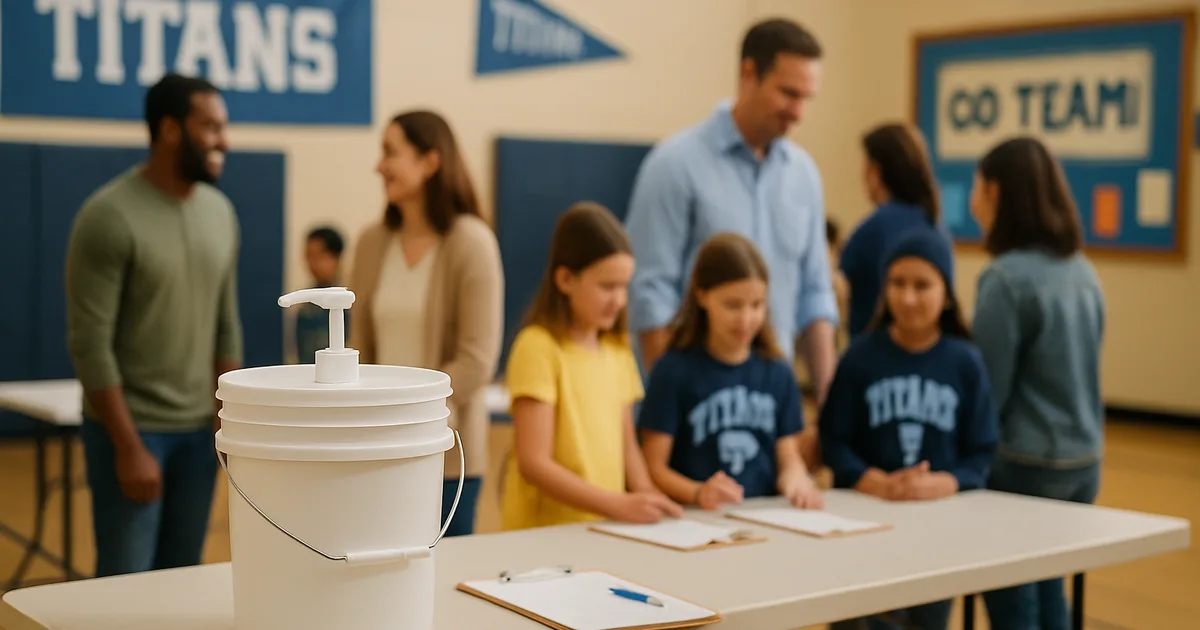
The strongest fall fundraising ideas for schools are built around three advantages the season offers: natural momentum from back-to-school energy in August and September, a wide window from late summer through Thanksgiving before winter fatigue sets in, and the chance to sell necessity products families are already buying as they restock for the school year. Product fundraisers that offer household staples — especially laundry detergent, cleaning supplies, and consumables — often outperform novelty items in fall because supporters are in a buying mindset and appreciate real value. The timing sweet spot is a launch in the first three weeks of school when engagement is highest, with a two-to-four-week selling window that wraps before October breaks fragment attention. A strong kickoff, clear goal, and simple program matter more than elaborate fall theming.
Fall is often the strongest fundraising season for schools. The energy of a new school year, the long runway from August through November, and families in a restocking mindset create conditions few other seasons can match. But that advantage disappears fast if you pick the wrong program or launch at the wrong moment.
The PTAs and PTOs that raise the most in fall are not running the most elaborate campaigns — they are running simple, well-timed programs that offer something families actually need. A necessity product launched in the first three weeks of school with a tight two-to-four-week window is likely to outperform a novelty item that drags into October.
This guide covers why fall is the strongest season, the best types of fundraisers to run from August through November, when to launch and how long to run, what mistakes kill momentum, and which programs are built to take full advantage of back-to-school timing.
- Fall offers the highest engagement and longest fundraising window of any season, from late August through Thanksgiving.
- The timing sweet spot is a launch in the first three weeks of school, with a two-to-four-week selling window.
- Necessity products — household staples families are already buying — often outperform novelty and treat items in fall.
- Back-to-school momentum fades fast; campaigns that start late September or drift into October lose the energy advantage.
- A strong kickoff in the first weeks of school drives more participation than any amount of fall theming or decoration.
- Simple programs with broad appeal raise more than elaborate events that require heavy volunteer coordination.
- Wrapping before mid-October avoids the fragmentation of fall breaks, Halloween, and early holiday distractions.
Why is fall the best season for school fundraising?
Three factors make fall the strongest fundraising season. First, back-to-school energy: families are engaged, communication channels are active, and there is a shared sense of starting fresh that does not exist in January or April. Second, the calendar: you have a clean three-month window from late August through Thanksgiving with no major competing holidays until the very end. Third, the buying mindset: families are already restocking school supplies, fall clothing, and household items, so asking them to shift one of those purchases to support the school feels natural rather than intrusive.
Compare that to spring, when testing, sports schedules, and end-of-year chaos fragment attention, or winter, when holiday spending has tapped families out. Fall gives you the longest runway and the highest baseline engagement of any season, but only if you launch early and keep it simple.
What are the best types of fall fundraisers for schools?
The programs that work best in fall are the ones that align with what families are already doing: restocking, buying, and getting organized for the school year. Here are the categories that tend to perform well.
Household-necessity product fundraisers
Selling consumable household staples — laundry detergent, cleaning products, paper goods — is the standout fall fundraiser for one simple reason: families are already buying these items as they restock for the school year, so you are not asking for extra spending, just a shift in where they buy. A bulk laundry detergent program, for example, offers a product every household uses at roughly half the per-ounce price of premium national brands, which gives supporters real value while the school keeps a strong per-unit profit.
These programs avoid the two problems that sink most fall fundraisers: narrow buyer appeal and volunteer burnout. A necessity tends to reach a much wider pool of households than treat items — not limited to dessert buyers or novelty seekers — and because the product is non-perishable, there is no frozen-delivery scramble or event-day coordination. The best necessity programs are also no-upfront-cost, which removes inventory financial risk if participation is lower than hoped.
No-upfront-cost product programs
Any product fundraiser where the school collects orders first and never fronts money for inventory is a smart fall choice, especially for groups that have been burned by unsold stock in the past. No-upfront-cost programs remove inventory financial risk and let you test a new product or audience without committing cash. They work particularly well in fall because back-to-school energy drives early orders, so you know quickly whether the campaign has momentum.
Back-to-school events with a product tie-in
A kickoff event — a back-to-school night, a meet-the-teacher social, or a fall festival — can serve double duty as both a community builder and a fundraiser launch if you pair it with a simple product program. The event creates the energy and the shared start date, and the product gives families an easy way to participate beyond attending. The key is keeping the product component simple: hand out order forms or share a link, explain the goal in two minutes, and let the event do the rest. Trying to sell at the event itself usually underperforms; the event should launch the campaign, not be the campaign.
Seasonal consumables with broad appeal
Fall-specific consumables — pumpkin-spiced items, apple products, seasonal baked goods — can work if the buyer pool is wide and the logistics are manageable, but they score lower than year-round necessities because they are still treats, not staples. A pumpkin-spice candle fundraiser will reach fewer households than a detergent fundraiser, and the margin is often eaten up by the seasonal premium. If you go this route, keep the selling window tight and the product non-perishable.
What fall fundraisers should schools avoid?
A few categories look good on paper but often underperform in fall. Elaborate events — carnivals, auctions, fun runs — require months of planning and heavy volunteer coordination, which eats into the back-to-school window and burns out your core team before the campaign even starts. Perishable food fundraisers — cookie dough, frozen meals — add delivery-day logistics that turn a simple campaign into a scramble. And novelty or luxury items — high-end gift catalogs, gourmet treats — ask families to spend extra money on things they do not need, which works against the restocking mindset that makes fall so strong.
When should you launch a fall fundraiser?
The timing sweet spot is the first three weeks of school. Families are engaged, communication is flowing, and there is a shared sense of momentum that does not exist later in the term. A campaign that launches in week two or three of school and runs for two to four weeks will wrap by late September or early October, which keeps you ahead of fall breaks, Halloween distractions, and the early creep of holiday planning.
Launching in late September or October costs you the back-to-school energy, and running past mid-October risks fragmentation as families juggle fall breaks, costume shopping, and the mental shift toward Thanksgiving. The calendar advantage of fall is real, but it is front-loaded — use it early or lose it.
How long should a fall fundraiser run?
Two to four weeks is a commonly recommended window. Shorter than two weeks does not give families enough time to reach their networks; longer than four weeks kills urgency and participation fades. The mistake most schools make is leaving a fundraiser open for six or eight weeks thinking it will raise more — it often does not. A tight deadline creates momentum; an open-ended timeline creates procrastination.
Set a firm end date at the kickoff, send reminders at the halfway point and two days before close, and stick to the deadline. The groups that raise the most are the ones that finish fast.
What makes a fall fundraiser kickoff successful?
A strong kickoff does three things: it starts everyone on the same day, it explains the goal and the product in under two minutes, and it makes participation feel easy and worthwhile. The best fall kickoffs happen at an existing gathering — back-to-school night, a PTA meeting, a grade-level event — so you are not asking families to show up for one more thing. You explain what you are raising money for, why the product is worth buying, and how to participate, then you hand out materials or share a link and let people go.
The kickoff is the single biggest lever you have for participation. A campaign that starts with a real kickoff is likely to outperform one that trickles out over email, even if the product and timeline are identical.
How do you maximize participation in a fall fundraiser?
Participation comes down to three things: a product people actually want, a clear and specific goal, and a short timeline with a firm deadline. If you are selling a household necessity at a good price and you tell families exactly what the money is for — new playground equipment, classroom technology, field trip funding — and you give them two weeks to participate, many will. If you are selling a novelty item with a vague goal and an open-ended timeline, many will not.
The other lever is communication. Send a kickoff message, a halfway reminder, and a two-day warning before close. Keep the messages short, specific, and focused on the goal. Families do not need elaborate graphics or fall-themed clip art — they need to know what you are raising money for, how to buy, and when the deadline is.
What are the most common fall fundraising mistakes?
The biggest mistake is launching too late. A campaign that starts in late September has already missed the back-to-school energy, and one that runs into November is competing with Thanksgiving and early holiday planning. The second mistake is choosing something too complicated — an event that requires months of planning, a product with elaborate delivery logistics, or a multi-part campaign that confuses families. Simple programs raise more because more people participate.
The third mistake is leaving the selling window open too long. A six-week campaign does not raise twice as much as a three-week campaign — it may raise less, because urgency fades and families forget. Set a firm deadline and hold to it.
Common mistakes to avoid
Launching in late September or October
You have already missed the back-to-school energy. The strongest fall fundraisers launch in the first three weeks of school.
Choosing an elaborate event over a simple product program
Events require months of planning and heavy volunteer coordination, which eats the calendar advantage fall offers. A simple product program launched early is likely to raise more.
Running past mid-October
Fall breaks, Halloween, and early holiday planning fragment attention. Wrap by early October to capture the clean window.
Selling novelty items instead of necessities
Fall is a restocking season. Families are in a buying mindset for household staples, not treats or luxury items.
Leaving the selling window open for six or eight weeks
Long timelines kill urgency. A tight two-to-four-week window is likely to raise more than a campaign that drags on.
Skipping a real kickoff
A campaign that trickles out over email is likely to underperform one that starts everyone on the same day with a clear explanation of the goal and the product.
- Editorial guidance: the fall timing advice on this page (launch in the first three weeks of school, a two-to-four-week selling window, wrapping before fall breaks) reflects the authors' editorial judgment and typical school calendars, not measured campaign data.
- Good Clean Fundraising program terms — $49.95 per bucket; $13.45 profit per bucket at 100 to 299 buckets (usually $5 to $12 at 50 to 99 buckets, depending on actual shipping costs), $14.45 at 300 to 499, $15.45 at 500 or more; $0 upfront cost; free shipping at 100+ buckets; 50-bucket minimum (smaller orders are not accepted); 100% money-back guarantee under which, according to the company, any customer who is not satisfied is refunded and the group keeps its profit. — GCF pricing, GCF how it works, and GCF refund and returns.
- Detergent price comparison — per-ounce pricing for premium national-brand liquid laundry detergent at major U.S. retailers, price-checked September 2026 (about 13 to 16 cents per ounce across common sizes). A 5-gallon (640 oz) bucket at $49.95 is about 7.8 cents per ounce. Retail prices vary by size, store, and region; based on a single online retailer's listings for premium brands; some value-tier and store brands cost less per ounce.
Our recommendation for fall
If you are planning a fall fundraiser, start with a household-necessity product launched in the first three weeks of school. Good Clean Fundraising runs The Good Clean Fundraiser, a bulk laundry-detergent program built for exactly this timing: a detergent in 5-gallon pump buckets that supporters buy at roughly half the per-ounce price of premium national brands, with no upfront cost to your school, free shipping on orders of 100 buckets or more, and a Getting Started packet, instructions, marketing materials, and social media strategies. At the typical selling price of $49.95 per bucket, schools keep about $13.45 to $15.45 per bucket at 100 or more buckets, depending on order volume. Families are already restocking household staples in fall — this lets them do it at roughly half the per-ounce price of premium national brands while backing the school, which may help participation compared with novelty-item fundraisers. Launch in early September, run for three weeks, and wrap before October breaks arrive. Orders under 50 buckets are not accepted.
Frequently asked questions
Strong fall fundraisers are often household-necessity product programs — especially bulk laundry detergent and cleaning supplies — because families are already restocking for the school year and appreciate real value. These tend to reach a wider range of households than novelty or treat fundraisers, avoid perishability and delivery logistics, and work well as no-upfront-cost programs. Launch in the first three weeks of school and run for two to four weeks.
The timing sweet spot is the first three weeks of school, when back-to-school energy and engagement are highest. A campaign that launches in week two or three and runs for two to four weeks will wrap by late September or early October, ahead of fall breaks and Halloween distractions.
Two to four weeks is a commonly recommended window. A tight timeline creates urgency and keeps families engaged; campaigns that drag on for six or eight weeks lose momentum and raise less. Set a firm end date at the kickoff and stick to it.
Fall tends to offer high engagement and a long, clean calendar window. Back-to-school energy drives participation, families are in a restocking and buying mindset, and you have a three-month runway from late August through Thanksgiving with no major competing holidays until the very end. Spring and winter tend to have more competing demands.
Avoid elaborate events that require months of planning and heavy volunteer coordination, perishable food products that add delivery-day logistics, and novelty or luxury items that ask families to spend extra money on things they do not need. These work against the restocking mindset and calendar advantages that make fall strong.
Participation comes down to a product people actually want, a clear and specific goal, a short timeline with a firm deadline, and a strong kickoff that starts everyone on the same day. A household necessity at a good price with a two-week deadline and a real kickoff is likely to outperform a novelty item with a vague goal and an open-ended timeline.
You can, but you have already missed the back-to-school energy that makes fall so strong. An October launch competes with fall breaks, Halloween, and early holiday planning, which fragments attention and lowers participation. The strongest fall fundraisers launch in the first three weeks of school and wrap by early October.
A strong kickoff starts everyone on the same day, explains the goal and the product in under two minutes, and makes participation feel easy and worthwhile. The best kickoffs happen at an existing gathering — back-to-school night, meet-the-teacher, a PTA meeting — so you are not asking families to show up for one more thing. A real kickoff drives more participation than any amount of email or fall theming.
Often, yes. Household necessities like laundry detergent tend to appeal to a wider range of buyers than dessert-based fundraisers — most households use laundry detergent regardless of season, and they align with the restocking mindset families are already in during back-to-school season. They are also non-perishable, which removes the frozen-delivery logistics that make cookie dough hard to run. Supporters feel they are getting real value at about half the per-ounce price of premium national brands, which can raise participation.
It depends on your group size, the product, and how many families participate, so set a realistic goal based on your school rather than a headline number. As a concrete example, a household-necessity program where the school sells a 5-gallon bucket of detergent for $49.95 and keeps roughly $13.45 to $15.45 per bucket at 100 or more buckets would keep $2,690 on 200 buckets at the $13.45 tier, so the total scales with how many buckets are sold. The bigger lever is launching early and keeping the timeline tight — that drives participation more than chasing a high per-unit margin.
Fall is the best fundraising season schools get, but the advantage is front-loaded and fleeting. Launch in the first three weeks of school with a simple, necessity-based program, run for two to four weeks, and wrap before October fragments attention. Do that, and you give your campaign its best chance of raising more with less effort.