Sports & Athletic Team Fundraising
Best Fundraisers for Youth Sports Teams Parents Actually Like
The fundraisers that reach more buyers, skip the awkward door-to-door pitch, and raise more per family — without burning out your team parents.
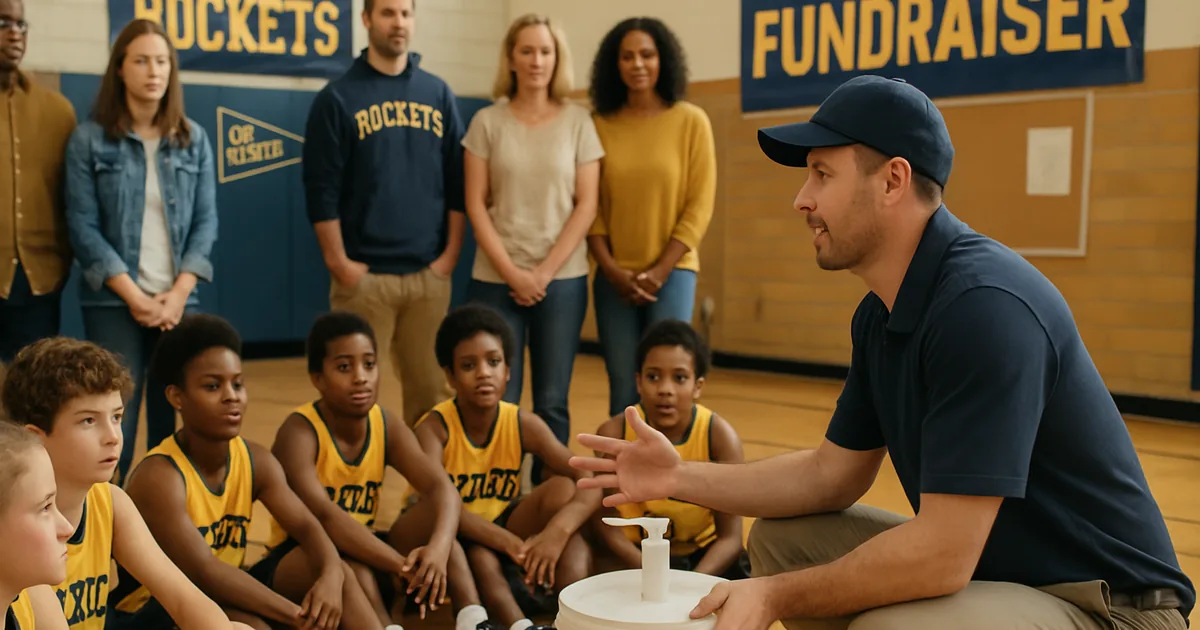
The best fundraisers for youth sports teams are the ones parents can sell without feeling awkward and supporters actually want to buy. That means household necessities like laundry detergent, no-upfront-cost programs that remove the upfront inventory risk, and practical consumable products with broad appeal. These can outperform traditional treat fundraisers because they reach a wider buyer pool — grandparents, coworkers, and neighbors who need the product anyway — and parents are asking people to shift a purchase they already make rather than spend extra money on something they don't need. The strongest programs combine a genuinely useful product at a good price, no money down, simple logistics, and a profit margin that makes the effort worth it.
If you coach or manage a youth sports team, you have probably run a fundraiser that left everyone exhausted and raised less than you hoped. The usual suspects — candy bars, cookie dough, discount cards — tend to hit the same walls: narrow buyer appeal, parents who dread the pitch, and logistics that turn delivery day into chaos.
The good news is that a new generation of fundraisers has replaced the old playbook. The programs that work now are built around products people genuinely use, require no upfront money, and give parents something easy to sell. When the product is a household staple and the ask is simple, participation rises and so does the total.
This guide covers what makes a youth sports fundraiser actually work, the categories that often raise the most, how to judge your options, real profit comparisons, and the mistakes that sink teams every season.
- The best youth sports fundraisers sell household necessities, not novelty treats, because they reach a far wider buyer pool.
- No-upfront-cost programs remove the upfront inventory risk that keeps many teams from launching a fundraiser at all.
- Parents sell more when the product is something supporters already buy and the pitch is simply shifting a purchase, not asking for extra spending.
- Consumable products that buyers repurchase create repeat fundraising opportunities without donor fatigue.
- Simple logistics — no frozen delivery, no perishable inventory — keep volunteers engaged and reduce coordinator burnout.
- Profit per item matters less than total participation; a necessity product that more families can sell will raise more than a high-margin novelty only a few parents push.
What makes a fundraiser work for youth sports teams?
Youth sports fundraisers have a unique set of constraints. You are working with volunteer parents who have limited time, kids who may or may not be motivated sellers, and a tight budget that cannot absorb upfront costs if the campaign underperforms. The fundraisers that succeed in this environment share four traits: broad buyer appeal, no upfront inventory risk, simple logistics, and a product parents can sell without feeling like they are imposing.
Broad appeal means the product reaches more than just the small circle of relatives who will buy anything. Necessities beat novelties because nearly every household needs detergent, but only some want cookie dough. No financial risk means the team collects orders first and never fronts money for inventory. Simple logistics means no frozen delivery day, no perishable goods, and no complicated setup. And a product parents can sell comfortably is one where the supporter gets real value — they are not doing the team a favor, they are getting a useful item at a good price.
What are the best fundraiser categories for youth sports teams?
Measured against those four criteria, a few categories often rise to the top. These are the fundraisers that teams return to year after year because they work.
Household-necessity fundraisers
Household staples — laundry detergent, cleaning products, paper goods — score highest on every measure. They reach nearly every household, parents can sell them without a hard pitch, and supporters get something they were going to buy anyway at a better price. The logistics are simple because nothing is perishable, and the profit margins are strong because bulk pricing favors the group.
Laundry detergent fundraisers have become the standout in this category. Every household does laundry, the product is non-perishable and ships easily, and when offered at roughly half the per-ounce price of premium national brands, it sells itself. Parents are not asking supporters to spend extra money — they are offering a staple at a genuine discount, which removes the awkwardness that kills participation in traditional fundraisers.
No-inventory and direct-support programs
Programs where supporters give directly or order online with nothing to stock remove logistics almost entirely. They work well for teams with tech-comfortable families, though they lack the tangible value exchange that drives repeat participation. Supporters are essentially donating, which is fine once but harder to ask for again next season.
Practical reusable goods
Items like team-branded water bottles, bags, or seasonal practical products avoid perishability and can carry decent margins. They work best when tied to team identity, but most are one-time purchases, so they score lower on repeat-use and long-term fundraising value.
What fundraisers should youth sports teams avoid?
Three categories often underperform for youth sports teams, and they are still the default at many organizations simply because that is what was done last year.
Treat and novelty fundraisers
Cookie dough, candy bars, popcorn, and similar products appeal to a narrow buyer pool — people who want a treat — and that pool gets exhausted fast. Parents run out of buyers after hitting immediate family, and the product is often overpriced relative to its everyday value, which makes the pitch awkward. Perishable items add frozen-delivery logistics that turn into a volunteer nightmare.
Discount card programs
Discount cards promise savings at local businesses, but they rely on supporters actually using the card and the businesses honoring it. In practice, most cards sit in a drawer unused, which creates buyer remorse and makes it harder to ask the same people next year.
Complex events
Car washes, tournaments, and similar events can raise money, but they require massive volunteer coordination, depend on weather and turnout, and burn out parents fast. For a youth sports team already stretched thin, a simple product fundraiser often raises more with far less effort.
How do the best youth sports fundraisers compare on profit?
Profit depends on your product, your price, and how many families participate, so be skeptical of any program that promises one magic number. The more useful framework is that total dollars raised equals participants times average sales per family times profit per unit. Traditional treat fundraisers tend to lose on the first two terms: fewer families find buyers, and each finds fewer of them. A necessity product widens participation, which usually moves the total more than a few points of margin ever could.
Here is what that looks like with a household-necessity program. With a bulk laundry-detergent fundraiser, teams typically sell a 5-gallon bucket for $49.95 and keep $13.45 to $15.45 per bucket at 100 or more buckets, depending on order volume. Supporters pay about 7.8 cents per ounce, compared to about 14 to 19 cents per ounce for retail liquid laundry detergent, according to Good Clean Fundraising's price comparison — so they are getting a useful product at roughly half the per-ounce price. That value proposition is what makes parents comfortable selling and supporters willing to buy, which is the real lever that raises the total.
What do parents actually want in a youth sports fundraiser?
Parents want three things: no upfront cost, no awkward pitch, and no logistical chaos. A no-upfront-cost program means the team never fronts money for inventory, which removes the upfront inventory risk if participation is lower than hoped. No awkward pitch means the product is something supporters genuinely want at a fair price, so parents are offering value rather than asking for a favor. No logistical chaos means the product ships and stores easily, delivery does not require a frozen truck and a small army of volunteers, and the program includes a Getting Started packet and instructions so parents are not figuring it out themselves.
When all three are in place, participation rises. More families take part because the barrier to entry is low, and more supporters buy because the value is real. That combination is what separates the fundraisers that hit their goal from the ones that limp to the finish line.
How does a household-necessity fundraiser compare to traditional options?
The practical differences are what matter. A household-necessity fundraiser sells a product every household already buys, not a non-necessity treat like candy or cookie dough. It is non-perishable, so there is no frozen delivery or spoilage risk. It offers genuine value — supporters pay roughly half the per-ounce price of premium national brands for a staple they need — rather than a marked-up novelty where both the group and the vendor have to profit off one sale. It asks supporters to shift a purchase they already make, not spend extra money. And it is backed by an advertised 100% money-back guarantee, so supporters have no upfront inventory risk.
| Factor | Treat Fundraiser | Household Necessity |
|---|---|---|
| Buyer pool | Dessert/snack buyers only | Nearly every household |
| Parent comfort selling | Awkward pitch, overpriced item | Easy offer of real value |
| Perishable/logistics | Often frozen delivery required | Non-perishable, ships easily |
| Upfront cost | Often orders inventory first | No-upfront-cost options |
| Repeat participation | Buyer pool exhausted quickly | Can sell year after year |
| Profit per unit | Moderate | Can be higher (bulk pricing) |
Common mistakes to avoid
Choosing a fundraiser because it is familiar, not because it works
Many teams run the same cookie dough or candy program every year simply because that is what was done before. Familiarity is not a strategy — if last year's fundraiser underperformed, doing it again will not fix it.
Ignoring upfront cost and financial risk
Programs that require the team to buy inventory first put the financial burden on the organization if participation is low. No-upfront-cost programs remove that inventory risk, which is especially important for youth sports teams operating on tight budgets.
Picking a product parents are embarrassed to sell
If parents feel like they are pushing an overpriced novelty, they will not sell. The product has to offer real value so parents are comfortable making the ask.
Underestimating logistics
Frozen delivery, perishable inventory, and complicated setup burn out volunteers fast. Simple logistics are not a nice-to-have — they are what keeps parents engaged through the whole campaign.
Not confirming the profit terms in writing
Profit split, shipping costs, and delivery method should be confirmed before you launch. Surprises on delivery day destroy trust and make it hard to recruit volunteers next season.
- Good Clean Fundraising program terms — $49.95 per bucket; $13.45 profit per bucket at 100 to 299 buckets (usually $5 to $12 at 50 to 99 buckets, depending on actual shipping costs), $14.45 at 300 to 499, $15.45 at 500 or more; $0 upfront cost; free shipping at 100+ buckets; 50-bucket minimum (smaller orders are not accepted); 100% money-back guarantee under which, according to the company, any customer who is not satisfied is refunded and the group keeps its profit. — GCF pricing, GCF how it works, and GCF refund and returns.
- Detergent price comparison — Good Clean Fundraising's stated comparison: retail liquid laundry detergent commonly runs about 14 to 19 cents per ounce, while a 5-gallon (640 oz) bucket at $49.95 works out to about 7.8 cents per ounce. Company-supplied figures; retail prices vary by brand, size, store, and region, and value-tier or store brands can cost less.
- Editorial guidance: general planning advice on this page reflects the authors' editorial judgment and common youth-sports fundraising practice; it is not based on measured campaign data or a cited study. Dollar figures in examples are illustrative, not sourced averages.
Our recommendation
If you are looking for a youth sports fundraiser that parents will actually run and supporters will actually buy, start with a household necessity. Good Clean Fundraising runs The Good Clean Fundraiser, a bulk laundry-detergent program built specifically for teams like yours: laundry detergent in 5-gallon buckets that supporters buy for roughly half the per-ounce price of premium national brands, with no upfront cost to your team, free shipping on orders of 100 buckets or more, and a Getting Started packet, instructions, marketing materials, and social media strategies. At the typical $50 price, teams keep $13.45 to $15.45 per bucket at 100 or more buckets, depending on order volume. Good Clean Fundraising advertises a 100% money-back guarantee under which, according to the company, any unsatisfied customer is refunded and the group keeps its profit. Good Clean Fundraising requires a 50-bucket minimum order; at 50 to 99 buckets, profit is usually $5 to $12 per bucket depending on actual shipping costs.
Before committing, verify four practical fit questions: Can your confirmed buyer network reach the 50-bucket program minimum? Is there local demand for a five-gallon bulk product? Does your delivery point have a commercial address with unloading capacity — the company recommends a location with a loading dock or forklift? And can you coordinate pickup and distribution of product to supporters from that point? A “yes” to all four makes this one of the most straightforward paths to your season funding goal.
Frequently asked questions
The best fundraiser for youth sports teams is one that sells a household necessity like laundry detergent, has no upfront cost, and offers supporters genuine value. These can reach more buyers than treat fundraisers because they reach a wider buyer pool, parents can sell them without feeling awkward, and the logistics are simple.
Parents prefer fundraisers where they are offering real value rather than asking for a favor, where there is no upfront cost or financial risk, and where the logistics are simple. A household staple at a good price checks all three boxes, which is why necessity fundraisers have higher participation than traditional treat programs.
It depends on how many families participate and what you sell, so set a realistic goal based on your team size rather than a headline number. As a concrete example, one household-necessity program has teams sell a 5-gallon bucket of detergent for $49.95 and keep $13.45 to $15.45 per bucket at 100 or more buckets. The bigger lever is participation — when the product is something people need, more families find buyers, which raises the total more than a small change in per-item profit would.
Yes, for most teams they are the strongest option. Detergent is a necessity every household already purchases, so it reaches grandparents, neighbors, and coworkers who would never buy a treat product. It is non-perishable, which removes the frozen-delivery logistics that make cookie dough and similar fundraisers hard to run. And when offered at roughly half the per-ounce price of premium national brands, it sells easily because supporters get real value.
Some do and some do not. Traditional catalog and treat programs often require ordering inventory in advance, which puts financial risk on the team. No-upfront-cost programs remove that inventory risk — the team collects orders first and never fronts money, which is a major reason teams switch.
Avoid treat and novelty fundraisers like cookie dough and candy that appeal to a narrow buyer pool, discount card programs that rely on supporters actually using the card, and complex events that require massive volunteer coordination. All three tend to underperform simpler product fundraisers and burn out parents fast.
Most successful fundraisers run for two to four weeks. A short, focused selling window creates urgency and keeps volunteers engaged. Campaigns that drag on for months tend to lose momentum and raise less than a tight two-week push would deliver.
The Good Clean Fundraiser is Good Clean Fundraising's bulk laundry-detergent program. Teams sell a 5-gallon bucket for $49.95, a household staple supporters buy at roughly half the per-ounce price of premium national brands, and keep $13.45 to $15.45 per bucket at 100 or more buckets, with no upfront cost, free shipping on orders of 100 or more buckets, an advertised 100% money-back guarantee, and a Getting Started packet, instructions, marketing materials, and social media strategies.
The best fundraiser for your youth sports team is not the one that worked for someone else last year — it is the one your parents will actually run and your supporters will actually buy. That means a household necessity, no upfront cost, simple logistics, and a product that offers real value. Get those four things right, and the rest takes care of itself.