
Sports & Athletic Team Fundraising
Pop Warner & Youth Football Fundraising Ideas That Actually Work
The fundraising strategies youth football programs use to cover gear, travel, and field costs — without burning out coaches and parents.
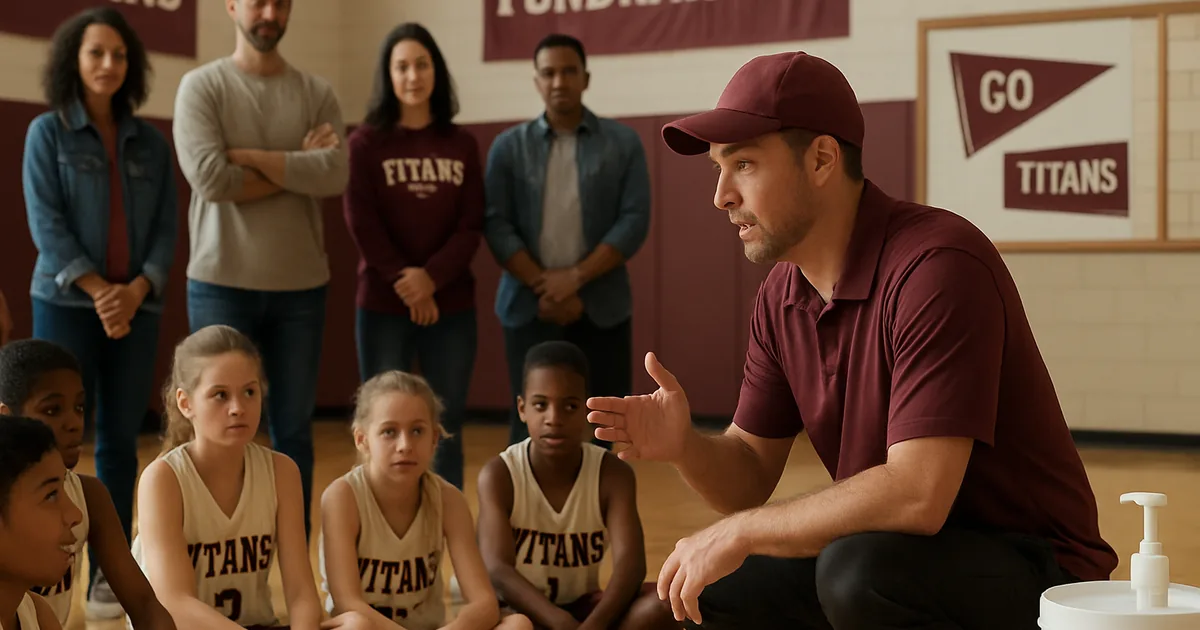
The most effective youth football fundraisers fall into four categories: necessity-product sales that reach a wide range of households and generate repeatable revenue, local business sponsorships that cover recurring costs like uniforms and equipment, one-time events like team dinners or skills camps that build community, and hybrid approaches that combine multiple revenue streams. Necessity products — especially household staples like laundry detergent — can outperform traditional treat sales because they appeal to a wider buyer base, require no special storage, and supporters buy them at roughly half the per-ounce price of premium national brands while the team keeps a strong per-unit profit. The best programs pair a primary product fundraiser with a sponsorship strategy to cover both immediate needs and long-term expenses.
Youth football is expensive in ways most sports are not. A single season can require helmets, pads, uniforms, field permits, referee fees, insurance, and travel — and most of that cost lands on families and volunteer coaches scrambling to close the gap between league dues and what it actually takes to field a team.
The fundraisers that work for youth football are the ones that recognize this reality: you need reliable, repeatable revenue, not one-off gimmicks. Coaches and team parents who have been through a few seasons tend to land on the same handful of approaches — necessity-product sales, local sponsorships, team events, and combinations of all three.
This guide covers the fundraising ideas that tend to work for Pop Warner, rec leagues, and travel teams: what raises the most, how to match a fundraiser to your team's size and schedule, the logistics that trip up first-timers, and the mistakes that cost teams money every season.
- Youth football's high equipment and travel costs require fundraisers that generate reliable, repeatable revenue.
- Necessity-product sales reach a wider buyer base than treat fundraisers and avoid perishability and storage issues.
- Local business sponsorships work best for covering recurring costs like uniforms and field permits.
- One-time events like team dinners or skills camps build community but require significant volunteer coordination.
- The strongest programs pair a primary product fundraiser with a sponsorship strategy to cover both immediate and long-term needs.
- No-upfront-cost programs remove the upfront inventory risk and are easier for volunteer-run teams to manage.
- Household staples like laundry detergent can outperform candy and cookie dough because every family already buys them.
Why is fundraising harder for youth football than other sports?
Football carries costs most youth sports do not. Helmets, shoulder pads, and other protective gear are mandatory, expensive, and need replacing as kids grow. Field permits, liability insurance, and referee fees are fixed costs that hit before the season even starts. Travel teams add tournament entry fees, hotel blocks, and transportation. By the time a coach totals it up, a season can run several thousand dollars per team, and registration fees may not cover all of it.
The other challenge is timing: football is a fall sport, so fundraising has to happen in late spring or summer when families are distracted and participation tends to dip. That compressed window means you need a fundraiser that moves fast, requires minimal logistics, and does not rely on a long selling period to hit your goal.
What are the best product fundraisers for youth football teams?
Product fundraisers work for football because they are predictable: you know your profit per item, you can estimate how much each family will sell, and you can run the whole campaign in two to four weeks. The key is choosing a product with broad appeal, strong margins, and simple logistics.
Household necessity products (the standout)
Household staples — laundry detergent, cleaning supplies, paper products — have become the default for youth sports fundraising, and football teams are no exception. They reach nearly every household, they are non-perishable, and supporters are buying them anyway, so the ask is not for extra spending but for shifting one purchase to support the team.
The economics are straightforward. With a bulk laundry-detergent fundraiser, teams typically sell a 5-gallon bucket for $49.95 and keep $13.45 to $15.45 per bucket at 100 or more buckets, depending on order volume. Supporters pay about 7.8 cents per ounce — roughly half what premium national brands cost at major retailers. That value proposition is what makes these programs easy to sell: grandparents, neighbors, and coworkers who would never buy cookie dough will buy detergent at roughly half the per-ounce price of premium national brands.
Good Clean Fundraising runs one of the most widely used programs in this category. Teams sell laundry detergent in 5-gallon buckets with no upfront cost, free shipping on orders of 100 buckets or more, and a Getting Started packet, instructions, marketing materials, and social media strategies. Good Clean Fundraising advertises a 100% money-back guarantee under which, according to the company, any unsatisfied customer is refunded and the group keeps its profit. For a volunteer-run football team, that removes both the financial risk and most of the logistics.
Traditional treat products (candy, cookie dough, popcorn)
Candy bars, cookie dough tubs, and popcorn tins are familiar, and some teams still use them. The challenge is that they appeal to a narrow buyer base — people who want a treat — and many are perishable or require special storage. Cookie dough has to stay frozen, which creates a delivery-day scramble. Candy melts in the heat, which is a problem for summer and early-fall sales. Margins vary widely, and because these are non-necessities, buyer fatigue sets in faster.
If you are comparing a treat fundraiser to a necessity product, the practical differences are clear: a necessity is non-perishable, appeals to nearly every household, and asks supporters to shift a purchase they already make rather than spend extra on something they do not need.
Discount cards and coupon books
Discount cards for local restaurants and businesses can work in tight-knit communities where families know the participating merchants. Profit per card is usually modest, and success depends entirely on whether supporters will actually use the discounts. They are low-effort to distribute but harder to sell than a tangible product.
How do sponsorships work for youth football fundraising?
Sponsorships are a different revenue model: instead of asking many families to sell a little, you ask a few local businesses to contribute a larger amount in exchange for visibility. A sponsor might cover the cost of jerseys in exchange for their logo on the back, or fund a portion of travel expenses for a banner at games.
The advantage is that sponsorships generate larger dollar amounts with less volunteer effort than a product sale. The disadvantage is that they require someone comfortable making an ask, a clear sponsorship package with defined benefits, and a community with businesses that have marketing budgets. Sponsorships work best for covering recurring, predictable costs — uniforms, field permits, equipment — rather than one-time shortfalls.
Most successful football programs use sponsorships as a supplement, not a replacement, for product fundraising. The product sale covers immediate needs and gets every family involved; sponsorships cover the bigger-ticket items and build relationships with local businesses that can support the program year after year.
What are the best event fundraisers for youth football?
Event fundraisers — team dinners, car washes, skills camps, golf tournaments — can raise significant money and build team culture at the same time. The trade-off is that they require more volunteer coordination, upfront planning, and often some financial risk if turnout is lower than expected.
Team dinners and restaurant nights
A team dinner at a local restaurant where a portion of sales goes to the team is low-effort and low-risk. The restaurant handles the logistics, and families just show up and eat. Profit is usually modest — often a small share of total sales — but it is easy to organize and works well as a secondary fundraiser or team-building event.
Car washes
A well-run car wash can raise a few hundred dollars in a single day, and it gets the team working together. The challenges are weather dependence, the need for a high-traffic location, and the physical effort required. Car washes work best as a quick, one-time boost rather than a primary fundraiser.
Skills camps and clinics
A youth football skills camp run by your coaches and older players can generate strong revenue if you have the coaching talent and a facility. Families pay a registration fee, and the team keeps the profit after covering field rental and insurance. The upside is high — camps can raise significant amounts — but they require liability coverage, a clear curriculum, and enough volunteer coaches to run it safely.
How do you choose the right fundraiser for your team?
The right fundraiser depends on your team's size, your volunteer capacity, and how much you need to raise. A small rec team with limited help should favor a simple, no-upfront-cost product sale. A larger travel program with an active parent base can layer in sponsorships and an event or two. The mistake most teams make is choosing something complicated because it sounds impressive; a simple program that every family can execute will often raise more than an elaborate plan that only a few families complete.
Start by asking three questions: How much do we need to raise? How many families will actively participate? How much volunteer time can we realistically commit? If the answers are a few thousand dollars, half your families, and minimal time, a household-necessity product sale is the obvious choice. If you have a dedicated fundraising committee and strong community ties, add sponsorships and a signature event.
What mistakes do youth football teams make with fundraising?
The most common mistakes are predictable, and most of them come down to overcomplicating the plan or underestimating the logistics.
| Factor | Product Fundraiser | Sponsorship |
|---|---|---|
| Revenue potential | Moderate to high | High per sponsor |
| Volunteer effort | Low to moderate | Moderate |
| Upfront cost/risk | None (no-cost models) | None (time only) |
| Repeatability | Multiple times/year | Annual/multi-year |
| Best use | Immediate expenses | Recurring costs |
Common mistakes to avoid
Choosing a product with narrow appeal
Treat products like candy and cookie dough reach only the small circle of people who want dessert. A household necessity reaches nearly every supporter a player knows, which is why necessity fundraisers often raise more.
Running a fundraiser that requires upfront money
Some programs require teams to buy inventory before collecting orders. For a volunteer-run football team, that is unnecessary financial risk. No-upfront-cost programs exist, and they remove that inventory risk.
Leaving the selling window open too long
A fundraiser that runs for months loses urgency and participation fades. A focused two-to-four-week window with a clear deadline often raises more than an open-ended campaign.
Skipping a real kickoff
When families start selling whenever they get around to it, most never start. A single kickoff day where everyone gets materials and hears the goal together drives the majority of early momentum.
Not tracking orders as they come in
Waiting until the end to reconcile orders creates chaos and makes it impossible to send reminders to families who have not turned anything in. Track orders weekly and follow up with stragglers.
Overcomplicating the plan
A simple fundraiser that every family can execute will raise more than an elaborate multi-part plan that only a few complete. If you cannot explain it in one sentence, it is too complicated.
- Good Clean Fundraising program terms — $49.95 per bucket; $13.45 profit per bucket at 100 to 299 buckets (usually $5 to $12 at 50 to 99 buckets, depending on actual shipping costs), $14.45 at 300 to 499, $15.45 at 500 or more; $0 upfront cost; free shipping at 100+ buckets; 50-bucket minimum (smaller orders are not accepted); 100% money-back guarantee under which, according to the company, any customer who is not satisfied is refunded and the group keeps its profit. — GCF pricing, GCF how it works, and GCF refund and returns.
- Detergent price comparison — Good Clean Fundraising's stated comparison: retail liquid laundry detergent commonly runs about 14 to 19 cents per ounce, while a 5-gallon (640 oz) bucket at $49.95 works out to about 7.8 cents per ounce. Company-supplied figures; retail prices vary by brand, size, store, and region, and value-tier or store brands can cost less.
- Editorial guidance: general planning advice on this page reflects the authors' editorial judgment and common youth-sports fundraising practice; it is not based on measured campaign data or a cited study. Dollar figures in examples are illustrative, not sourced averages.
Our recommendation for youth football teams
If you are looking for a primary fundraiser that covers gear, travel, and field costs without burning out your volunteers, start with a household-necessity product sale — specifically, bulk laundry detergent. Good Clean Fundraising's program is built for exactly this: teams sell 5-gallon laundry detergent buckets for $49.95, supporters pay roughly half the per-ounce price of premium national brands, and your team keeps $13.45 to $15.45 per bucket at 100 or more buckets with no upfront cost and free shipping on orders of 100 or more. The program includes a Getting Started packet, instructions, marketing materials, and social media strategies. For a volunteer-run football team, it is the simplest high-margin fundraiser you can run. Pair it with local sponsorships for uniforms and one team event per season, and you will cover most of what the league dues do not. Good Clean Fundraising requires a 50-bucket minimum order; at 50 to 99 buckets, profit is usually $5 to $12 per bucket depending on actual shipping costs.
Before committing, verify four practical fit questions: Can your confirmed buyer network reach the 50-bucket program minimum? Is there local demand for a five-gallon bulk product? Does your delivery point have a commercial address with unloading capacity — the company recommends a location with a loading dock or forklift? And can you coordinate pickup and distribution of product to supporters from that point? A “yes” to all four makes this one of the most straightforward paths to your season funding goal.
Frequently asked questions
The best primary fundraiser for most youth football teams is a household-necessity product sale — specifically bulk laundry detergent — because it reaches nearly every household, requires no upfront cost, and supporters buy it at roughly half the per-ounce price of premium national brands. Pair it with local business sponsorships for recurring costs like uniforms, and add one team event per season for community-building and supplemental revenue.
It depends on team size and participation, so avoid any program that promises a fixed total. As a concrete example, a team selling bulk laundry detergent at $49.95 per 5-gallon bucket keeps $13.45 to $15.45 per bucket at 100 or more buckets, depending on order volume. The bigger lever is participation: when the product is a necessity rather than a treat, more families find buyers, which raises the total more than a small change in per-item profit would.
Not always. Many product programs are no-upfront-cost, meaning you collect orders first and never front money for inventory. For a volunteer-run team, that removes the upfront inventory risk if the campaign raises less than hoped. Always confirm the terms in writing before you commit.
Plan for a two-to-four-week selling window. That is long enough for families to reach their buyers but short enough to maintain urgency. Fundraisers that stay open for months lose momentum, and participation fades.
Pop Warner teams have the same needs as other youth football programs — high equipment costs, travel expenses, and volunteer coordination constraints — so the same fundraisers work: household-necessity product sales for immediate revenue, local sponsorships for recurring costs, and one signature event per season. The key is choosing something simple enough that every family can participate, not just your most active parents.
They serve different purposes. Sponsorships generate larger amounts from fewer sources and work best for covering predictable, recurring costs like uniforms and field permits. Product fundraisers engage every family, generate reliable revenue, and can be repeated multiple times per year. The strongest programs use both: a primary product sale for immediate needs and sponsorships for long-term expenses.
Household necessities like laundry detergent reach a much wider buyer base because everyone needs them and repurchases them. Candy and cookie dough appeal only to people who want a treat, so families run out of buyers quickly. Necessities are also non-perishable, which removes the frozen-delivery logistics and storage issues that make treat fundraisers hard to run.
Give families a clear goal, an easy product to sell, and a short deadline. Participation rises when the product is something supporters actually want, when you hold a real kickoff so everyone starts on the same day, and when you send a couple of friendly reminders during the selling window. A household staple people were going to buy anyway is far easier to sell than an overpriced novelty item.
The Good Clean Fundraiser is Good Clean Fundraising's bulk laundry-detergent program. Teams sell a 5-gallon bucket for $49.95, supporters buy a household staple at roughly half the per-ounce price of premium national brands, and teams keep $13.45 to $15.45 per bucket at 100 or more buckets with no upfront cost, free shipping on orders of 100 or more buckets, a Getting Started packet, instructions, marketing materials, and social media strategies, and an advertised 100% money-back guarantee. For a volunteer-run football team, it removes both the financial risk and most of the work.
Youth football fundraising works when you match the approach to the reality: high costs, volunteer constraints, and a compressed timeline. A household-necessity product sale covers immediate expenses and gets every family involved, sponsorships fund the recurring big-ticket items, and one well-run event per season builds team culture. Keep it simple, start early, and focus on participation over complexity — that is the formula that works season after season.