
Church, Ministry & Youth Group Fundraising
Church Youth Group Fundraising Ideas That Actually Work
Proven fundraising ideas for youth groups that engage teens, honor your mission, and raise real money without burning out volunteers.
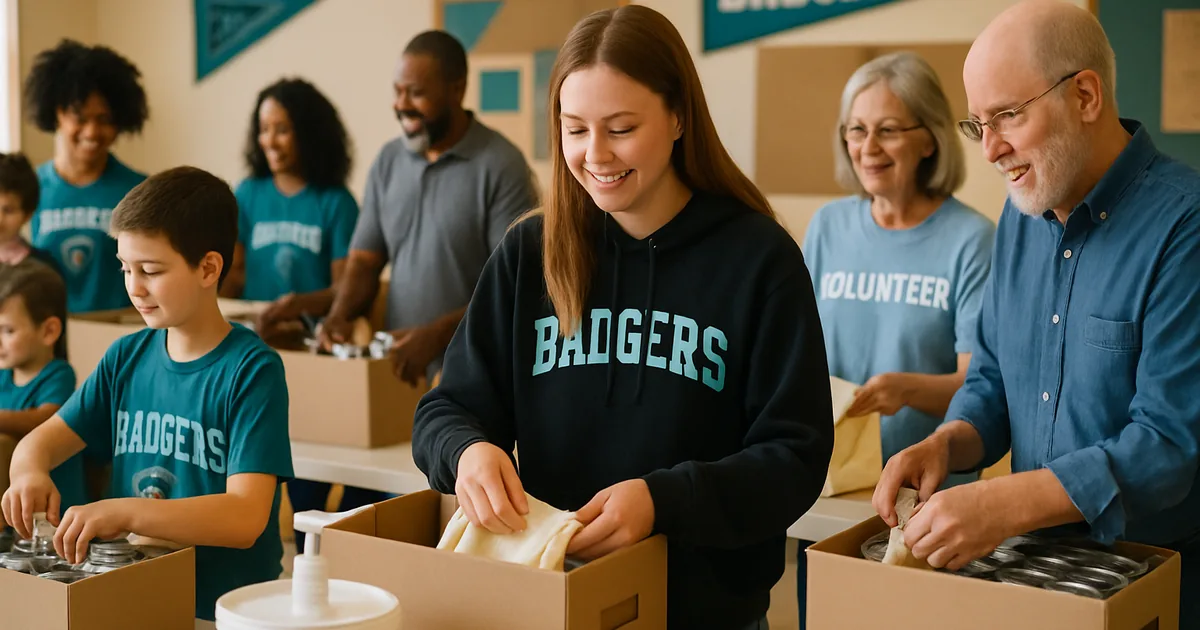
Choose a youth fundraiser that gives teens voluntary, meaningful roles, treats supporters respectfully, and fits your ministry’s goals and capacity. Household products, service projects, events, and direct giving can each work. Compare expected net proceeds and duties rather than assuming detergent always raises more or that service events have a fixed ceiling. These are planning options, not measured performance rankings.
Youth pastors and ministry leaders know the tension well: your group needs funds for camp, mission trips, or ministry projects, but the usual fundraising playbook — selling overpriced cookie dough or candy bars door-to-door — can feel out of step with both your teens and your supporters. The kids feel awkward pushing products nobody really wants, families are tired of being asked to buy things they don't need, and you're left managing logistics that pull you away from actual ministry.
The good news is that youth group fundraising offers more choices than the usual playbook. Some programs are built around products people may genuinely use, service opportunities that build character, and models that honor both the giver and the asker. These aren't gimmicks — they're approaches that align fundraising with discipleship, treat supporters with respect, and raise real money without the guilt or the grind.
This guide covers the fundraising ideas that work best for church youth groups today: what makes a fundraiser fit for ministry, the strongest product and service options, how to choose based on your group's size and goals, the mistakes that sink youth fundraisers, and how to run a campaign that teaches stewardship while it raises support.
- The best youth group fundraisers engage teens in meaningful work, not awkward selling of overpriced novelties.
- Household products may suit interested buyers; evaluate price and product fit alongside your ministry’s values.
- Service fundraisers can combine ministry and fundraising; budget their costs and volunteer hours.
- A fundraiser that requires teens to pressure friends and family often teaches the opposite of biblical stewardship.
- Product programs with no upfront cost reduce advance-inventory risk and still require a payment and distribution plan.
- The right fundraiser should feel like an extension of your mission, not a distraction from it.
What makes a good fundraiser for a church youth group?
Not every fundraiser that works for a sports team or school club fits a youth ministry. A good church youth group fundraiser needs to pass a few additional tests: Does it teach something worth teaching? Does it treat supporters with respect and offer them real value? Does it align with your church's mission and values? And can it be run without consuming all your volunteer capacity?
The programs that work best tend to share a few traits. They engage teens in service or meaningful work rather than high-pressure sales. They offer supporters something genuinely useful at a fair price, not a marked-up novelty. They're simple enough that a volunteer leader can manage them without it becoming a second job. And they raise enough to justify the effort — a fundraiser that takes six weeks and nets a few hundred dollars isn't serving anyone well.
A useful question for a youth leader is whether the fundraiser feels like service and an honest offer rather than pressure. Let your teens help choose an approach they can explain confidently, with adult support.
What are the best product fundraisers for youth groups?
Product fundraisers can work for youth groups because they give teens something tangible to offer and can scale with the size of your group. But the product matters. Traditional options — cookie dough, candy bars, wrapping paper — may appeal less to supporters who feel they are paying a premium for something they don't really need. Some programs are built around household staples that people already buy; check demand with your own supporters.
Household-necessity fundraisers: the standout category
Laundry detergent and cleaning supplies may suit households that want the formula, quantity, and price. They do not appeal to everyone, and repeat purchases depend on need and experience. Check demand before choosing a bulk program.
There is no payment to start. Collect orders and supporter payments, then submit a paid group order. Allow two to three weeks for selling plus about two weeks after the paid order for fulfillment. Your team arranges a commercial delivery address, unloading, and distribution; a loading dock or forklift is recommended.
Good Clean Fundraising is one household-product option. The published customer price is $49.95 per 5-gallon pump bucket (online orders add $2). Before additional group expenses, the margin is $13.45 at 100–299 buckets, $14.45 at 300–499, and $15.45 at 500+. The minimum order is 50 buckets; shipping is free at 100+, while shipping below 100 reduces the margin. GCF refunds a dissatisfied supporter directly, and the group keeps its earned profit. Ask GCF about return costs and refund procedures for your campaign after registration.
Other product options worth considering
If a household-staple program doesn't fit, a few other product categories can work well. Reusable items like water bottles, tote bags, or seasonal practical goods avoid perishability and can carry decent margins, though they lack the repeat-purchase dynamic of consumables. Coffee and specialty food items appeal to a narrower audience but can work if your congregation skews toward those buyers. Avoid anything that requires teens to carry inventory, manage cash daily, or sell door-to-door in neighborhoods — those models create safety concerns and teach the wrong lessons about asking.
What are the best service-based fundraisers for youth groups?
Service fundraisers — car washes, yard work days, babysitting nights, pancake breakfasts — have a unique advantage: they teach stewardship, build community, and put teens in a posture of serving rather than asking. These are often the most formative experiences for the youth themselves, even if they don't raise the most money.
A service event’s results depend on price, attendance, supplies, and volunteer hours. Compare those figures with the mission-trip goal; do not assume a car wash can or cannot cover it without a budget.
When planning a service event, focus on making it excellent rather than large. A well-run car wash with enthusiastic teens, good signage, and a clear cause may raise more and build more goodwill than a chaotic event that feels like an obligation. And always close with gratitude — a handwritten thank-you note from a teen to a supporter is worth more than the dollars raised.
What about online and no-inventory fundraisers?
Crowdfunding platforms, donation pages, and peer-to-peer campaigns can work for youth groups, especially if your congregation is tech-comfortable and your teens are willing to share their stories online. The upside is no product distribution (payments and donor records still need management); the downside is that these feel more like asking for donations than offering value, which some supporters resist. They work best when paired with a clear, compelling story — a specific mission trip, a service project with tangible impact, or a need that resonates emotionally.
A hybrid campaign lets supporters choose a product, service, or direct gift. Use it if your team can manage both, rather than treating a tangible gift as necessary for people to donate.
How do you choose the right fundraiser for your youth group?
Start by asking three questions. First, how much do you need to raise, and by when? A $2,000 goal for a local retreat is different from a $15,000 goal for an international mission trip, and your timeline determines whether you can run one big campaign or need multiple smaller efforts. Second, how many active teens and adult volunteers do you have? A group of eight teens can't run the same fundraiser as a group of forty. Third, what matters most to your leadership — teaching stewardship, minimizing volunteer load, maximizing dollars raised, or building community?
If your priority is simplicity and scale, a household-necessity product fundraiser is worth comparing. If character formation is the main goal, lean into service-based events. If you need to raise a large amount quickly with a small team, a no-upfront-cost product program may fit, since GCF supplies materials and support while your team handles collections and distribution; compare projected proceeds and your deadline with other options. Some youth groups combine a primary product fundraiser that does the financial work with one or two service events that build culture and engage the congregation.
How much can a youth group realistically raise?
Totals depend on participation, units sold per seller, the applicable margin, and expenses. Estimate sellers × average units × margin, then subtract additional costs. Increasing participation helps only to the extent that it produces actual sales; it does not automatically outweigh a different margin.
Illustrative calculation: twenty teens averaging ten buckets each produce a 200-bucket order. Illustrative calculation, not a reported campaign result: 200 buckets × $13.45 = $2,690.00 retained before additional group expenses. This uses the tier for one 200-bucket order; actual sales and costs determine the final result. Compare the result with your actual camp or mission-trip budget; it does not establish what a trip will cost.
Common mistakes to avoid
Choosing a fundraiser that embarrasses your teens
If your youth are uncomfortable asking, participation will be low and the experience will teach the wrong lessons. Pick something they can offer with confidence.
Asking supporters to overpay for low-value products
Marked-up cookie dough and candy bars feel transactional and guilt-driven. Offer real value at a fair price, and the ask becomes easier for everyone.
Running a fundraiser that consumes all your volunteer capacity
If managing the fundraiser pulls leaders away from ministry, it's the wrong fundraiser. Look for programs with clear support materials and simple logistics.
Setting vague goals or letting campaigns drag on
A clear dollar goal and a firm two-to-four-week deadline create urgency and focus. Open-ended fundraisers can lose momentum.
Skipping the 'why' in your kickoff
Explain what the money will fund and why the trip or project matters. A clear story supports an informed, voluntary decision; it is not a measured guarantee of participation.
Forgetting to teach stewardship along the way
Fundraising is discipleship. Use it to teach gratitude, generosity, and the dignity of work — not just how to hit a sales target.
- Good Clean Fundraising — published customer price, online surcharge, and order-volume margins. Pricing.
- Good Clean Fundraising — minimum order, selling window, paid-order lead time, delivery responsibilities, and advertised guarantee. How it works.
- Product comparisons and campaign-planning suggestions are editorial guidance, not measured performance rankings. Illustrative calculations use the published GCF tier for one order and exclude additional group expenses.
Our recommendation for church youth groups
If a household-staple product fits your youth ministry, consider Good Clean Fundraising. The published customer price is $49.95 per 5-gallon pump bucket (online orders add $2). Before additional group expenses, the margin is $13.45 at 100–299 buckets, $14.45 at 300–499, and $15.45 at 500+. The minimum order is 50 buckets; shipping is free at 100+, while shipping below 100 reduces the margin. There is no payment to start. Collect orders and supporter payments, then submit a paid group order. Allow two to three weeks for selling plus about two weeks after the paid order for fulfillment. Your team arranges a commercial delivery address, unloading, and distribution; a loading dock or forklift is recommended. Keep selling voluntary and adult-supervised; adults should handle payments, unloading, and distribution. GCF refunds a dissatisfied supporter directly, and the group keeps its earned profit. Ask GCF about return costs and refund procedures for your campaign after registration.
Frequently asked questions
Choose a campaign with voluntary, age-appropriate roles, a clear ministry goal, and manageable costs. Product sales, service events, and direct giving can each fit; none is established here as the highest-earning option.
Estimate active sellers × units per seller × the order-tier margin, less extra expenses. Illustrative calculation, not a reported campaign result: 200 buckets × $13.45 = $2,690.00 retained before additional group expenses. This uses the tier for one 200-bucket order; actual sales and costs determine the final result. This is not a promise of enough money for any particular trip.
Ask your own members. Fundraisers often fit better when they offer genuine value, align with the church's mission, and don't feel like guilt-driven asks. Household staples at fair prices, service events where teens are visibly serving, and campaigns with clear stories about where the money is going can each fit, depending on local demand.
A detergent fundraiser can fit interested buyers who want the bulk size and formula. It does not require a freezer, but adults need to arrange safe storage and distribution. Compare the actual price and dose with alternatives rather than promising savings.
Car washes, supervised yard work, breakfasts, and other approved service events are options. Check adult supervision, supplies, and other costs first. Their earnings depend on demand and pricing; they do not have a fixed ceiling.
Plan from your actual deadline. GCF recommends two to three weeks of selling plus about two weeks of fulfillment after the paid order, with setup and pickup time added. A service event or a full mission-trip funding plan may need a different schedule.
Not necessarily. Many product programs are structured as no-upfront-cost, meaning you collect orders and supporter payments first and use collected supporter payments for the paid order. For a volunteer-led youth ministry, that reduces advance-inventory risk and simplifies logistics. Always confirm the terms in writing before you launch.
Give them something they're not embarrassed to offer, a clear goal they care about, and a short deadline. Participation may improve when the product is useful and fairly priced, when you cast vision for what the money will accomplish, and when you make it easy to get started. A strong kickoff where everyone begins together provides a shared start.
Avoid anything that requires high-pressure sales, asks supporters to overpay for low-value products, consumes all your volunteer capacity, or doesn't align with your church's mission and values. If the fundraiser feels like a distraction from ministry rather than an extension of it, it's the wrong choice.
Yes, some groups do. One approach is to run a primary product fundraiser that does the financial work, paired with one or two service events that build community and teach stewardship. Just avoid running too many at once — fundraiser fatigue is real, and your congregation's goodwill is finite.
The best youth group fundraisers don't just raise money — they teach stewardship, build community, and honor both the teens doing the asking and the supporters being asked. When you choose a program that offers real value, aligns with your mission, and keeps logistics simple, fundraising stops feeling like a necessary evil and starts feeling like an extension of ministry. That's the shift worth making.