
Church, Ministry & Youth Group Fundraising
Church Fundraising Ideas: The Complete Guide
Proven fundraising strategies for churches, ministries, and youth groups — from traditional campaigns to modern necessity-based programs that reach more supporters and raise more.
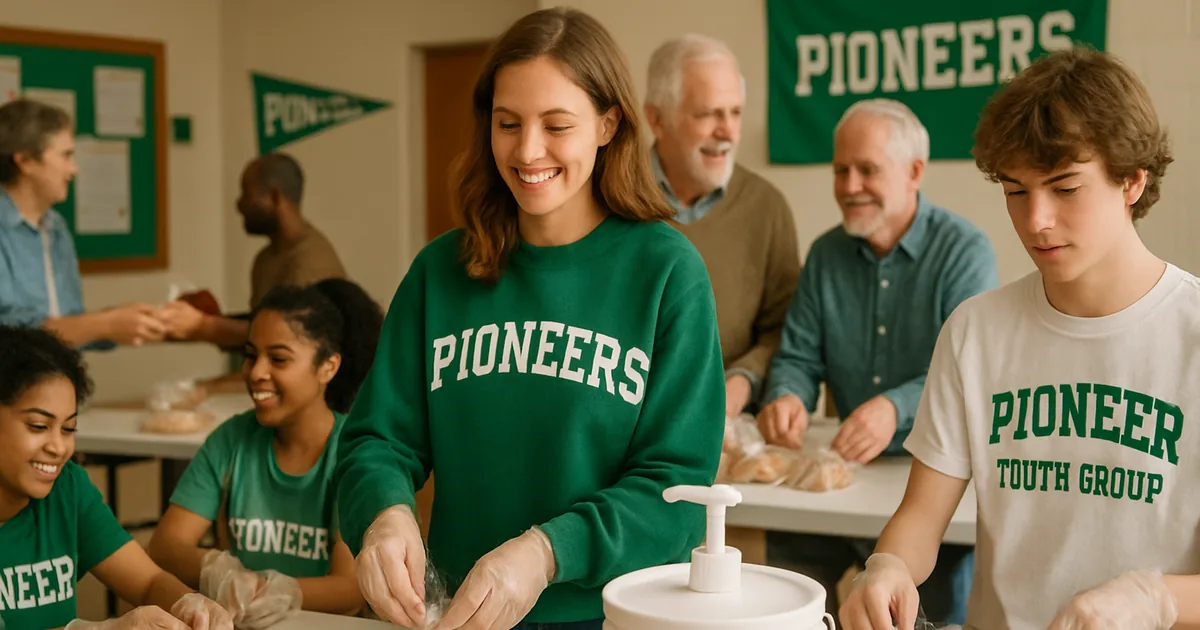
The best fit for a church balances supporter interest, ministry values, projected net proceeds, and volunteer capacity. Bake sales, service events, donations, and household-product campaigns are options with different costs and responsibilities. A necessity product may replace a planned purchase for an interested buyer, but no format guarantees higher results or eliminates financial exposure. These are planning options, not measured performance rankings.
Churches, youth groups, and ministries face a unique fundraising challenge: you need to raise real money for mission trips, building projects, outreach programs, and day-to-day operations, but you also want to honor the generosity of your congregation without asking them to buy things they do not need or pay premiums they cannot afford.
A household-product campaign gives faith communities another way to invite support: offer a useful item at a clear price and use the margin for ministry. Check its value and logistics against your congregation’s needs rather than assuming it is cheaper or easier than every traditional option.
This guide covers the full range of church fundraising ideas, how traditional and modern approaches compare on reach and profit, what works best for youth groups versus whole congregations, the mistakes that quietly cost ministries thousands, and a clear recommendation for programs to evaluate.
- The best church fundraisers reach a wide range of supporters, align with your ministry's values, and are simple enough for volunteers to manage.
- Necessity products are an option for supporters who already want the product; compare demand and costs with other formats.
- Food sales and household-product campaigns both depend on interested buyers and a workable handling plan.
- No-upfront-cost programs reduce advance-inventory risk, which matters for ministries operating on tight budgets.
- Youth groups benefit most from programs where students can participate meaningfully without door-to-door selling.
- The most successful church fundraisers give supporters real value — a useful product at a fair price — rather than asking for donations disguised as sales.
What makes a good church fundraiser?
Before comparing specific programs, it helps to have a framework. The fundraisers that work best for churches and ministries tend to score well on five factors: how many people in your congregation and community will actually participate, whether the program aligns with your values around stewardship and generosity, how much profit you keep per sale, whether there is any upfront cost or financial risk, and how much volunteer time and complexity the program requires.
A bake sale can fit a church well, but budget for ingredients, baking, setup, staffing, and cleanup. A household-staple program has different work: collecting paid orders, arranging bulk delivery, and distributing products. Compare demand and net proceeds rather than assuming either format wins on all five factors.
What are the most common church fundraising ideas?
Many churches use a handful of familiar programs, and while they can work, each carries trade-offs that can affect how much you raise or how hard your volunteers have to work.
Traditional church fundraisers
Bake sales, car washes, spaghetti dinners, and craft fairs can bring a community together. Budget their supplies, staffing, and setup, and estimate attendance before relying on them for a funding goal. An event’s format alone does not determine its return.
Seasonal festivals and holiday bazaars may need longer planning and more volunteers. They can serve both community and fundraising goals when the expected receipts and workload justify them.
Food and treat fundraisers
Cookie dough, candy, popcorn, and similar products can work when supporters want them at the offered price. Check actual local demand rather than assuming that older members, grandparents, or households without children will not buy treats.
Frozen cookie dough requires cold storage and a suitable pickup schedule; shelf-stable snacks have different handling requirements. Include those requirements in your volunteer plan and expense budget.
Donation and pledge campaigns
A direct appeal needs a clear purpose, payment collection, and donor records, but no product distribution. Check fees and payout timing when using a giving platform.
Pledge drives require follow-up, and pledged amounts are not collected cash. Product campaigns offer a different participation option; compare the likely response and costs before choosing either.
Why necessity-based fundraisers work better for churches
Necessity products can work for buyers who want the item at its offered price. They do not automatically outperform other approaches or solve every fundraising problem.
A bulk detergent offer may replace a planned purchase for a household that wants the size and formula. At $49.95 for 640 fluid ounces, the product costs about 7.8 cents per fluid ounce before fees. Compare current alternatives and label dosing; per-ounce price alone does not establish savings per load.
GCF detergent does not require a freezer, but bulk buckets still need safe storage, unloading, and distribution. The group receives the shipment at a commercial address and organizes pickup. Repeat demand depends on supporters’ needs and experience.
How do church fundraisers compare on profit?
For a product campaign, estimate net proceeds as active sellers × average units sold × margin per unit, less additional group expenses. Participation, sales per seller, and the applicable order tier all matter; none guarantees the total by itself.
The published customer price is $49.95 per 5-gallon pump bucket (online orders add $2). Before additional group expenses, the margin is $13.45 at 100–299 buckets, $14.45 at 300–499, and $15.45 at 500+. The minimum order is 50 buckets; shipping is free at 100+, while shipping below 100 reduces the margin. Illustrative calculation, not a reported campaign result: 240 buckets × $13.45 = $3,228.00 retained before additional group expenses. This uses the tier for one 240-bucket order; actual sales and costs determine the final result.
What works best for youth groups specifically?
Youth group fundraisers face an additional constraint: the program has to be something students can participate in meaningfully without putting them in uncomfortable or unsafe situations. Door-to-door selling raises safety and liability concerns for many groups, and high-pressure sales tactics may not align with how ministries want to form young people.
The best youth group fundraisers let students reach their own networks — family, neighbors, church members, parents' coworkers — with a product that is easy to explain and genuinely useful. A household necessity like laundry detergent can work when students can approach adults with confidence, knowing they are offering something useful rather than asking for a favor. It can also teach stewardship and entrepreneurship in a way that aligns with ministry values, as long as supporters want the product and the purchase stays voluntary.
How important is the no-upfront-cost factor for churches?
For ministries operating on tight budgets, a no-upfront-cost structure can be the deciding factor. Some catalog and food fundraisers require the church to order inventory in advance, which means if the campaign underperforms, the ministry could be left with unsold product and out the money. Compare each vendor’s payment terms; that financial risk may be a non-starter for smaller churches and youth groups.
There is no payment to start. Collect orders and supporter payments, then submit a paid group order. Allow two to three weeks for selling plus about two weeks after the paid order for fulfillment. Your team arranges a commercial delivery address, unloading, and distribution; a loading dock or forklift is recommended. No payment to start reduces speculative inventory exposure; it does not eliminate expenses or the order minimum.
What about online and hybrid fundraising?
Online giving can make participation convenient for some supporters. It still needs a clear appeal, communication, and payment records; ask your congregation about preferences rather than assuming an online-only campaign performs worse.
One option is a hybrid model: a product-based fundraiser with a clear in-person kickoff and personal outreach, supported by online ordering options for supporters who prefer that convenience. This can combine personal engagement with convenience for supporters who want to order digitally.
| Factor | Traditional Fundraisers | Necessity Programs |
|---|---|---|
| Buyer pool | Event or product buyers | Interested households |
| Volunteer time | Plan event staffing | Orders and distribution |
| Perishability | Depends on product | No freezer; safe storage |
| Upfront cost | Depends on program | GCF: paid preorder |
| Supporter value | Check offered price | Compare price and dose |
| Profit per sale | Budget net proceeds | GCF: $13.45–$15.45* |
Common mistakes to avoid
Choosing fundraisers that require too much volunteer time
Bake sales and events can work, but they burn out volunteers fast. If your fundraiser requires a dozen people for a Saturday, you will struggle to repeat it.
Asking supporters to buy things they do not need at inflated prices
A product should make sense at the offered price. Explain the size, price, and use honestly, and let supporters decide whether it fits their budget rather than promising savings or an easier ask for everyone.
Taking on inventory risk your ministry cannot afford
Fronting money for product before you have orders is a financial risk many churches should not take. No-upfront-cost programs exist — use them.
Running campaigns that drag on for months
Set a clear selling deadline that fits your calendar. GCF recommends two to three weeks of selling, followed by about two weeks of fulfillment after the paid order; allow additional time for setup and pickup.
Skipping a real kickoff
A kickoff gives people a shared start, a clear goal, and instructions. Follow it with friendly reminders, while keeping participation voluntary.
Not communicating the 'why' clearly
Supporters give more generously when they understand exactly what the funds will support. A vague 'youth group expenses' may raise less than 'mission trip to serve in Appalachia.'
- Good Clean Fundraising — published customer price, online surcharge, and order-volume margins. Pricing.
- Good Clean Fundraising — minimum order, selling window, paid-order lead time, delivery responsibilities, and advertised guarantee. How it works.
- Product comparisons and campaign-planning suggestions are editorial guidance, not measured performance rankings. Illustrative calculations use the published GCF tier for one order and exclude additional group expenses.
Our recommendation for churches and youth groups
For churches interested in a household-staple program, Good Clean Fundraising is an option to consider. The published customer price is $49.95 per 5-gallon pump bucket (online orders add $2). Before additional group expenses, the margin is $13.45 at 100–299 buckets, $14.45 at 300–499, and $15.45 at 500+. The minimum order is 50 buckets; shipping is free at 100+, while shipping below 100 reduces the margin. Your team manages collections and distribution; GCF supplies materials and support. GCF refunds a dissatisfied supporter directly, and the group keeps its earned profit. Ask GCF about return costs and refund procedures for your campaign after registration.
Frequently asked questions
Choose from supporter interest, ministry fit, net proceeds, and workload. Household products, events, and direct giving can each fit different needs; this guide does not establish a universal winner.
Set your target using expected units and the applicable order tier, then subtract additional expenses. Illustrative calculation, not a reported campaign result: 240 buckets × $13.45 = $3,228.00 retained before additional group expenses. This uses the tier for one 240-bucket order; actual sales and costs determine the final result.
Youth groups need fundraisers that students can participate in meaningfully without door-to-door selling or high-pressure tactics. A household-necessity program can work when students can approach family, neighbors, and church members with confidence, knowing they are offering something useful at a stated price rather than asking for a favor.
Food and necessity fundraisers both depend on local demand, price, and handling requirements. Frozen cookie dough needs cold storage; shelf-stable snacks and detergent have different storage needs. Compare actual program terms rather than assuming one category always raises more.
There is no payment to start. Collect orders and supporter payments, then submit a paid group order. Allow two to three weeks for selling plus about two weeks after the paid order for fulfillment. Your team arranges a commercial delivery address, unloading, and distribution; a loading dock or forklift is recommended. Budget for any extra costs; no payment to start does not mean no financial exposure.
GCF recommends two to three weeks of selling plus about two weeks of fulfillment after a paid order. Add setup and pickup time. Other events and donation campaigns need schedules based on their own costs, staffing, and payout terms.
A necessity fundraiser sells practical household products, such as detergent, and uses the margin for the ministry. Buyers should compare price, size, and product suitability with their usual purchase; savings and participation are not guaranteed.
Participation can improve when you communicate a clear goal and deadline, offer a product supporters actually want at a fair price, and hold a real kickoff so everyone starts on the same day. People are more likely to participate when they understand exactly what the funds will support and when the ask feels reasonable rather than awkward.
Yes. A small church can choose a campaign that fits its volunteers and interested buyers. For GCF, check that expected sales can meet the 50-bucket minimum and account for shipping below 100; congregation size alone does not predict results.
The Good Clean Fundraiser is GCF’s bulk laundry-detergent program. The published customer price is $49.95 per 5-gallon pump bucket (online orders add $2). Before additional group expenses, the margin is $13.45 at 100–299 buckets, $14.45 at 300–499, and $15.45 at 500+. The minimum order is 50 buckets; shipping is free at 100+, while shipping below 100 reduces the margin. There is no payment to start. Collect orders and supporter payments, then submit a paid group order. Allow two to three weeks for selling plus about two weeks after the paid order for fulfillment. Your team arranges a commercial delivery address, unloading, and distribution; a loading dock or forklift is recommended. GCF refunds a dissatisfied supporter directly, and the group keeps its earned profit. Ask GCF about return costs and refund procedures for your campaign after registration.
Churches and ministries do not need to choose between raising real money and honoring their supporters. Necessity-based fundraisers let you do both — offering genuine value while funding your mission. When the product is something people already buy and the price is genuinely fair, fundraising stops feeling like an ask and starts feeling like a service.