
Church, Ministry & Youth Group Fundraising
Easy Church Fundraisers That Work
Simple, low-effort fundraising ideas that bring your congregation together and raise real money without burning out your volunteers.
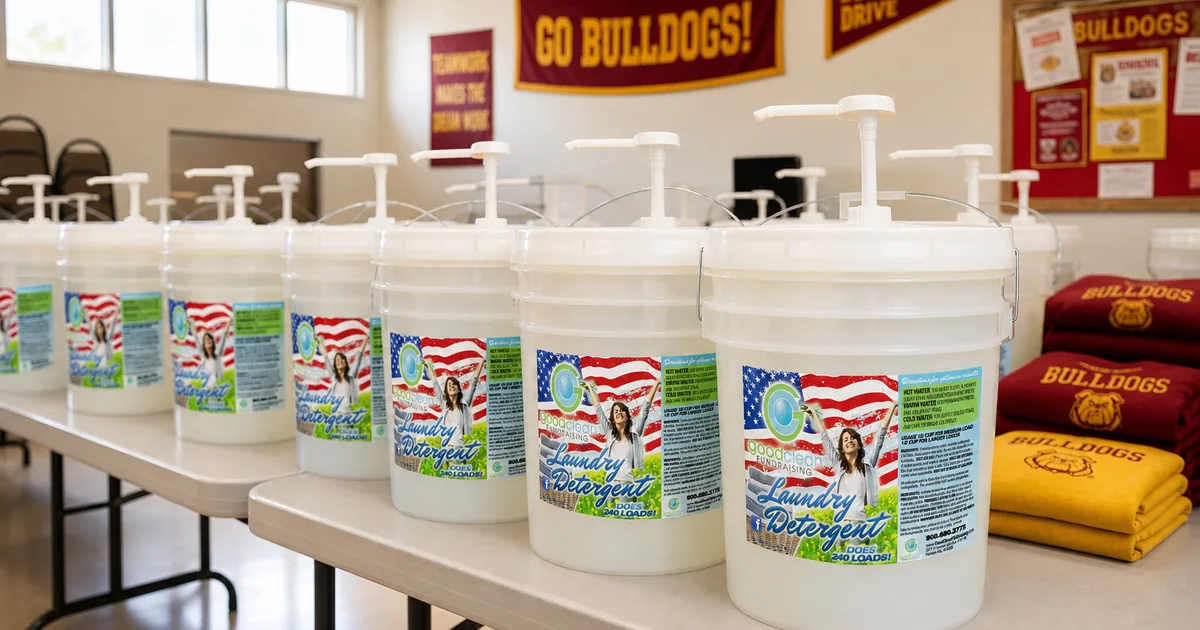
An easy church fundraiser fits the volunteers you actually have. Compare product preorders, an approved direct appeal, or a simple event by setup work, costs, payment timing, and distribution. GCF has no payment to start, but your team still manages paid orders and pickup; no program is established here as the easiest or highest-earning choice for every church. These are planning options, not measured performance rankings.
Church fundraisers often fail not because the cause lacks support, but because the program asks too much of too few people. A complicated event with a dozen moving parts might raise money, but it also burns out the volunteers who make it happen — and when those volunteers step back, the whole effort stalls.
The fundraisers that work over the long term are the ones that stay simple: clear goals, broad appeal, minimal logistics, and a structure that does not require a project manager to pull off. Easy does not mean low-effort in the sense of passive; it means the effort goes into communication and encouragement rather than managing inventory, coordinating volunteers for a multi-day event, or fronting money the church may not get back.
This guide covers what makes a church fundraiser genuinely easy to run, the types to evaluate without overwhelming your team, how to choose the right fit for your congregation, and the mistakes that turn a simple idea into a complicated mess.
- The easiest church fundraisers require minimal volunteer coordination, appeal broadly, and carry little or less advance-inventory risk.
- Product fundraisers built around household necessities offer an alternative to novelty items because supporters get real value and the ask feels natural.
- No-upfront-cost programs reduce advance-inventory risk, which is critical for smaller congregations and ministries on tight budgets.
- A defined selling window helps volunteers plan their commitment instead of facing a drawn-out campaign.
- Vendor guidance can help, but assign your own volunteers to payments, order checks, unloading, and distribution.
- Reaching supporters outside the congregation — extended families, neighbors, and coworkers — can broaden support beyond the same core givers.
- Simplicity wins: if you cannot explain the fundraiser in one sentence, it is too complex to run well.
What makes a church fundraiser easy to run?
Easy is not about the dollar amount raised — it is about how much friction sits between the idea and the payout. A fundraiser is easy when it requires few volunteers, minimal upfront planning, simple logistics, and little or less advance-inventory risk. The best ones also have built-in support from the vendor or program provider, so your team is not figuring out delivery, inventory, or payment collection on their own.
Three factors decide whether a fundraiser stays manageable or spirals into complexity: how many people need to coordinate to make it happen, whether the church has to front money or manage inventory, and how much explaining it takes to get people to participate. If any of those three becomes a burden, the fundraiser stops being easy no matter how good the idea sounds on paper.
What are the easiest types of church fundraisers?
The following are options to compare by buyer interest, costs, and volunteer duties. Choose the fit rather than treating the list as a measured ranking.
Household-necessity product fundraisers
Selling products people already buy — laundry detergent, cleaning supplies, paper goods — is one option to compare for churches. The appeal depends on demand, and because these are consumables, some families may reorder them whether or not there is a fundraiser. Repeat use does not by itself establish demand for a bulk offer or show that it is easier than other formats, so compare buyer interest and workload.
There is no payment to start. Collect orders and supporter payments, then submit a paid group order. Allow two to three weeks for selling plus about two weeks after the paid order for fulfillment. Your team arranges a commercial delivery address, unloading, and distribution; a loading dock or forklift is recommended. Non-food products still need safe storage and a practical pickup plan.
Online giving campaigns and donation drives
A straightforward donation campaign — whether through your church's website, a dedicated giving platform, or a simple email appeal — avoids product distribution, though fees, payouts, and donor records still need management. There is no product to manage, no delivery day, and no inventory risk. For churches with a digitally engaged congregation, this can be one of the fastest paths from idea to funds.
The trade-off is that donation fatigue is real. Supporters who give regularly may feel tapped out, and without a tangible product or event, it can be harder to reach people outside your core membership. Donation campaigns work best when tied to a specific, compelling project with a clear deadline and a visible impact — a new roof, a mission trip, a community program — rather than a vague general fund appeal.
Simple meal or bake sale fundraisers
A single-day meal — a pancake breakfast, a chili cook-off, a bake sale after service — can raise money with relatively little planning if you keep it contained. The key is to avoid turning it into a multi-week production: one event, one setup, one cleanup. Recruit a small team to handle food prep and sales, set a clear price, and keep the menu simple.
Meals and bake sales require food preparation and event staffing. Calculate revenue less all paid costs, then compare volunteer hours with a product campaign; the format alone does not determine profitability.
Seasonal and holiday-themed fundraisers
Tying a fundraiser to a holiday or season — Christmas wreaths, Easter flowers, back-to-school supplies — gives you a built-in reason to ask and a natural deadline. People are already in a buying mindset during these windows, which can make the ask feel more timely and less intrusive.
The challenge is that seasonal fundraisers are time-sensitive, so if your planning runs late or your delivery window is tight, the whole thing can fall apart. They also tend to be one-time purchases rather than repeat buys, which limits how much you can raise from the same base of supporters year after year.
How do you choose the right easy fundraiser for your church?
Start by asking three questions: how many active volunteers do we have, what is our budget for upfront costs, and who are we trying to reach? A small church with a handful of volunteers should favor a no-upfront-cost product program with vendor support; a larger congregation with a strong event-planning culture might lean toward a meal or community gathering. The wrong choice is not usually a bad fundraiser — it is a mismatch between the program and your team's capacity.
Ask your supporters which ordering and giving methods they prefer. Provide an accessible paper, phone, or online route as appropriate rather than predicting digital participation from age alone.
How long should an easy church fundraiser run?
GCF recommends two to three weeks of selling plus about two weeks for fulfillment after a paid order. Add setup and pickup time. This is a program schedule, not evidence that all successful church fundraisers take two to four weeks.
A defined timeline also makes it easier to recruit volunteers. People are more willing to commit to a focused two-week effort than an open-ended project with no clear finish line. Treat the deadline as firm, and you may see stronger participation and a cleaner wrap-up.
What are the most common mistakes with easy church fundraisers?
Even simple fundraisers can go sideways if you miss a few key details. Here are the mistakes that turn an easy idea into a hard one.
Common mistakes to avoid
Choosing a fundraiser that requires too many volunteers
If you need a dozen people to pull it off and you only have five reliable volunteers, the staffing plan needs adjustment. Match the program to your actual capacity, not your ideal one.
Picking a product with narrow appeal
Novelty items and niche products can limit your buyer pool to a small group, which may cap how much you can raise. Household necessities reach interested supporters.
Leaving the timeline open-ended
Fundraisers without a firm deadline lose momentum fast. Set a clear end date and stick to it, even if a few stragglers want more time.
Fronting money the church cannot afford to lose
Upfront-cost programs put the financial risk on your congregation. If the campaign underperforms, the church is stuck with unsold inventory and a budget shortfall.
Skipping a real kickoff
When people start whenever they feel like it, some may delay starting. A single kickoff day — whether in person or via email — can help everyone start together.
Overcomplicating the ask
If it takes more than one sentence to explain what people need to do, the fundraiser is too complex. Simplicity drives participation.
- Good Clean Fundraising — published customer price, online surcharge, and order-volume margins. Pricing.
- Good Clean Fundraising — minimum order, selling window, paid-order lead time, delivery responsibilities, and advertised guarantee. How it works.
Our recommendation
For a household-staple campaign your team can manage, Good Clean Fundraising is an option. The published customer price is $49.95 per 5-gallon pump bucket (online orders add $2). Before additional group expenses, the margin is $13.45 at 100–299 buckets, $14.45 at 300–499, and $15.45 at 500+. The minimum order is 50 buckets; shipping is free at 100+, while shipping below 100 reduces the margin. There is no payment to start. Collect orders and supporter payments, then submit a paid group order. Allow two to three weeks for selling plus about two weeks after the paid order for fulfillment. Your team arranges a commercial delivery address, unloading, and distribution; a loading dock or forklift is recommended. GCF refunds a dissatisfied supporter directly, and the group keeps its earned profit. Ask GCF about return costs and refund procedures for your campaign after registration.
Frequently asked questions
Choose from your volunteers, interested supporters, and deadline. A product preorder needs payments and distribution, a direct appeal needs promotion and records, and a meal needs staffing and supplies. For GCF, account for the 50-bucket minimum and shipping below 100.
Household-product sales, direct giving, and simple meal events are options to compare using your team’s budget and capacity. Illustrative calculation, not a reported campaign result: 150 buckets × $13.45 = $2,017.50 retained before additional group expenses. This uses the tier for one 150-bucket order; actual sales and costs determine the final result.
There is no payment to start. Collect orders and supporter payments, then submit a paid group order. Allow two to three weeks for selling plus about two weeks after the paid order for fulfillment. Your team arranges a commercial delivery address, unloading, and distribution; a loading dock or forklift is recommended. The minimum, shipping below 100, return costs, and other expenses still need planning.
Choose an age-appropriate fundraiser that students can explain, with adult supervision and voluntary participation. Adults should manage money and heavy products; students can share the cause with trusted contacts and help with thank-you notes.
GCF recommends two to three weeks of selling plus about two weeks of fulfillment after a paid order. Add time for setup and pickup. Choose dates that fit your ministry’s deadline and volunteers rather than assuming a short campaign always raises more.
Ask members which ordering and giving methods they prefer, and provide paper, phone, or online access as appropriate. Arrange adults capable of unloading and moving heavy buckets if choosing a bulk product; do not assume preferences or ability from age alone.
Give people a clear goal, an easy way to participate, and a short deadline. Participation may improve when the product is something supporters actually want, when you hold a real kickoff so everyone starts on the same day, and when you send a couple of friendly reminders during the campaign. The ask should take less than a minute to explain, and the process should require minimal effort from participants.
Compare projected net proceeds, supporter preferences, and workload. Direct giving avoids products but requires an appeal and records; a product sale needs buyers and distribution. Either can be the primary campaign when it fits the church.
The Good Clean Fundraiser is GCF’s bulk detergent program. The published customer price is $49.95 per 5-gallon pump bucket (online orders add $2). Before additional group expenses, the margin is $13.45 at 100–299 buckets, $14.45 at 300–499, and $15.45 at 500+. The minimum order is 50 buckets; shipping is free at 100+, while shipping below 100 reduces the margin. There is no payment to start. Collect orders and supporter payments, then submit a paid group order. Allow two to three weeks for selling plus about two weeks after the paid order for fulfillment. Your team arranges a commercial delivery address, unloading, and distribution; a loading dock or forklift is recommended.
The easiest church fundraisers are the ones that do not ask your volunteers to become project managers. Pick a program with broad appeal, no upfront cost, and built-in logistical support, set a firm two-to-four-week timeline, and let simplicity do the work. When the ask is clear and the effort is manageable, participation may rise; review the results against your goal.