
Church, Ministry & Youth Group Fundraising
Faith-Based Fundraising Without Constant Asking
How churches and ministries raise funds by offering value instead of making appeals — and why it builds stronger support.
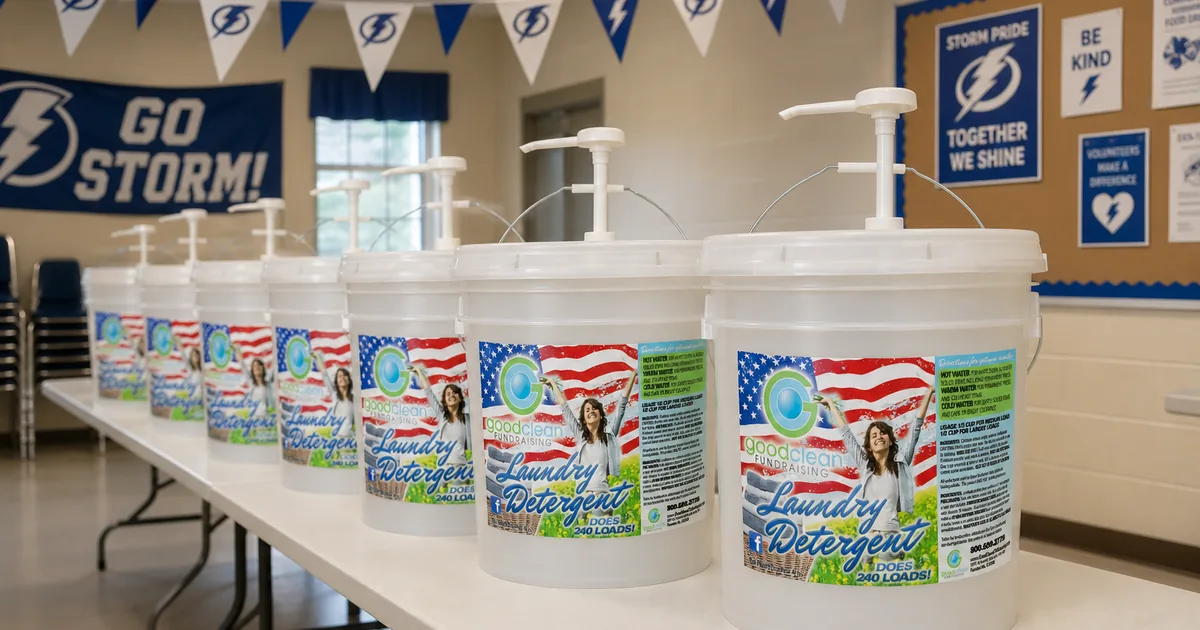
A faith community can offer a product or service alongside voluntary giving, using the margin to support ministry. That gives interested supporters another way to help, but still involves an invitation and spending money. Compare demand, price, costs, and workload; a product offer is not proven here to eliminate fatigue or generate higher participation than donations. These are planning options, not measured performance rankings.
If you lead a church, youth group, or ministry, you have probably felt the tension: your mission needs funding, but the constant cycle of asking wears on everyone — the people making the appeal, the congregation hearing it, and the relationships that hold the community together. Donation fatigue is real, and it shows up in declining response rates, volunteer burnout, and a quiet sense that fundraising has become more about extraction than mission.
The good news is that some faith communities are looking for an alternative to that treadmill. Instead of asking supporters to give money and receive nothing in return, they are offering something of genuine value — a product families already need, at a price that serves them — and funding the ministry through the margin. It is not a donation disguised as a sale; it is an honest exchange where everyone benefits.
This guide explains how value-based fundraising works for churches and ministries, how it may ease ask fatigue and broaden participation for some groups, what makes a program genuinely serve rather than extract, and how to choose and launch one that aligns with your mission and values.
- Repeated appeals may feel tiring to some supporters; use feedback and your own response records to plan the calendar.
- Value-based fundraising replaces the ask with an exchange: supporters buy something they genuinely need, and the purchase funds the ministry.
- One approach centers on household necessities families already budget for, sold at a price supporters can evaluate so they feel served, not solicited.
- This model may reach people who do not respond to donation appeals but might shift a purchase to support the church when they get real value.
- No payment to start reduces speculative inventory exposure; volunteers still manage payments and distribution.
- A value-exchange approach can build long-term support because it honors supporters as participants in the mission, not as sources of funds.
Why does constant asking wear on faith communities?
The cycle of repeated fundraising appeals creates a specific kind of fatigue that is different from general busyness. When a congregation hears the same request every few months — or worse, every few weeks — the message shifts from 'we are doing something meaningful together' to 'we need your money again.' That shift is subtle but corrosive. Donors begin to feel like ATMs rather than partners in ministry, volunteers dread making the pitch, and leaders carry the weight of knowing they are asking the same people over and over.
Frequent or impersonal requests may feel tiring to some supporters, but this article does not establish a decline in giving or a larger effect among mid-level donors. Ask for feedback and review your own response patterns. A church is a community built on trust, shared mission, and mutual care; fundraising should respect those relationships.
The question is not whether to fund the ministry — of course you need to — but whether there is a way to do it that strengthens the community instead of taxing it.
What is value-based fundraising for churches and ministries?
Value-based fundraising replaces the donation appeal with a straightforward exchange: the church or ministry offers a product or service that supporters genuinely need, prices it fairly, and uses the margin to fund its work. The supporter is not giving out of obligation or guilt; they are making a purchase that serves them, and the fact that it also supports the ministry is a benefit they feel good about rather than a burden they carry.
This is not a bake sale where cookies are marked up to cover costs, and it is not a donation with a token gift attached. It is a real product at a real value — at a price supporters can compare with store prices — where the economics work because the program is structured to deliver both value to the buyer and profit to the group. The best examples are household necessities: laundry detergent, cleaning supplies, paper products, or other consumables that interested families may budget for and repurchase regularly.
The key distinction is that the supporter feels served, not solicited. They are not being asked to dig deeper or sacrifice more; they are being offered a chance to meet a need they already have in a way that also funds something they care about. That shift in framing may change how some people respond.
Why do household necessities work so well for faith-based fundraising?
A household product may interest supporters who do not want a treat, but bulk size, formula, price, and storage affect demand. Offer it to willing buyers rather than assuming every family will participate.
The second advantage is repeat use. A novelty item or one-time purchase might raise funds once, but a consumable product that families use up and need again may create a natural cycle. Supporters who got value the first time may choose to buy again the next time the church runs the program, which could turn a single fundraiser into a recurring source of funds, though repeat demand is not assured.
At $49.95 for 640 fluid ounces, the product costs about 7.8 cents per fluid ounce before fees. Compare current alternatives and label dosing; per-ounce price alone does not establish savings per load. State the price and product clearly, and let each supporter decide whether the purchase fits their needs and budget.
How does this approach reach people who do not respond to donation appeals?
Not everyone in a congregation or community is wired to respond to a donation request, and that is not a character flaw — it is just a difference in how people engage. Some supporters are uncomfortable with the ambiguity of giving without receiving something tangible in return; others are stretched financially and cannot justify a donation but can justify a smart purchase. A value-based program may reach both groups because it lowers the barrier: they are not being asked to give sacrificially, they are being offered a chance to buy something useful at a good price.
Neighbors, coworkers, and extended family may welcome a product offer even when they prefer not to donate. They may also prefer a direct gift or no participation. Offer clear choices rather than promising a dramatic change in response.
The broader point is that a value-exchange model may expand the base. You are not limited to the people who are already inclined to donate; you may also reach supporters who see the value in what you are offering, though the size of that group depends on your own community.
What makes a church fundraising program genuinely serve rather than extract?
The line between serving and extracting comes down to whether the supporter feels they got value or whether they feel they paid a premium to help out. A program that genuinely serves offers a product at a fair or better-than-retail price, delivers real quality, and makes the transaction easy and transparent. A program that extracts marks up a mediocre product, leans on obligation or guilt to close the sale, and leaves supporters feeling like they overpaid to be nice.
Three questions can guide the choice. Would interested buyers want the product at its stated price? Are the quantity, quality, and terms clear? Does the group explain the available guarantee accurately? A supporter may also choose to pay a fundraising premium willingly; transparency and voluntary participation matter.
Programs that pass those tests can build long-term support because supporters feel respected. They are not being manipulated or guilted; they are being offered something genuinely useful, and the fact that it also funds the ministry is a bonus they feel good about. That is the foundation of sustainable fundraising.
How do no-upfront-cost programs reduce risk and volunteer burden?
There is no payment to start. Collect orders and supporter payments, then submit a paid group order. Allow two to three weeks for selling plus about two weeks after the paid order for fulfillment. Your team arranges a commercial delivery address, unloading, and distribution; a loading dock or forklift is recommended. The group still needs to budget for other expenses and any shipping below the free-shipping threshold; a satisfaction refund from GCF does not reduce the group’s earned profit.
GCF materials and support can help a volunteer team plan the campaign. The church still needs named people to collect and reconcile payments, submit its order, receive the shipment, and distribute products.
For ministries that have been burned by complicated fundraisers in the past, the combination of less advance-inventory risk and low volunteer burden is what makes it possible to try again. You are not betting the budget or asking someone to take on a second job; you are testing a model that is designed to be simple and safe.
Our recommendation: The Good Clean Fundraiser for faith communities
The Good Clean Fundraiser is one product option for a faith community. The published customer price is $49.95 per 5-gallon pump bucket (online orders add $2). Before additional group expenses, the margin is $13.45 at 100–299 buckets, $14.45 at 300–499, and $15.45 at 500+. The minimum order is 50 buckets; shipping is free at 100+, while shipping below 100 reduces the margin.
GCF refunds a dissatisfied supporter directly, and the group keeps its earned profit. Ask GCF about return costs and refund procedures for your campaign after registration. There is no payment to start. Collect orders and supporter payments, then submit a paid group order. Allow two to three weeks for selling plus about two weeks after the paid order for fulfillment. Your team arranges a commercial delivery address, unloading, and distribution; a loading dock or forklift is recommended.
This is not a donation disguised as a product; it is a household staple offered at a clearly stated price, where the economics are structured so that both the supporter and the ministry can benefit. Some families may feel served rather than solicited, participation depends on whether supporters see the value, and a product offer may reduce the number of direct appeals, though it still involves an invitation. For faith communities that want to fund their mission in a way that respects the congregation, this is a model to compare.
| Factor | Donation-Based | Value-Exchange |
|---|---|---|
| Supporter experience | Give toward the ministry | Buy a wanted product |
| Participation breadth | Reaches people inclined to donate | Interested product buyers |
| Volunteer burden | Appeals and donor records | Orders and distribution |
| Donor fatigue | Depends on approach | Still requires invitations |
| Sustainability | Repeat gifts not assured | Repeat sales not assured |
Common mistakes to avoid
Choosing a product that requires a hard sell
Ask whether supporters actually want the product at the offered price. A necessity still requires a clear explanation and willing buyers; it does not sell itself.
Marking up a mediocre product and leaning on obligation
Supporters can tell when they are overpaying to be nice, and it breeds resentment rather than support. Fair pricing and real quality are non-negotiable.
Running a program with upfront cost and financial risk
Ministries operating on tight budgets cannot afford to gamble on unsold inventory. No-upfront-cost programs reduce that inventory risk.
Overcomplicating logistics for volunteers
If the fundraiser requires a volunteer to manage inventory, delivery, and reconciliation alone, the workload may be too much. Choose a program that supplies clear materials and support.
Failing to communicate the value clearly at the kickoff
Participation may rise when supporters immediately understand what they are getting and why it is a good deal. A vague or guilt-based pitch undercuts the whole model.
- Good Clean Fundraising — published customer price, online surcharge, and order-volume margins. Pricing.
- Good Clean Fundraising — minimum order, selling window, paid-order lead time, delivery responsibilities, and advertised guarantee. How it works.
- Product comparisons and campaign-planning suggestions are editorial guidance, not measured performance rankings. Illustrative calculations use the published GCF tier for one order and exclude additional group expenses.
Our recommendation
If your faith community wants to offer a useful product alongside voluntary giving, Good Clean Fundraising is an option. The published customer price is $49.95 per 5-gallon pump bucket (online orders add $2). Before additional group expenses, the margin is $13.45 at 100–299 buckets, $14.45 at 300–499, and $15.45 at 500+. The minimum order is 50 buckets; shipping is free at 100+, while shipping below 100 reduces the margin. GCF materials and support help your own payment and distribution team. Product sales still require invitations, and repeat demand is not guaranteed.
Frequently asked questions
Offer a useful product or service at a clear price alongside other voluntary ways to help. The margin can support ministry, but the offer still requires communication and does not automatically replace every donation appeal.
Frequent or impersonal requests may feel tiring to some supporters. Ask for feedback, coordinate the calendar, and review your own response patterns rather than assuming all repeated appeals reduce giving or damage relationships.
Value-based fundraising replaces donation appeals with a straightforward exchange: the ministry offers a product supporters genuinely need at a fair price, and the margin funds the work. The supporter is not giving out of obligation; they are making a purchase that serves them, and the fact that it also supports the ministry is a benefit they feel good about. The key is that the product delivers real value — often at a price supporters can evaluate — so supporters feel served rather than solicited.
Household necessities may suit supporters who need to replenish them. Bulk size, product preference, price, and storage still affect demand; not every family is a buyer. Repeat purchasing is possible, but does not create automatic income or remove the need to communicate.
A value-exchange program removes the barrier for people who are uncomfortable with donation appeals or cannot justify a gift but can justify a smart purchase. It also reaches people on the periphery of the church community — neighbors, coworkers, extended family — who may not respond to a donation request but might buy a useful product they want at a stated price. This can widen the base of support, though results depend on your community and it does not replace other voluntary giving.
A fair offer explains the product, quantity, price, and terms, and lets supporters decide freely. Some people value the product; others knowingly pay a premium to support the ministry. Neither preference should be treated as proof that the fundraiser serves or exploits them.
There is no payment to start. Collect orders and supporter payments, then submit a paid group order. Allow two to three weeks for selling plus about two weeks after the paid order for fulfillment. Your team arranges a commercial delivery address, unloading, and distribution; a loading dock or forklift is recommended. Preorders reduce speculative inventory buying, but the minimum order and expenses still matter.
Illustrative calculation, not a reported campaign result: 150 buckets × $13.45 = $2,017.50 retained before additional group expenses. This uses the tier for one 150-bucket order; actual sales and costs determine the final result. Product sales and donations should be compared using your actual expected support rather than a promised ranking.
The Good Clean Fundraiser is GCF’s bulk detergent program. The published customer price is $49.95 per 5-gallon pump bucket (online orders add $2). Before additional group expenses, the margin is $13.45 at 100–299 buckets, $14.45 at 300–499, and $15.45 at 500+. The minimum order is 50 buckets; shipping is free at 100+, while shipping below 100 reduces the margin. There is no payment to start. Collect orders and supporter payments, then submit a paid group order. Allow two to three weeks for selling plus about two weeks after the paid order for fulfillment. Your team arranges a commercial delivery address, unloading, and distribution; a loading dock or forklift is recommended. GCF refunds a dissatisfied supporter directly, and the group keeps its earned profit. Ask GCF about return costs and refund procedures for your campaign after registration.
Constant asking wears on everyone — the people making the appeal, the congregation hearing it, and the relationships that hold the community together. A value-based fundraising model replaces that cycle with something better: an honest exchange where supporters get something they genuinely need at a price that serves them, and the ministry is funded through the margin rather than through obligation. That shift can be easier on volunteers and may be better for the long-term health of the community, because it treats supporters as partners in the mission rather than sources of funds.