
Clubs, Nonprofits & Community Organizations
Fundraising Ideas for Small Groups: What Works When You Have Fewer People
Small groups can raise serious money with the right approach — here's how to pick fundraisers that work with limited volunteers and still hit your goal.
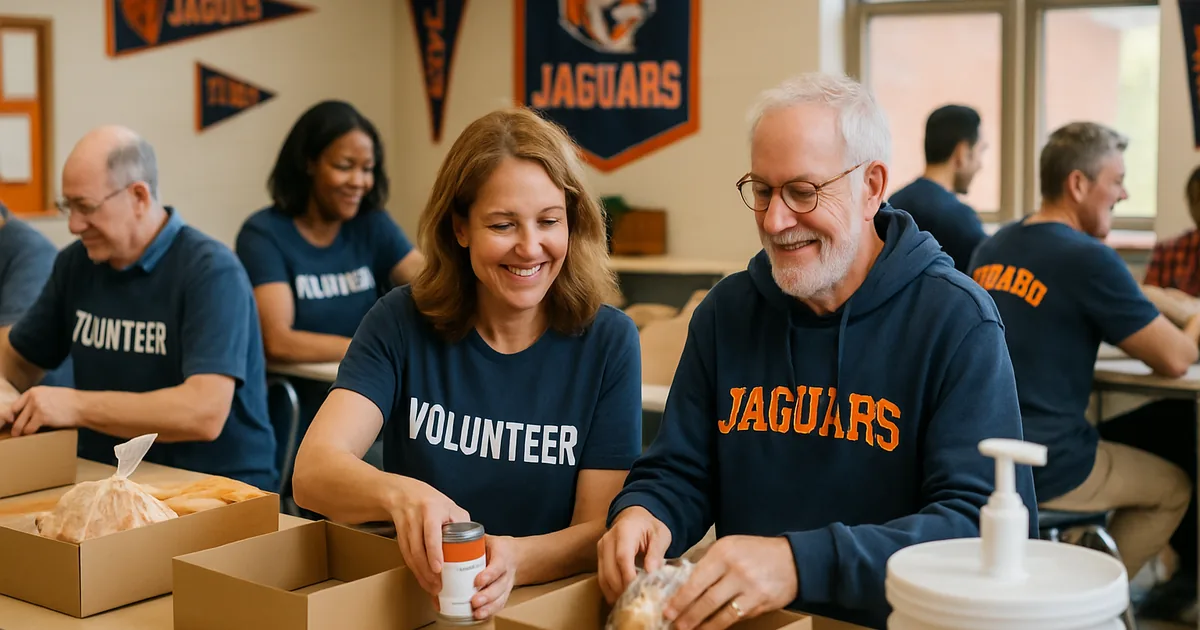
Small groups should compare fundraisers by expected net proceeds, active participants, and the work a few people can complete. Household-staple preorders, online giving, sponsorships, and a small dinner or auction are options. A product sale still needs payment and distribution work; an online appeal still needs promotion. Choose from your audience and capacity rather than assuming one category always raises the most.
When your group is small — a startup nonprofit, a niche club, a team with only a handful of active families — the usual fundraising advice stops working. Most guides assume you have dozens of volunteers to staff a car wash or hundreds of families to blanket a neighborhood with catalog orders. You don't, and that changes everything.
A small group can work toward a meaningful goal by choosing a fundraiser that fits its people and audience. Greater reach per seller can help, but it does not guarantee the same total as a larger group; units sold, margins, and costs all matter.
This guide covers the fundraising ideas that work best when you have fewer people, how to calculate what's realistic for your size, the mistakes small groups make when they try to scale up too fast, and how to structure a campaign so a handful of committed participants can hit a serious goal.
- Balance reach per seller with recruiting enough people for sales and logistics.
- Test household-staple demand alongside food, novelty, and donation options.
- Online appeals avoid product handling but still need promotion, records, and donor support.
- Single-event fundraisers like auctions or dinners concentrate effort into one date and avoid the volunteer-intensive logistics of multi-day events.
- Check staffing and projected receipts before choosing a labor-intensive event.
- Calculate your goal as dollars per active participant, not total dollars, to pick a program your group can actually execute.
- A product your network wants can help a small team; group size alone does not predict the outcome.
Why do most fundraising ideas fail for small groups?
Most fundraising programs are built for scale — they assume you have enough volunteers to staff shifts, enough families to distribute catalogs widely, or enough participants to make a per-person average add up to a meaningful total. When your group is small, those assumptions break down fast.
If a car wash needs eight people on a shift and only six can help, reduce its scale or choose another format. A twelve-person catalog sale also needs its own sales and margin calculation; it is not automatically too small to be worthwhile.
The other problem is volunteer burnout. In a small group, the same few people end up doing everything, and a fundraiser that requires constant hands-on work — bake sales, concession stands, multi-day events — exhausts that core team fast. By the second or third fundraiser of the year, participation may decline.
What makes a fundraiser work well for small groups?
The best small-group fundraisers share four traits: they maximize reach per participant, they require minimal volunteer coordination, they avoid labor-intensive logistics, and they offer strong per-unit profit so fewer sales still add up to a real total.
Reach per participant matters, but it needs a local estimate. Detergent, popcorn, and other products may appeal to different people in your network. Ask likely buyers before assuming one seller can reach twenty households rather than five.
Programs that require inventory, delivery, or volunteer oversight need a clear staffing plan. Online giving avoids product handling, while preorders reduce speculative purchases but still require receiving and distribution.
Per-unit margin matters alongside order volume. As an illustration, ten active sellers averaging fifteen GCF buckets would sell 150 and retain $2,017.50 before additional expenses. Fifteen is a planning assumption, not a typical result.
What are the best fundraising ideas for small groups?
Here are categories to compare when volunteer time is limited; they are not a measured ranking.
Household-necessity product fundraisers
Household staples such as detergent, cleaning products, and paper goods are worth considering when supporters want them. Check the specific formula, bulk size, price, and pickup requirements rather than assuming universal demand.
A preorder sale reduces speculative inventory purchases. Assign promotion, payments, receiving, and distribution before deciding how many helpers it needs.
GCF's 5-gallon pump bucket sells for $49.95 (online orders add $2). The published margin is $13.45 per bucket at 100–299 buckets, $14.45 at 300–499, and $15.45 at 500+, before additional group expenses. The minimum order is 50 buckets; shipping is free at 100+, while shipping charges below 100 reduce the margin. There is no payment to start: collect supporter orders and payments, then submit the paid group order. GCF recommends 2–3 weeks of selling, followed by about two weeks after the paid order for fulfillment. Allow extra time for setup and distribution. A coordinator provides guidance; your group arranges a commercial delivery address, unloading, and supporter pickup.
No-inventory and online peer-to-peer programs
Donation-only programs, or programs where a supplier ships directly to buyers, can avoid product handling by the group; online ordering alone does not, since a program like GCF's delivers to the group for distribution. Any of them still requires promotion, records, and donor support. Peer-to-peer fundraising platforms let each participant create a personal page, share it with their network, and collect donations or orders digitally. After the organizer sets the campaign up, participants can share their pages independently, though the organizer still follows up and handles records.
Online giving can fit groups with supporters who are comfortable donating digitally. Repeat participation depends on mission, communication, and experience; it is not necessarily lower than repeat product purchases.
Single-event fundraisers: auctions, dinners, and ticketed events
A well-run auction, dinner, or ticketed event concentrates all your effort into one date, which works well for small groups because you're not sustaining volunteer energy over weeks. The key is to keep the event simple enough that your core team can execute it without burning out.
Silent auctions with donated items, small ticketed dinners, and community nights at local restaurants (where a percentage of sales goes to your group) are all manageable with a small volunteer base. Avoid large festivals or multi-day events that require constant staffing — those are built for big organizations with deep volunteer benches.
Sponsorships and direct-ask campaigns
Focused business sponsorships and direct appeals can support a specific project or operating need. Budget prospect research, outreach, and follow-up rather than assuming significant income with minimal hours.
The work is front-loaded (building the ask, identifying prospects, writing the pitch), but once the outreach is done, a small team can manage follow-up and acknowledgments without ongoing logistics.
How do you calculate a realistic fundraising goal for a small group?
Start with active sellers, then estimate average units per seller from your audience. Multiply by the applicable unit margin and subtract extra group costs. Check minimum-order and shipping requirements before treating the result as a target.
For an illustrative GCF sale, twelve active sellers averaging ten buckets would sell 120 buckets. At $13.45 each, that is $1,614 before additional expenses. If your target is higher, test whether more sellers, more units, a different program, or lower costs are realistic.
The most common mistake small groups make is setting a goal based on what they need rather than what their participant base can realistically deliver. A group of ten people cannot run a fundraiser that requires fifty volunteers, no matter how much they need the money. Match the program to your actual capacity, not your aspirational one.
What fundraising ideas should small groups avoid?
Avoid an event whose shifts or costs exceed your team's capacity. A small car wash or bake sale may work; a large festival may need more people than you can commit. Compare the actual plan rather than rejecting a category by name.
Catalog fundraisers with low per-item profit are also a poor fit. When each participant only sells a few items and the group keeps a small share of each sale, the total raised may not justify the effort, depending on your actual volume and costs. Small groups often benefit from programs where each sale counts for more.
A preorder program reduces the need to buy speculative inventory; it does not eliminate costs or financial risk. For GCF, collect orders and payments before submitting the paid group order, meet the 50-bucket minimum, and budget for shipping below 100 buckets and any local expenses.
| Factor | Household-Necessity Products | Labor-Intensive Events |
|---|---|---|
| Reach per participant | Check product demand | Check attendance and sponsors |
| Volunteer coordination | Orders, payments, pickup | Staff the required shifts |
| Logistics complexity | Preorders + distribution | Setup, shifts, cleanup |
Common mistakes to avoid
Picking a fundraiser built for large groups
Check whether a larger program can be scaled to your people and budget. A small group needs a workable plan for selling, payments, and delivery or event staffing.
Setting a goal based on need rather than capacity
Your group may need a large amount, but if your participant base can't realistically deliver it, you'll fall short and demoralize your volunteers. Match the goal to your actual capacity.
Choosing low-margin products that require high volume
Compare unit margin with likely volume and extra costs. A lower-margin product may still work if demand and workload fit your group; calculate the actual total.
Taking on upfront cost or financial risk
A preorder program reduces the need to buy speculative inventory; it does not eliminate costs or financial risk. For GCF, collect orders and payments before submitting the paid group order, meet the 50-bucket minimum, and budget for shipping below 100 buckets and any local expenses.
Running too many fundraisers in a year
Repeated campaigns can stretch the same helpers. One or two may be manageable, but choose frequency from demand and capacity rather than assuming fewer campaigns always earn more.
- GCF pricing — customer price, online surcharge, order tiers, and shipping. Calculations use the tier for a single group order and exclude additional group expenses. GCF how it works — 50-bucket minimum, selling period, paid-order lead time, commercial delivery and distribution, and advertised guarantee.
- Editorial scope — fundraiser comparisons and scheduling suggestions are planning judgments, not measured rankings or campaign results. Illustrative calculations do not predict participation.
Our recommendation for small groups
For a small group considering a household-staple sale, check order demand and delivery capacity before committing. GCF's 5-gallon pump bucket sells for $49.95 (online orders add $2). The published margin is $13.45 per bucket at 100–299 buckets, $14.45 at 300–499, and $15.45 at 500+, before additional group expenses. The minimum order is 50 buckets; shipping is free at 100+, while shipping charges below 100 reduce the margin. There is no payment to start: collect supporter orders and payments, then submit the paid group order. GCF recommends 2–3 weeks of selling, followed by about two weeks after the paid order for fulfillment. Allow extra time for setup and distribution. A coordinator provides guidance; your group arranges a commercial delivery address, unloading, and supporter pickup. GCF advertises a 100% money-back guarantee: GCF refunds dissatisfied supporters directly, and the group keeps its earned profit. Contact GCF for any remaining refund details.
Frequently asked questions
Compare household-staple preorders, online giving, sponsorships, and a small event. The best option fits the people who can help and the supporters likely to participate; no category automatically reaches more buyers or requires less work.
Use active sellers × average units sold × the applicable margin, less extra costs. As an illustration, twelve GCF sellers averaging ten buckets would sell 120 and retain $1,614 before additional group expenses. This is a calculation, not a forecast.
Avoid commitments beyond your staffing or budget. Check event shifts, product demand, minimum orders, shipping, and distribution before deciding; a small event or catalog sale can still be viable.
There is no universal minimum participant count. Ten active sellers averaging ten GCF buckets would reach 100 buckets and retain $1,345 before extra costs, but the sales average is an assumption. Check both buyer demand and enough help for delivery.
Product sales and events can both work. Compare expected receipts minus all costs, volunteer hours, and your audience's interest. A small event with donated resources may be easier to run than a large product delivery; there is no universal winner.
Choose an offer members can explain honestly: the price, product, purpose, deadline, and pickup details. Ask about interest, provide clear materials, and make participation manageable without promising effortless selling.
Yes, if you choose a program that maximizes reach per participant and offers strong per-unit profit. Small nonprofits often do better with focused, high-impact fundraisers — household-necessity products, sponsorship campaigns, or well-run single events — than with programs that require large volunteer bases. The key is matching the fundraiser to your actual capacity rather than trying to scale up a program built for big organizations.
For GCF, plan 2–3 weeks for selling and about two weeks for fulfillment after submitting the paid group order, plus setup and distribution. Set dates around your own calendar; the selling window is not the full campaign timeline.
Household staples are worth considering alongside treats, apparel, and direct giving. Ask your own supporters about price, product preferences, storage, and pickup: familiarity with detergent does not mean everyone wants a 5-gallon bucket. Coordinator support helps with planning and questions, but your group still promotes the sale, reconciles orders and payments, arranges commercial delivery and unloading, and distributes buckets. Assign those jobs before setting the campaign dates.
Small groups need fundraisers that fit their available people and audience. Check demand, costs, and duties, then set a goal from a realistic plan rather than assuming a small team will match a large group's total.