
Clubs, Nonprofits & Community Organizations
Club & Organization Fundraising Ideas: The Complete Guide
The fundraising strategies that work for clubs, nonprofits, and community organizations — from small volunteer groups to established nonprofits with recurring needs.
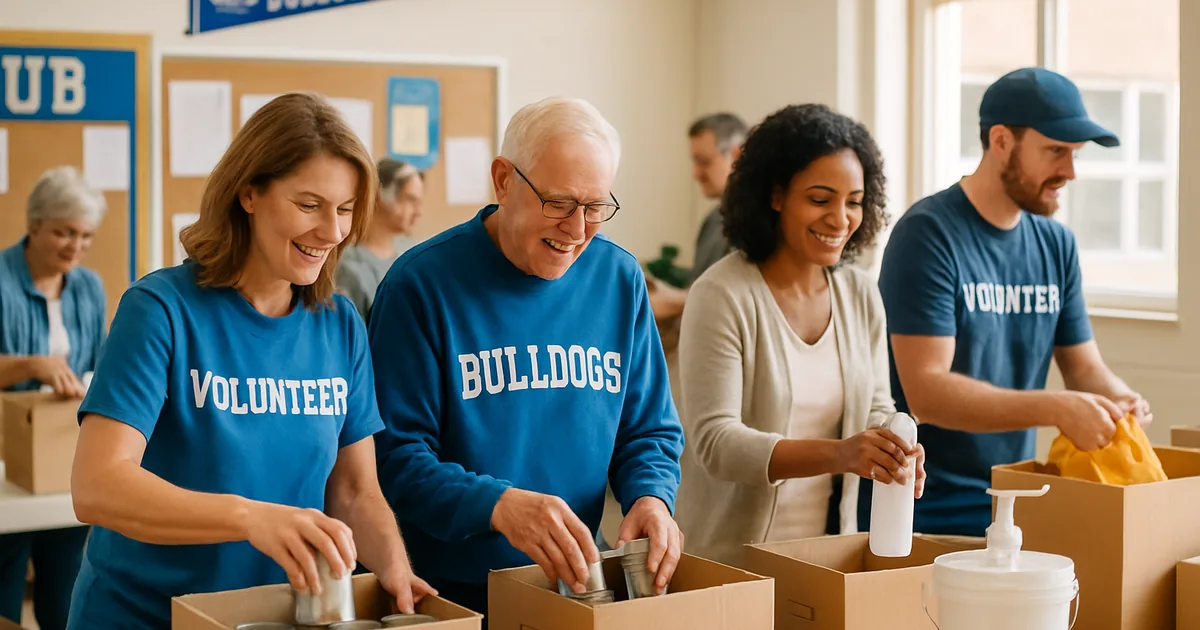
A useful club or organization fundraiser fits your volunteer time, gives supporters a clear reason to participate, and can reach beyond the core membership. Household-necessity products such as laundry detergent are one option alongside events and direct giving. Compare demand, net proceeds, and fulfillment duties before choosing; the categories below are planning options, not measured rankings. Repeat a campaign only when supporters and volunteers are ready for another one.
Clubs and nonprofit organizations face a fundraising challenge that's different from schools or sports teams: you often need to raise money multiple times a year, with a small core of volunteers, from a supporter base that may lose interest if asked to buy novelty items every few months.
The fundraisers that work in this environment are the ones that respect those constraints. They don't require a large volunteer army, they don't burn through goodwill, and they offer something supporters actually want rather than something they buy out of obligation. When a Rotary club, a community theater, or a nonprofit service organization finds a fundraiser that meets all three criteria, they tend to return to it year after year — because it works, and because their supporters don't dread seeing it come around again.
This guide covers the fundraising models that fit clubs and nonprofits best, how to choose between product sales and events, what makes a fundraiser repeatable without fatigue, the economics that matter when you're working with a small team, and the mistakes that quietly cost organizations money every cycle.
- Clubs and nonprofits need fundraisers that work with limited volunteer time and can be repeated with attention to supporter interest.
- Household staples can reach buyers beyond club members; check interest in the specific product, price, and pickup arrangements.
- Check supporter interest before scheduling a repeat sale; consumables can support repeat campaigns, but restocking needs and budgets vary.
- No-upfront-cost programs reduce advance inventory spending, which matters especially for smaller organizations operating on tight budgets.
- Choose a selling window your small team can manage, and schedule setup and fulfillment separately.
- Compare events and product programs by retained funds and volunteer hours; neither format always has the better return.
- Explain a fair price and the funding purpose so supporters can make an informed choice.
What makes a good fundraiser for clubs and nonprofit organizations?
Before comparing specific ideas, count the volunteers who can actually help. Some clubs have only a small core team and geographically scattered supporters; others have substantial event capacity. Membership size alone does not tell you how much work the group can take on.
The fundraisers that succeed in this context share a few traits. First, they require minimal volunteer coordination — ideally something a small team can manage in a few hours a week. Second, they appeal to a broad audience, not just members or a niche demographic. Third, they can be repeated without supporters feeling asked too often. And fourth, they offer clear value so supporters feel good about the purchase, not just obligated to help.
A household-necessity product fundraiser is worth evaluating against those four factors. A gala may need more planning and deposits, but a small donated-venue event can be manageable. The right answer depends on your organization's capacity and how often supporters want to participate.
Should clubs choose product fundraisers or events?
This is the first fork in the road, and the honest answer is that both can work — but they serve different organizational needs and require very different levels of effort.
Events — dinners, auctions, fun runs, golf tournaments — can raise substantial money in a single day and build community visibility. But they can also demand significant volunteer time in the weeks or months leading up to the event, may require upfront costs for venues and materials, and carry financial risk if attendance falls short. For an established nonprofit with a development director and a large volunteer base, a signature annual event can be worth the investment. For a small service club running on evenings and weekends, an event may consume more volunteer energy than the group can sustain.
Preorder product fundraisers let members sell on their own schedules and reduce speculative inventory purchases. They still require promotion, payment reconciliation, receiving, and distribution. For GCF, plan 2–3 weeks for selling and about two weeks for fulfillment after submitting the paid group order, plus setup and distribution. Set dates around your own calendar; the selling window is not the full campaign timeline.
One option is a product fundraiser with an occasional event if you have the capacity. Base the frequency on supporter demand and volunteer availability, not an assumed two or three campaigns every year.
What are the best product fundraising ideas for clubs and nonprofits?
Not all product fundraisers fit the same buyers. Compare interest in specialty foods, novelty items, and household staples using your own audience. Any of these may work more than once, but repeat demand should be checked rather than assumed.
Household necessities include laundry detergent, cleaning supplies, and paper products. Consumables can give supporters a reason to return when they need more, but a buyer who purchases a 5-gallon bucket in March may not need another in September. Candles, food, and gift wrap can also attract repeat buyers.
Other options include reusable bags or water bottles, local discount cards, coffee, nuts, and popcorn. Compare demand, supplier terms, merchant-coordination work, and customer value rather than assuming how often any item will sell again.
Why do household-necessity fundraisers work so well for clubs?
A household-staple fundraiser offers supporters a purchase that may already be in their budget. The offer still needs to fit their preferred formula, storage space, pickup options, and available cash; a bulk purchase is not automatically an easy choice.
At $49.95 for 640 fluid ounces, the base price is about 7.8 cents per fluid ounce, before online fees or other applicable costs. Compare current prices and dosing instructions before claiming a saving per load.
A consumable product can support repeat campaigns, but restocking needs, satisfaction, budgets, and interest vary. Ask supporters before scheduling another sale; a 5-gallon bucket may last beyond your next proposed campaign.
How much can a club or nonprofit raise with a product fundraiser?
The total depends on active sellers, average units sold, and the applicable margin, less additional group expenses. Participation matters, but so do demand, selling price, and costs; compare the complete calculation.
As an illustration, 20 active sellers averaging 8 buckets each would sell 160 buckets. At GCF's 100–299 tier, 160 × $13.45 = $2,152 before additional group expenses. The selling average is an assumption to test with your members, not an observed benchmark.
Set the order target from confirmed interest rather than group size alone. GCF has a 50-bucket minimum; orders below 100 incur shipping, so request that cost before setting the group's net-income goal.
What about donation-based and pledge fundraisers for clubs?
Direct donation campaigns — giving days, membership drives, pledge appeals — can work with a clear mission and an engaged audience. They avoid product handling but still need promotion, payment processing, records, and acknowledgments. Compare their net proceeds with a product sale rather than assuming lower participation.
A useful product can appeal to supporters who prefer buying to donating, while others prefer giving directly. Explain the product price and how proceeds support the mission, and compare the two approaches using your own audience and costs.
How do you choose the right fundraiser for your club or nonprofit?
Start by asking three questions. First, how much volunteer time can you realistically dedicate — a few hours a week, or dozens of hours over several months? Second, how often do you need to fundraise — once a year, or multiple times? Third, what's your supporter base like — a tight-knit local community, or a geographically scattered group you reach mostly online or by phone?
If volunteer capacity is limited, compare a supported preorder sale with a simple donation campaign. If you have event experience and local interest, an event may fit. Ask supporters which ordering and payment methods they can use rather than assuming preferences from age.
The mistake is choosing a fundraiser because another organization succeeded without checking your own capacity and audience. A gala, product sale, or donation appeal can work differently for a Rotary club, community theater, or food bank. Check demand and duties before copying the model.
| Factor | Product Fundraiser | Fundraising Event |
|---|---|---|
| Volunteer time | Selling + distribution | Planning + event shifts |
| Upfront cost | Preorders limit stock costs | Venue, materials, promotion |
| Repeatability | When buyers want more | When capacity allows |
| Supporter reach | Networks + pickup reach | Attendees + sponsors |
| Financial risk | Costs still need budgeting | Can lose money if low turnout |
| Logistics | Orders, payment, delivery | Venue, staffing, cleanup |
Common mistakes to avoid
Choosing a fundraiser that requires more volunteer capacity than you have
The most common mistake is picking an ambitious event or complex program that looks great on paper but exhausts your small volunteer team. Match the fundraiser to your actual capacity, not your aspirational capacity.
Running the same novelty-item fundraiser multiple times a year
If the same novelty item is offered several times a year, supporters may not want it again. Ask what they would buy again before scheduling another sale.
Fronting money for inventory without knowing your sales will cover it
A preorder program reduces the need to buy speculative inventory; it does not eliminate costs or financial risk. For GCF, collect orders and payments before submitting the paid group order, meet the 50-bucket minimum, and budget for shipping below 100 buckets and any local expenses.
Failing to communicate clear value to supporters
Explain both the value and the cause: what supporters receive, what it costs, and where the retained funds go. Make it equally comfortable for someone to decline or to give directly.
Letting a fundraiser drag on without a firm deadline
For GCF, plan 2–3 weeks for selling and about two weeks for fulfillment after submitting the paid group order, plus setup and distribution. Set dates around your own calendar; the selling window is not the full campaign timeline.
Skipping the thank-you and follow-up
Supporters who feel appreciated are more likely to participate the next time. A simple thank-you message or recognition in your newsletter builds long-term engagement that pays off in future campaigns.
- GCF pricing — customer price, online surcharge, order tiers, and shipping. Calculations use the tier for a single group order and exclude additional group expenses. GCF how it works — 50-bucket minimum, selling period, paid-order lead time, commercial delivery and distribution, and advertised guarantee.
- Editorial scope — fundraiser comparisons and scheduling suggestions are planning judgments, not measured rankings or campaign results. Illustrative calculations do not predict participation.
- Calculation method — figures are illustrative, use the tier for one group order, and exclude additional expenses. No market-wide retail saving or expected campaign result is claimed.
Our recommendation
For a club with recurring funding needs, a supported preorder product sale is worth considering if supporters want the product and your team can manage delivery. GCF's 5-gallon pump bucket sells for $49.95 (online orders add $2). The published margin is $13.45 per bucket at 100–299 buckets, $14.45 at 300–499, and $15.45 at 500+, before additional group expenses. The minimum order is 50 buckets; shipping is free at 100+, while shipping charges below 100 reduce the margin. There is no payment to start: collect supporter orders and payments, then submit the paid group order. GCF recommends 2–3 weeks of selling, followed by about two weeks after the paid order for fulfillment. Allow extra time for setup and distribution. A coordinator provides guidance; your group arranges a commercial delivery address, unloading, and supporter pickup. Ask supporters before scheduling a repeat sale.
Frequently asked questions
The best fit is one your volunteers can run and your supporters want to join. Compare a household-staple preorder sale, direct giving, and a small event using expected net proceeds and workload. Check repeat interest before putting another campaign on the calendar.
Choose a program that fits the volunteers available. Members can share a product offer or donation appeal with their own networks, but count likely orders and assign payment and distribution duties before setting a goal.
Yes, when supporters want to participate again. A consumable product can support repeat campaigns, but restocking needs, satisfaction, budgets, and interest vary. Ask supporters before scheduling another sale; a 5-gallon bucket may last beyond your next proposed campaign.
Product sales and events can both work. Compare expected receipts minus all costs, volunteer hours, and your audience's interest. A small event with donated resources may be easier to run than a large product delivery; there is no universal winner.
As an illustration, 20 active sellers averaging 8 buckets each would sell 160 buckets. At GCF's 100–299 tier, 160 × $13.45 = $2,152 before additional group expenses. The selling average is an assumption to test with your members, not an observed benchmark.
Service clubs can consider product sales through members' networks, direct appeals, and community events. Check which format fits your mission, volunteers, and supporters; a seasonal sale is an option rather than a guaranteed recurring revenue stream.
A preorder program reduces the need to buy speculative inventory; it does not eliminate costs or financial risk. For GCF, collect orders and payments before submitting the paid group order, meet the 50-bucket minimum, and budget for shipping below 100 buckets and any local expenses.
For GCF, plan 2–3 weeks for selling and about two weeks for fulfillment after submitting the paid group order, plus setup and distribution. Set dates around your own calendar; the selling window is not the full campaign timeline.
Repeatability depends on supporter interest and volunteer capacity. Ask supporters before scheduling another campaign, keep the workload manageable for your team, and explain what the funds support. A consumable product can support repeat campaigns, but restocking needs and budgets vary.
GCF's 5-gallon pump bucket sells for $49.95 (online orders add $2). The published margin is $13.45 per bucket at 100–299 buckets, $14.45 at 300–499, and $15.45 at 500+, before additional group expenses. The minimum order is 50 buckets; shipping is free at 100+, while shipping charges below 100 reduce the margin. There is no payment to start: collect supporter orders and payments, then submit the paid group order. GCF recommends 2–3 weeks of selling, followed by about two weeks after the paid order for fulfillment. Allow extra time for setup and distribution. A coordinator provides guidance; your group arranges a commercial delivery address, unloading, and supporter pickup.
Clubs and nonprofits that want sustainable fundraising need a plan that works for both volunteers and supporters. Choose something manageable, explain the value and purpose, and ask about interest before repeating it. Keep records so the next campaign starts with evidence from your own group.