Clubs, Nonprofits & Community Organizations
Nonprofit Fundraising Ideas That Actually Work
Practical fundraising options for nonprofits — from product campaigns and events to donor engagement, with costs and volunteer capacity in view.
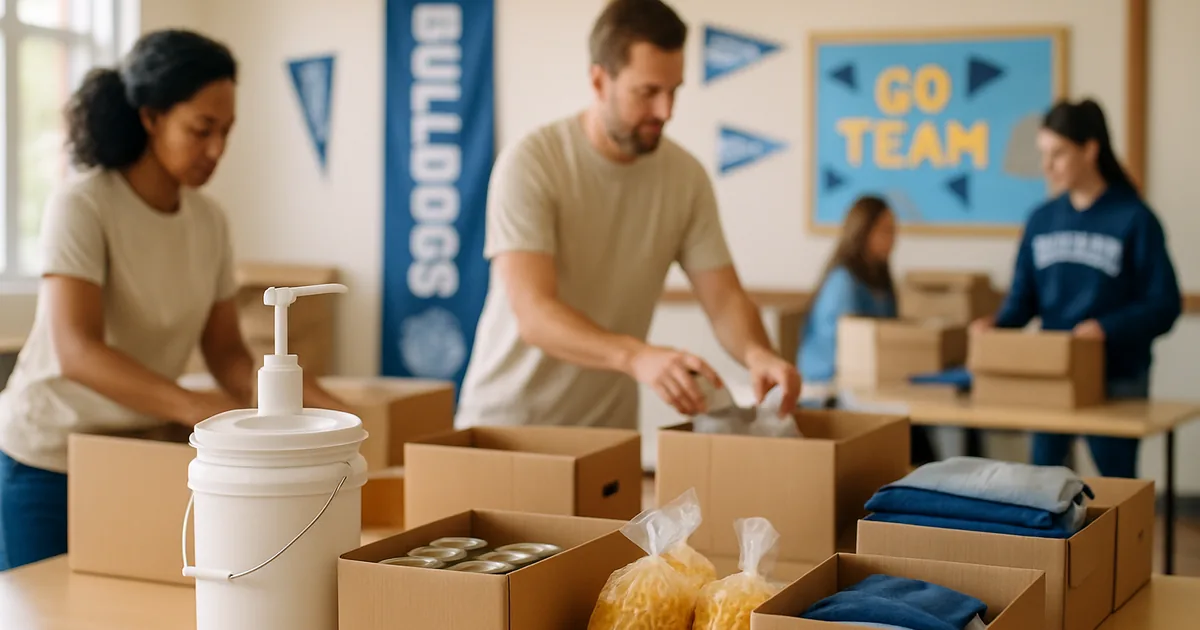
Nonprofits can compare four approaches: product sales, community events, digital giving, and relationship-building that supports repeat gifts. Choose from your mission, supporters, available helpers, and expected net proceeds. Household-staple preorders are one option for a small team, but they still need payment and distribution work; a direct appeal may fit supporters who prefer giving without a purchase.
Nonprofit fundraising is a different game than school or team campaigns. You are often working with a smaller volunteer base, a wider and less-defined supporter network, and a mission that requires you to explain why someone should care before you ever ask them to give. The fundraising ideas that work for a PTA do not always translate.
The good news is that nonprofits have some useful advantages: you can run campaigns year-round, your donors often give repeatedly if the experience is good, and the right fundraiser can do double duty as both a revenue generator and a visibility builder for your cause. The key is choosing ideas that respect your supporters' time, offer real value, and do not burn out your small team of volunteers.
This guide compares product campaigns, events, digital giving, and donor engagement, with planning checks to help your nonprofit choose a workable approach. These are editorial suggestions rather than measured rankings across organizations.
- The best nonprofit fundraisers make giving easy, offer tangible value or a memorable experience, and fit naturally into supporters' lives.
- Product fundraisers work well for nonprofits when the item is a necessity rather than a novelty and your audience needs it, which can widen the pool of potential buyers.
- Community events build visibility and engagement but require significant volunteer hours and upfront planning.
- Digital campaigns and peer-to-peer fundraising scale reach but depend on supporters being comfortable promoting online.
- Compare net proceeds and volunteer hours before choosing a product program.
- Repeat donors are the backbone of nonprofit revenue, so choose fundraisers that create positive experiences worth repeating.
- The strongest nonprofit fundraisers do double duty: they raise money and build awareness of your mission at the same time.
What makes a fundraising idea work for nonprofits?
Not every fundraiser that works for a school or sports team translates to a nonprofit. Nonprofits typically have fewer built-in volunteers, a broader and less captive audience, and supporters who need to understand and care about the mission before they give. That changes what works.
The fundraising ideas that succeed for nonprofits share three characteristics. First, they make participation easy — supporters can give or buy quickly without a complicated process. Second, they offer something in return, whether that is a useful product, a fun experience, or the satisfaction of directly helping a cause they believe in. Third, they fit into people's existing routines rather than asking them to go out of their way.
A fourth factor is mission fit. An environmental group should consider the materials and environmental claims of anything it sells; a food bank should consider price and accessibility for its supporters. Explain the connection to the cause without assuming a product category automatically reflects the mission.
What are the best product fundraisers for nonprofits?
Product fundraisers give supporters something tangible in exchange for their money. Check whether people want the specific product, price, and fulfillment arrangement before counting it as a revenue source.
Household staples are worth considering alongside treats, apparel, and direct giving. Ask your own supporters about price, product preferences, storage, and pickup: familiarity with detergent does not mean everyone wants a 5-gallon bucket.
Other options include reusable goods, locally sourced products, and consumables. Compare the specific price, margin, and demand; food or novelty categories do not automatically provide poor value.
What community events work well for nonprofit fundraising?
Events are a double-edged tool for nonprofits. Done well, they raise money and build visibility for your cause at the same time. Done poorly, they consume enormous volunteer hours and barely break even after expenses. The difference comes down to choosing events that match your capacity and your community.
Walkathons, benefit dinners, auctions, and community fairs are options when the team can manage their costs and duties. Estimate route or venue requirements, staffing, attendance, sponsorships, and net proceeds; none is inherently a high-return format.
A trivia night, community yard sale, or restaurant percentage night may fit a smaller team. Confirm the work and payout terms before deciding whether it is a main or supplemental fundraiser; a simpler event does not necessarily raise less.
The mistake nonprofits make with events is underestimating the volunteer hours required and overestimating attendance. If an event needs three months of planning and twenty volunteers on the day to net two thousand dollars, a simpler product fundraiser that raises the same amount with a fraction of the effort is often the smarter choice.
How do digital and online fundraising strategies work for nonprofits?
Digital fundraising has become essential for nonprofits, especially those with geographically dispersed supporters or limited local volunteer capacity. The main strategies are direct online donation campaigns, peer-to-peer fundraising where supporters create personal fundraising pages and share them with their networks, crowdfunding for specific projects or needs, and email or social media campaigns that drive traffic to a donation page.
The advantage of digital fundraising is scale: one well-crafted campaign can reach hundreds or thousands of potential donors with minimal incremental effort. The disadvantage is that it requires supporters to be comfortable promoting your cause online, and donation fatigue is real — people are asked to give digitally constantly, so your message has to cut through.
Peer-to-peer fundraising lets supporters share a personal appeal with their networks. Compare a platform's current eligibility, payment fees, payout timing, privacy, and support before choosing it. Recruiting people willing to share matters more than simply creating a page.
The biggest mistake nonprofits make with digital fundraising is treating it as passive — posting a donation link and hoping people give. Successful digital campaigns require active promotion, clear storytelling about impact, and multiple touchpoints over time. If you are not prepared to invest that effort, a product or event fundraiser may deliver better results.
What donor engagement strategies increase repeat giving?
Repeat giving can help fund ongoing work, alongside one-time gifts, grants, earned income, and other sources. Donor value and giving preferences vary; support relationships without assuming every nonprofit has the same revenue mix.
The tactics that drive repeat giving are straightforward but require consistency. Thank every donor personally and promptly, and be specific about how their contribution helped. Share impact stories that show donors the tangible results of their support. Communicate regularly but not excessively — a monthly or quarterly update is usually right. Make it easy to give again by offering recurring donation options and sending gentle reminders at logical times, such as year-end or the anniversary of their first gift.
Nonprofits that treat fundraising as a one-time transaction leave enormous amounts of money on the table. The organizations that build sustainable revenue are the ones that invest in relationships with their donors and create positive experiences that make people want to give again. Every fundraiser you run should be designed not just to raise money this time, but to make supporters feel good enough about the experience that they will participate next time.
How do you choose the right fundraising idea for your nonprofit?
The right fundraiser for your nonprofit depends on three factors: your volunteer capacity, your supporter base, and your revenue goal. A small all-volunteer organization with limited time should favor low-effort, high-return options like necessity-based product fundraisers or simple online campaigns. A nonprofit with a large, engaged donor base and strong volunteer leadership can take on more complex events. And if you need to raise a specific large amount by a deadline, you may need to run multiple fundraisers in parallel.
Start by estimating the volunteer hours available and the jobs each option needs. A weekly-hour threshold alone should not rule events in or out. Then consider supporter location, preferences, and your past results, and build a receipts-minus-costs budget.
The most common mistake nonprofits make is choosing a fundraiser because it sounds exciting or because another organization had success with it, without considering whether it fits their own capacity and audience. A walkathon that works beautifully for a large nonprofit with fifty volunteers may be a disaster for a small group with five. Match the fundraiser to your reality, not your aspirations.
Common mistakes to avoid
Choosing fundraisers that require more volunteer hours than you have
The most common nonprofit fundraising mistake is overcommitting. A complex event that needs fifty volunteer hours per week will fail if you only have ten. Match the fundraiser to your actual capacity, not your ideal capacity.
Running novelty product fundraisers that offer poor value to supporters
Check whether supporters consider the product worth its price. Food, catalogs, and household staples can all suit different audiences; avoid assuming dissatisfaction from the category alone.
Treating fundraising as a one-time transaction instead of relationship-building
Thank donors, share how funds were used, and stay in touch at a suitable frequency. Repeat giving can support ongoing work, but its role depends on the nonprofit's funding mix and donor preferences.
Underestimating event costs and volunteer time
Budget event costs and volunteer hours before committing. Compare net proceeds with alternatives while also considering the event's community or mission value.
Launching digital campaigns without active promotion
Posting a donation link and hoping people give does not work. Successful digital fundraising requires storytelling, multiple touchpoints, and active outreach over time.
Picking fundraisers that do not align with your mission
A fundraiser that conflicts with your cause confuses supporters and weakens your brand. Choose campaigns that reinforce what your nonprofit stands for.
- Editorial scope — fundraiser comparisons and scheduling suggestions are planning judgments, not measured rankings or campaign results. Illustrative calculations do not predict participation.
- GCF pricing — customer price, online surcharge, order tiers, and shipping. Calculations use the tier for a single group order and exclude additional group expenses. GCF how it works — 50-bucket minimum, selling period, paid-order lead time, commercial delivery and distribution, and advertised guarantee.
Our recommendation for nonprofits with limited volunteer capacity
For a nonprofit considering a household-staple preorder sale, check buyer interest and your delivery plan first. GCF's 5-gallon pump bucket sells for $49.95 (online orders add $2). The published margin is $13.45 per bucket at 100–299 buckets, $14.45 at 300–499, and $15.45 at 500+, before additional group expenses. The minimum order is 50 buckets; shipping is free at 100+, while shipping charges below 100 reduce the margin. There is no payment to start: collect supporter orders and payments, then submit the paid group order. GCF recommends 2–3 weeks of selling, followed by about two weeks after the paid order for fulfillment. Allow extra time for setup and distribution. A coordinator provides guidance; your group arranges a commercial delivery address, unloading, and supporter pickup. GCF advertises a 100% money-back guarantee: GCF refunds dissatisfied supporters directly, and the group keeps its earned profit. Contact GCF for any remaining refund details.
Frequently asked questions
Household-necessity product campaigns, simple online donation drives, and low-logistics events like restaurant percentage nights are options for small nonprofits because none requires a large volunteer team. Compare the expected revenue and workload of each against your own staff and supporters rather than assuming one is universally best; a complex event needing dozens of volunteers or months of planning may not fit a small team.
A preorder program reduces the need to buy speculative inventory; it does not eliminate costs or financial risk. For GCF, collect orders and payments before submitting the paid group order, meet the 50-bucket minimum, and budget for shipping below 100 buckets and any local expenses.
Product fundraisers and events let nonprofits raise money by offering something of value in exchange rather than asking for donations outright. Supporters buy a useful product like laundry detergent at a good price, attend a fun event, or participate in an activity, and the nonprofit keeps a portion of the proceeds. This approach often feels less awkward for both the organization and the supporter.
The easiest option is the one that fits your team. An online appeal avoids product handling but needs promotion and donor records; a supported preorder sale still needs payments and distribution. Compare the actual duties before deciding.
Estimate retained funds as active sellers × average units sold × the applicable per-unit margin, less additional group expenses. For an illustrative GCF order of 200 buckets, 200 × $13.45 = $2,690 before those expenses. This is a calculation, not a campaign result or forecast.
Product fundraisers, recurring donation programs, and online campaigns can run year-round because they are not tied to a season or event. Household-necessity products may suit repeat campaigns if supporters need to restock and want to buy again, but check demand, replenishment timing, and willingness to repeat before planning an ongoing revenue stream.
Make participation easy, offer genuine value, and communicate clearly. Supporters are more likely to participate when the fundraiser fits naturally into their lives, when they receive something useful in return or have a positive experience, and when the ask is simple and the impact is clear. Repeat participation depends on creating a good experience the first time.
A fundraiser fits the mission when the organization can explain how its product, activity, or use of proceeds supports its purpose. Review the offer with your own supporters rather than assuming a particular product guarantees alignment or better results.
Product sales and events can both work. Compare expected receipts minus all costs, volunteer hours, and your audience's interest. A small event with donated resources may be easier to run than a large product delivery; there is no universal winner.
GCF's 5-gallon pump bucket sells for $49.95 (online orders add $2). The published margin is $13.45 per bucket at 100–299 buckets, $14.45 at 300–499, and $15.45 at 500+, before additional group expenses. The minimum order is 50 buckets; shipping is free at 100+, while shipping charges below 100 reduce the margin. There is no payment to start: collect supporter orders and payments, then submit the paid group order. GCF recommends 2–3 weeks of selling, followed by about two weeks after the paid order for fulfillment. Allow extra time for setup and distribution. A coordinator provides guidance; your group arranges a commercial delivery address, unloading, and supporter pickup.
Nonprofit fundraising is not about finding a magic idea that raises huge amounts with no effort — it is about choosing strategies that match your capacity, offer real value to supporters, and create positive experiences that bring donors back. The organizations that build sustainable revenue are the ones that respect their volunteers' time, treat supporters well, and pick fundraisers that reinforce rather than distract from their mission.