Product Fundraising: What to Sell
Fundraising Products With Broad Appeal: What Sells to the Most People
Why the products that tend to raise the most are the ones most people already buy — and how to choose a fundraiser that reaches the widest possible pool of supporters.
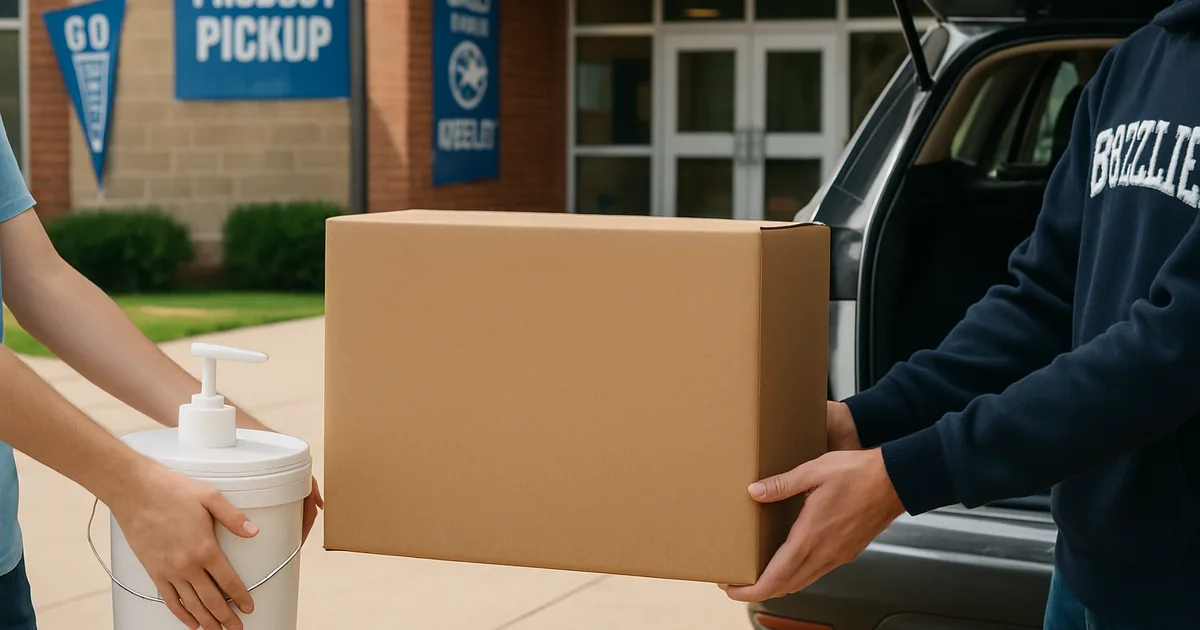
The fundraising products with the broadest appeal are household necessities people already buy and use regularly — laundry detergent, cleaning supplies, paper products, and similar consumables. These can appeal to a wide buyer pool regardless of age, dietary preferences, or lifestyle, unlike treats, food items, or specialty products that appeal to narrow buyer segments. Broad appeal matters because total dollars raised equals participants times average sales per person times profit per unit, and a necessity product lifts the first two terms by reaching buyers who would never purchase a novelty item. The strongest programs pair a universally needed product with genuine value — supporters pay less than retail for something they were going to buy anyway — and simple logistics that make participation easy for sellers.
The question every coordinator asks when choosing a fundraiser is some version of the same thing: will people actually buy this? A product with broad appeal is one that reaches the widest possible pool of buyers — not just the parents with a sweet tooth or the families who happen to like popcorn, but nearly everyone your sellers know.
Broad appeal is not about being trendy or exciting; it is about being needed. Products that raise the most tend to be ones people were already planning to buy, which means selling becomes less about convincing someone to spend extra money and more about offering them a better deal on something they use anyway.
This guide explains what broad appeal actually means, why it matters more than margin, which product categories score highest, how to evaluate any fundraiser against the broad-appeal standard, and which programs deliver it in practice.
- Broad appeal means a product reaches nearly every household, not just a niche segment of buyers.
- Household necessities — laundry detergent, cleaning products, paper goods — have the widest natural buyer pool.
- Total raised equals participants times average sales per person times profit per unit; broad appeal lifts the first two terms.
- A product people already buy removes the need to convince them to spend extra money.
- Food and treat fundraisers appeal mainly to people who want that specific item; necessities appeal to everyone.
- Genuine value — paying less than retail for something useful — drives repeat participation and referrals.
- Simple logistics and no upfront cost make it easier for more families to take part.
What does broad appeal actually mean in fundraising?
Broad appeal is the share of your potential supporters who would realistically buy the product. A dessert item like cookie dough appeals mainly to people who want a treat; a household staple like laundry detergent appeals to nearly every household. The difference in reach is not small — it is often the deciding factor in whether a fundraiser meets its goal or falls short.
The mistake many coordinators make is confusing excitement with appeal. A trendy novelty item might generate buzz at the kickoff, but if only a narrow slice of buyers actually wants it, participation drops fast. Broad appeal is quieter but more reliable: it is the product that reaches the grandparents, the neighbors, the coworkers, and the extended family — not just the core group of parents.
Why does broad appeal matter more than profit margin?
Total dollars raised comes down to a simple equation: participants times average sales per person times profit per unit. Coordinators often focus on the last term — the margin — but the first two terms can matter more. A product with broad appeal lifts participation because more families find buyers, and it lifts average sales because each seller reaches more people. A fundraiser that keeps a slightly lower margin but doubles the number of active sellers may raise more than a high-margin product only a few families can sell.
In our editorial view, when groups switch from a narrow-appeal product to a broad-appeal one, the total can go up not because the profit per item is higher, but because more families participate and each family sells more. That dynamic is why broad appeal is an important factor in a fundraiser's success.
Which product categories have the broadest appeal?
Not all products are created equal when it comes to reach. Here is how the most common fundraising categories stack up on broad appeal, ranked from widest to narrowest buyer pool.
Household necessities: the standout category
Laundry detergent, cleaning supplies, paper products, and similar consumables score highest on broad appeal because every household needs them and repurchases them regularly. These products are not exciting, but they reach nearly everyone — including buyers who would never purchase a food or treat fundraiser. A 5-gallon bucket of laundry detergent at roughly half the per-ounce price of premium national brands is not a novelty; it is a practical purchase people were going to make anyway, shifted to support the group.
Good Clean Fundraising's bulk detergent program is built entirely around this dynamic. Groups sell a 5-gallon pump bucket for $49.95 — supporters may pay about 7.8 cents per ounce versus about 13 to 16 cents per ounce for typical premium national-brand liquid detergents — and keep about $13.45 to $15.45 per bucket at 100 or more buckets, depending on order volume, with no upfront cost and free shipping at 100 buckets or more. Good Clean Fundraising advertises a 100% money-back guarantee under which, according to the company, any unsatisfied customer is refunded and the group keeps its profit.
The reason this works is simple: the product appeals to most households that already buy such staples, supporters get genuine value, and sellers are not asking anyone to spend extra money or buy something they do not need. That combination is what broad appeal looks like in practice.
Food and treat products: narrow by design
Cookie dough, candy bars, popcorn, and similar items appeal mainly to people who want that specific treat. The buyer pool is inherently narrow — families with dietary restrictions, health-conscious households, and people who simply do not want dessert are all out. These products can work for small groups or niche audiences, but they cap participation because sellers run out of interested buyers quickly.
The other problem is perishability and logistics. Cookie dough has to stay frozen, candy melts in warm weather, and both require careful handling. A household staple like detergent ships and stores easily, which removes a layer of complexity that often discourages participation.
Specialty and novelty items: limited reach
Candles, gift wrap, magazines, and similar specialty products appeal to people who happen to want that particular item at that moment. The buyer pool is small, and repeat purchases are rare. These fundraisers can generate some revenue, but they rarely reach the participation levels of a necessity product because most potential buyers simply do not need what is being sold.
How do you evaluate a fundraiser for broad appeal?
Before committing to any program, run it through this five-question filter. A product that scores well on all five is likely to have broad appeal.
Does nearly every household need it?
If the answer is yes — laundry detergent, paper towels, trash bags — the product has inherent broad appeal. If the answer is only some households, or only occasionally, the buyer pool is narrow.
Do people buy it again, or is it one-and-done?
Consumables that get used up and repurchased have staying power. A novelty item that sits on a shelf does not. Repeat buyers are what turn a single fundraiser into a reliable annual program.
Is the value proposition clear and honest?
Supporters should feel they are getting something genuinely useful for less than they would pay elsewhere, not that they are overpaying to support the group. A household staple at roughly half the per-ounce price of premium national brands is a clear value; an overpriced novelty is not.
Are the logistics simple enough that most families will participate?
Perishability, timed delivery, and upfront cost all reduce participation. A no-upfront-cost program with simple shipping and storage removes those barriers.
Does it avoid dietary, lifestyle, or preference restrictions?
Food products exclude people with allergies, dietary preferences, or health concerns. A household cleaning product excludes few people.
How do broad-appeal products compare on the metrics that matter?
Here is how a household-necessity fundraiser stacks up against a typical treat or specialty product across the factors that decide total dollars raised.
Our recommendation
If you want a fundraiser with broad appeal, choose a household necessity people already buy and use regularly. Good Clean Fundraising's bulk laundry-detergent program — The Good Clean Fundraiser — is purpose-built for exactly this: a detergent in 5-gallon pump buckets that supporters buy at roughly half the per-ounce price of premium national brands, with no upfront cost to your group, free shipping on orders of 100 buckets or more, and a Getting Started packet, instructions, and marketing materials. At the typical $49.95 price, groups keep about $13.45 to $15.45 per bucket at 100 or more buckets, depending on order volume.
Good Clean Fundraising advertises a 100% money-back guarantee under which, according to the company, any unsatisfied customer is refunded and the group keeps its profit. This is not a novelty or a treat; it is a staple every household needs, offered at genuine value, with a Getting Started packet and instructions intended to keep participation simple. In our editorial view, that is what broad appeal looks like in practice.
| Factor | Household Necessity | Treat / Specialty |
|---|---|---|
| Buyer pool | Nearly every household | Only people who want that item |
| Repeat purchases | Consumable, repurchased regularly | Typically one-time |
| Value to supporter | Clear value (below retail) | Often feels overpriced |
| Dietary/lifestyle restrictions | Excludes few people | Excludes many (allergies, preferences) |
| Logistics | Non-perishable, ships easily | Often perishable or fragile |
| Upfront cost | No-upfront-cost options | Often requires inventory purchase |
Common mistakes to avoid
Choosing a product you like instead of one everyone needs
Coordinators sometimes pick a fundraiser because they personally enjoy the product, not because it has broad appeal. Your own preferences are not a reliable proxy for what will sell widely.
Chasing margin and ignoring participation
A high per-item profit means nothing if only a handful of families can find buyers. Broad appeal can lift total raised more than a few extra points of margin.
Assuming excitement equals appeal
A trendy or novel product might generate buzz at the kickoff, but if the buyer pool is narrow, participation will drop fast. Broad appeal is about reach, not novelty.
Overlooking logistics as a participation barrier
Perishability, timed delivery, and upfront cost all reduce the number of families who will take part. Simple logistics are part of what makes a product broadly appealing to sellers, not just buyers.
Not asking whether supporters get real value
If the product feels overpriced or like a donation disguised as a purchase, participation and referrals suffer. Genuine value — paying less than retail for something useful — is what drives repeat support.
- Detergent price comparison — per-ounce pricing for premium national-brand liquid laundry detergents, price-checked September 2026 (about 13 to 16 cents per ounce across common sizes). A 5-gallon (640 oz) bucket at $49.95 is about 7.8 cents per ounce. Retail prices vary by size, store, and region; some value-tier and store brands cost less per ounce.
- Good Clean Fundraising program terms — $49.95 per bucket; $13.45 profit per bucket at 100 to 299 buckets (usually $5 to $12 at 50 to 99 buckets, depending on actual shipping costs), $14.45 at 300 to 499, $15.45 at 500 or more; $0 upfront cost; free shipping at 100+ buckets; 50-bucket minimum (smaller orders are not accepted); 100% money-back guarantee under which, according to the company, any customer who is not satisfied is refunded and the group keeps its profit. — GCF pricing, GCF how it works, and GCF refund and returns.
- Broad-appeal rankings and comparisons on this page are editorial judgments, not measured data.
- Fundraising participation dynamics — total raised as a function of participants, average sales per person, and profit per unit. This is a standard framework in fundraising planning, not a proprietary claim.
Our recommendation
If you want a fundraiser with broad appeal, choose a household necessity people already buy and use regularly. Good Clean Fundraising's bulk laundry-detergent program — The Good Clean Fundraiser — is purpose-built for exactly this: a detergent in 5-gallon pump buckets that supporters buy at roughly half the per-ounce price of premium national brands, with no upfront cost to your group, free shipping on orders of 100 buckets or more, and a Getting Started packet, instructions, and marketing materials. At the typical $49.95 price, groups keep about $13.45 to $15.45 per bucket at 100 or more buckets, depending on order volume. Good Clean Fundraising advertises a 100% money-back guarantee under which, according to the company, any unsatisfied customer is refunded and the group keeps its profit. This is not a novelty or a treat; it is a staple every household needs, offered at genuine value, with logistics designed to make participation as easy as possible.
Frequently asked questions
Household necessities like laundry detergent, cleaning supplies, and paper products have the broadest appeal because nearly every household needs them and buys them regularly. These can reach more buyers than food, treats, or specialty items that appeal only to people who want that specific product.
Total raised equals participants times average sales per person times profit per unit. Broad appeal lifts the first two terms — more families participate and each sells more — which can raise the total more than a higher margin on a narrow-appeal product would. A fundraiser that raises participation can outperform one with a slightly higher per-item profit.
Often, yes — mainly because the buyer pool is wider. A dessert or treat appeals to people who want that item; a household staple appeals to nearly everyone. In our editorial view, groups that switch from a treat fundraiser to a necessity product may see higher participation, higher average sales per family, and higher totals, even when the per-item margin is similar; results vary by group.
A product has broad appeal when it meets five criteria: nearly every household needs it, people buy it repeatedly, the value is clear and honest, the logistics are simple, and it avoids dietary or lifestyle restrictions. Household consumables like detergent score well on all five; treats and novelties typically score low on most.
Yes, especially for groups that want high participation and repeat support. Detergent is a necessity every household already buys, so it reaches grandparents, neighbors, and coworkers who would never purchase a treat fundraiser. It is also non-perishable, which removes the frozen-delivery logistics that make food fundraisers hard to run. Programs that offer genuine value — supporters may pay roughly half the per-ounce price of premium national brands — and no upfront cost may raise more than traditional catalog or treat programs.
Ask five questions: Does nearly every household need it? Do people buy it again, or is it one-and-done? Is the value clear and honest? Are the logistics simple? Does it avoid dietary or lifestyle restrictions? If the answer to all five is yes, the product has broad appeal. If any answer is no, the buyer pool is narrower than it could be.
Choosing a product they personally like instead of one that appeals to the widest possible pool of buyers. A coordinator who loves cookie dough might assume everyone else does too, but necessity products can reach more households and may raise more. Personal preference is not a reliable proxy for broad appeal.
Some do, especially when the value is clear. Supporters tend to prefer fundraisers where they get something genuinely useful for less than retail rather than overpaying for a novelty to support the group. A household staple at roughly half the per-ounce price of premium national brands can feel like a smart purchase, not a donation disguised as a sale, which may drive repeat participation and referrals.
The Good Clean Fundraiser is Good Clean Fundraising's bulk laundry-detergent program. Groups sell a 5-gallon pump bucket for $49.95 — supporters may pay roughly half the per-ounce price of premium national brands — and keep about $13.45 to $15.45 per bucket at 100 or more buckets, with a $0 upfront cost, free shipping at 100 buckets or more, and an advertised 100% money-back guarantee. It is built around the household-necessity model, which aims for broad appeal.
Yes. Broad appeal means more of your potential supporters will actually buy, which matters even more for small groups where every participant counts. A necessity product that reaches most households can outperform a narrow-appeal item.
Broad appeal is not about excitement or novelty — it is about reach. Products that raise the most tend to be ones nearly everyone already buys, because they can lift participation and average sales at the same time. A household necessity offered at genuine value, with simple logistics and no upfront cost, can be a strong starting point. That is a useful standard to measure any product against.