
Scouts, 4-H, FFA & Youth Organizations
FFA Chapter Fundraising Ideas That Actually Work
The best fundraising ideas for FFA chapters — from product sales and community events to necessity fundraisers that reach beyond the ag community.
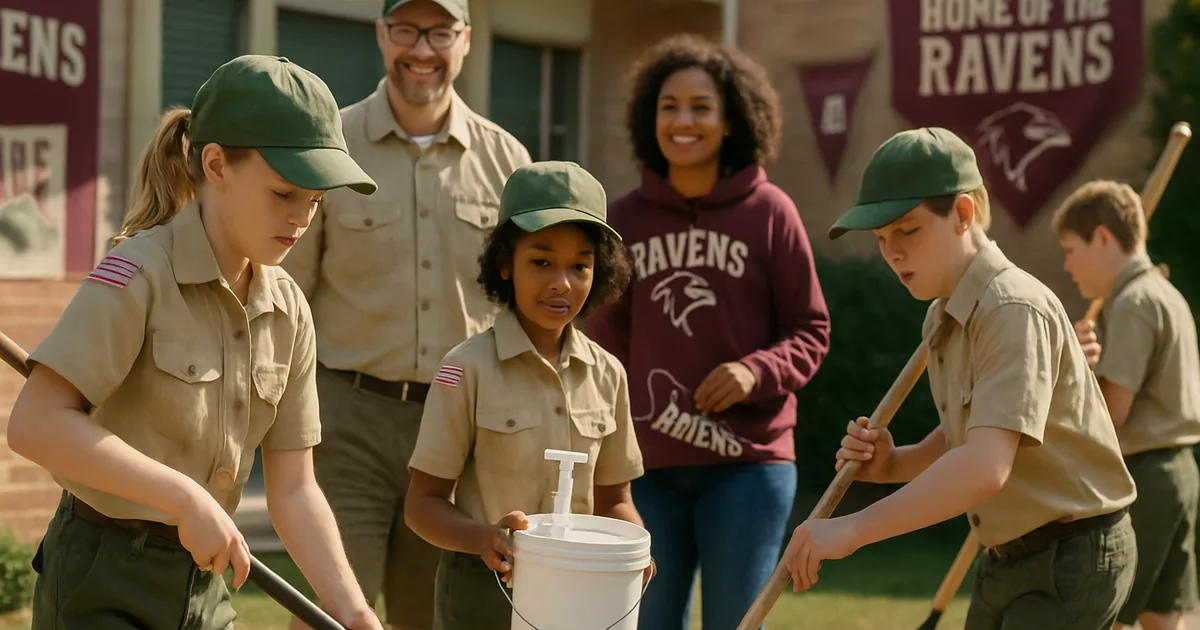
The most successful FFA chapter fundraisers fall into three categories: product sales that tie to agriculture or everyday needs, community events that showcase member skills, and necessity fundraisers that reach supporters beyond the ag community. Product sales — especially household staples like laundry detergent, along with traditional options like plants, meat, and baked goods — tend to raise the most because they reach a wide buyer base and require minimal event logistics. Community events like tractor pulls, farm-to-table dinners, and livestock shows build visibility but demand more volunteer hours and planning. The highest-performing programs combine broad appeal with a product people genuinely need, keep upfront costs low, and align with FFA's mission of developing agricultural leaders. Chapters that switch from novelty items to necessity products may see higher participation because families find more buyers outside the usual circle of ag supporters.
FFA chapters face a unique fundraising challenge: you need to raise serious money for travel, competitions, equipment, and leadership development, but your member base is often smaller than a typical school club, and your supporters — while loyal — can only buy so many plants or steaks in a year.
The chapters that raise the most are not necessarily running the most creative fundraisers. They are running the ones that reach the widest pool of buyers, require the least volunteer burden, and give supporters something they actually want. That usually means moving beyond ag-specific products to items with universal appeal, or running community events that showcase what FFA members do best.
This guide covers the full menu of FFA fundraising ideas — product sales, community events, and necessity fundraisers — how each performs on profit and logistics, what works for small versus large chapters, and the mistakes that quietly cap how much you raise.
- The best FFA fundraisers balance broad buyer appeal with a connection to agriculture or practical skills.
- Product sales — especially household necessities and traditional ag products like plants and meat — often outperform novelty items.
- Community events like farm dinners and tractor pulls build chapter visibility but require significant volunteer coordination.
- Necessity fundraisers reach supporters beyond the ag community, which widens participation and raises totals.
- Small chapters benefit most from low-logistics, no-upfront-cost programs that do not require a large volunteer base.
- Chapters that offer products at genuine value rather than marked-up novelties see higher repeat participation year over year.
What makes a good FFA chapter fundraiser?
A strong FFA fundraiser does three things well: it reaches buyers beyond your core ag supporters, it aligns with the skills and mission of FFA, and it does not overwhelm your advisors and officers with logistics. The chapters that raise the most tend to favor programs that score well on buyer breadth, volunteer load, and repeat potential — meaning supporters will buy again next year.
FFA chapters have an advantage that many school clubs do not: many of your members already have experience working, managing projects, and selling. That makes you well-suited to both hands-on events and direct-sales campaigns. The key is matching the fundraiser to your chapter size, your volunteer capacity, and your community. A 15-member chapter in a rural district will run a different playbook than a 60-member chapter near a suburban area.
What are the best product fundraisers for FFA chapters?
Product fundraisers are the backbone of FFA chapter income because they scale with your membership, require less day-of coordination than events, and can run during the school year without competing for weekend volunteer time. Here are the categories that perform best.
Household necessity products
Household staples — laundry detergent, cleaning supplies, paper goods — are one option for FFA chapters because they reach every household, not just the ones interested in ag products. A necessity product expands your buyer pool to grandparents, teachers, neighbors, and coworkers who would never buy a novelty item but always need detergent.
Programs like this can carry strong margins and require no upfront cost, which removes the inventory burden from your chapter. Members sell by taking orders rather than stocking product, and supporters get something useful at a fair price. For chapters that have hit a ceiling with traditional ag sales, a necessity fundraiser can be worth trying.
Plants, flowers, and greenhouse sales
Plant sales are a natural fit for FFA chapters, especially those with greenhouse access or horticulture programs. Spring bedding plants, hanging baskets, poinsettias, and vegetable starts all sell well in ag communities, and the work ties directly to what members are learning. Margins can be strong if you are growing the plants yourselves, though buying wholesale and reselling still works.
The logistics are heavier than a no-inventory program — you need space, watering schedules, and a sale day — but for chapters with the facilities and the hands, plant sales build visibility and let members showcase their skills. The buyer pool is more seasonal and geographically limited than a necessity product, but repeat customers are common if the quality is good.
Meat sales (beef, pork, chicken)
Meat fundraisers — especially locally raised beef, pork, or chicken — perform well in rural and suburban communities where people value knowing where their food comes from. Chapters typically partner with a local processor or distributor, take pre-orders, and deliver on a set day. Margins vary but can be strong, and the product aligns with FFA's agricultural mission.
The challenge is logistics: frozen product, delivery-day coordination, and the need for a customer base that has freezer space and wants to buy in bulk. It works best for established chapters with a loyal supporter base and volunteers who can manage the delivery. For newer or smaller chapters, the coordination load can outweigh the profit.
Baked goods and concessions
Baked goods, concession stands, and food sales at school or community events are reliable small-dollar fundraisers that work well as add-ons or quick cash injections. They require member and parent time but little upfront cost if you are baking at home or buying wholesale snacks and drinks to resell.
These are best used as supplemental income rather than a primary fundraiser — the per-transaction profit is small, and the volunteer hours add up quickly. But for chapters that need a few hundred dollars fast or want to build visibility at a community event, a concession stand or bake sale is a solid, low-risk option.
What are the best FFA community event fundraisers?
Community events let FFA chapters showcase member skills, build relationships, and raise money at the same time. They require more planning and volunteer hours than product sales, but they also build long-term chapter visibility in ways a catalog never will. Here are the events that work.
Farm-to-table dinners and pancake breakfasts
A farm-to-table dinner or pancake breakfast lets your chapter serve a meal, often with ingredients sourced locally or from member projects, and charge per plate. These events work especially well in communities that value local food and want to support youth agriculture programs. Members handle setup, cooking, serving, and cleanup, which builds teamwork and gives younger members hands-on leadership experience.
The profit depends on your ticket price, food costs, and attendance, so plan conservatively and promote early. The volunteer load is significant — you need a venue, a kitchen, and a crew — but the community-building and visibility often justify the effort, especially if you make it an annual tradition.
Tractor pulls, truck shows, and equipment demos
Tractor pulls, antique tractor shows, and equipment demonstrations draw crowds in rural areas and give your chapter a chance to raise money through entry fees, concessions, and sponsorships. These events require significant planning, liability insurance, and volunteer coordination, but they can generate strong revenue and put your chapter front and center in the ag community.
Partner with local equipment dealers, farm bureaus, and sponsors to offset costs and draw a bigger crowd. The key is treating it as a multi-year investment — the first year builds the event, and subsequent years refine it and grow attendance.
Livestock shows and auctions
If your chapter has access to facilities and members raising livestock, a small local show or auction can be both a fundraiser and a learning opportunity. You can charge entry fees, sell concessions, and take a percentage of auction sales. It showcases what FFA members do and draws an audience that understands and values the work.
The logistics are complex — you need pens, judges, insurance, and volunteers who know livestock — so this works best for chapters with experience and infrastructure. But for those chapters, it is a signature event that raises money and builds your program's reputation at the same time.
Car washes and community service fundraisers
A car wash is one of the simplest FFA fundraisers to organize: pick a high-traffic location, gather your members, and charge per vehicle. Profit per car is modest, but the volunteer requirement is low and the event builds visibility. It works best as a quick, supplemental fundraiser rather than your primary income source.
You can boost revenue by adding a bake sale, raffle, or donation jar, and by promoting ahead of time so supporters plan to come. The weather is your biggest variable, so have a rain date and promote it clearly.
What fundraisers work best for small FFA chapters?
Small chapters — those with 15 to 25 active members — need fundraisers that do not require a large volunteer army or complex logistics. The best options are no-upfront-cost product sales, especially necessity items that sell themselves, and small-scale events that can be run by a core group of officers and parents.
Avoid fundraisers that require significant inventory, day-of coordination, or specialized facilities. A household-necessity product sale, a plant sale if you have greenhouse access, or a simple pancake breakfast will raise more with less stress than trying to run a tractor pull or multi-day event with a skeleton crew.
How do FFA chapters raise money without selling products?
If your chapter wants to avoid product sales entirely, your best options are community events, sponsorships, and direct-support campaigns. A well-promoted farm dinner, car wash, or tractor pull can generate significant revenue, and local businesses will often sponsor FFA chapters in exchange for visibility at events or on chapter materials.
Direct-support campaigns — where supporters donate without receiving a product — work if your chapter has a compelling project or goal, like funding a trip to nationals or building new facilities. Pair the ask with clear communication about where the money goes, and give supporters a way to contribute online as well as in person.
What should FFA chapters avoid when choosing a fundraiser?
The fundraisers that underperform for FFA chapters tend to share the same weaknesses: they require heavy volunteer coordination, they sell novelty items with narrow appeal, or they ask supporters to pay a premium for something they do not really need. Cookie dough, candy bars, and discount cards all fall into this category — they can work, but they cap participation because the buyer pool is limited and families quickly run out of interested supporters.
Also avoid fundraisers that require significant upfront investment unless you are certain of the return. Ordering inventory before you have commitments puts your chapter treasury at risk, and if the product does not sell, you are stuck with the cost. No-upfront-cost programs remove inventory risk.
| Factor | Product Sales | Community Events |
|---|---|---|
| Buyer reach | Wide (including non-ag supporters) | Local ag community & families |
| Volunteer time | Low to moderate (orders & delivery) | High (setup, execution, cleanup) |
| Upfront cost | $0 (no-upfront-cost programs) | Moderate (venue, supplies, insurance) |
| Profit potential | Consistent per-unit margins | Variable (attendance-dependent) |
| Repeat potential | High (if necessity product) | Moderate (builds visibility) |
Common mistakes to avoid
Choosing fundraisers with narrow buyer appeal
Novelty items and ag-specific products limit your buyer pool to people who want that specific thing. Necessity products reach nearly every household, which can widen participation.
Overcommitting volunteer time on complex events
A tractor pull or livestock show can work, but not if your chapter lacks the volunteer base or infrastructure to run it well. Match the fundraiser to your capacity.
Fronting money for inventory before collecting orders
Upfront costs put your chapter treasury at risk if the product does not sell. No-upfront-cost programs let you collect orders first and eliminate inventory risk.
Running fundraisers that do not align with FFA's mission
Supporters back FFA chapters because they value agricultural education and leadership development. Fundraisers that tie to those values — even loosely — perform better than generic catalog sales.
Letting fundraisers drag on without a clear deadline
A focused two-to-four-week selling window creates urgency and keeps members engaged. Open-ended campaigns lose momentum and raise less.
- National FFA Organization — mission, programs, and chapter resources — source
- Editorial guidance: general planning advice on this page reflects the authors' editorial judgment and common youth-group fundraising practice; it is not based on measured campaign data or a cited study.
- Good Clean Fundraising program terms — $49.95 per bucket; $13.45 profit per bucket at 100 to 299 buckets (usually $5 to $12 at 50 to 99 buckets, depending on actual shipping costs), $14.45 at 300 to 499, $15.45 at 500 or more; $0 upfront cost; free shipping at 100+ buckets; 50-bucket minimum (smaller orders are not accepted); 100% money-back guarantee under which, according to the company, any customer who is not satisfied is refunded and the group keeps its profit. — GCF pricing, GCF how it works, and GCF refund and returns.
Our recommendation for FFA chapters
If your chapter has been running the same plant sale or meat fundraiser for years and you are looking to reach more supporters, a household-necessity product sale is the move that widens your buyer base without adding logistics. Good Clean Fundraising runs The Good Clean Fundraiser, a bulk laundry-detergent program built for youth organizations like FFA chapters: members sell 5-gallon pump buckets for $49.95, supporters pay roughly half the per-ounce price of premium national brands, and your chapter keeps about $13.45 to $15.45 per bucket at 100 or more buckets, depending on order volume. There is no upfront cost, free shipping on orders of 100 buckets or more, and the program includes a Getting Started packet, instructions, marketing materials, and social media strategies. It is a necessity product that reaches beyond the ag community, which can widen the buyer pool for chapters that want to reach beyond their traditional supporters.
Frequently asked questions
The best FFA fundraisers are product sales that combine broad appeal with strong margins — especially household necessities like laundry detergent, along with traditional ag products like plants, meat, and baked goods. Community events like farm dinners, tractor pulls, and livestock shows also work well for chapters with the volunteer capacity and infrastructure to run them.
The easiest fundraiser for a small chapter is a no-upfront-cost product sale with simple logistics, especially a necessity item that sells itself. A household-staple program requires minimal volunteer coordination, no inventory management, and reaches a wide buyer base, which makes it manageable even with a small officer team.
It depends on your chapter size, the product, and how many members participate, so set a realistic goal based on your membership rather than a headline number. As a concrete example, one household-necessity program has chapters sell 5-gallon detergent buckets for $49.95 and keep roughly $13.45 to $15.45 per bucket at 100 or more buckets. The bigger lever is participation — when the product is something every household needs, more members find buyers.
Yes, especially if your chapter has greenhouse access or a horticulture program. Spring bedding plants, hanging baskets, and vegetable starts sell well in ag communities, and the work ties directly to what members are learning. The buyer pool is more seasonal and local than a necessity product, but repeat customers are common if quality is good.
Suburban chapters do well with necessity products that reach non-ag households — laundry detergent, cleaning supplies, and paper goods — along with plant sales and community meals. Avoid fundraisers that assume a rural buyer base or require specialized ag facilities unless your chapter has access to them.
Meat fundraisers can work well if your chapter has a loyal supporter base, volunteers to manage frozen delivery, and customers with freezer space who want to buy in bulk. The margins can be strong and the product aligns with FFA's mission, but the logistics are heavier than a no-inventory program. It is best for established chapters rather than first-time fundraisers.
Many chapters fund travel with a combination of product sales and targeted direct-support campaigns. A high-margin product fundraiser — especially a necessity item with broad appeal — raises the bulk of the funds, and a clear ask tied to the specific trip goal brings in additional donations from supporters who want to help but may not need the product.
A necessity fundraiser reaches supporters beyond the ag community — grandparents, teachers, neighbors, and coworkers who would never buy a novelty item but always need laundry detergent or cleaning supplies. That wider buyer pool raises participation and totals, especially for chapters that have hit a ceiling with traditional ag sales.
Not always. Many product programs are no-upfront-cost, meaning you collect orders first and never front money for inventory. For chapters with limited treasury funds or advisors who want to avoid financial risk, a no-cost program is the safest and simplest way to start.
The Good Clean Fundraiser is Good Clean Fundraising's bulk laundry-detergent program built for youth organizations like FFA chapters. Members sell 5-gallon pump buckets for $49.95, supporters pay roughly half the per-ounce price of premium national brands, and chapters keep about $13.45 to $15.45 per bucket at 100 or more buckets with no upfront cost, free shipping on larger orders, and a Getting Started packet, instructions, marketing materials, and social media strategies.
FFA chapters raise the most when they match the fundraiser to their capacity and choose products or events that reach beyond the core ag community. A necessity product sale widens your buyer pool without adding logistics, and community events build visibility and showcase what your members can do. Pick the one that fits your chapter size and volunteer base, set a clear goal and deadline, and give your members something they can sell with confidence.