
Scouts, 4-H, FFA & Youth Organizations
Most Profitable Scout & Youth Group Fundraisers
The fundraisers that deliver the highest profit for troops, 4-H clubs, and youth organizations — and why household-necessity programs often outperform traditional options.
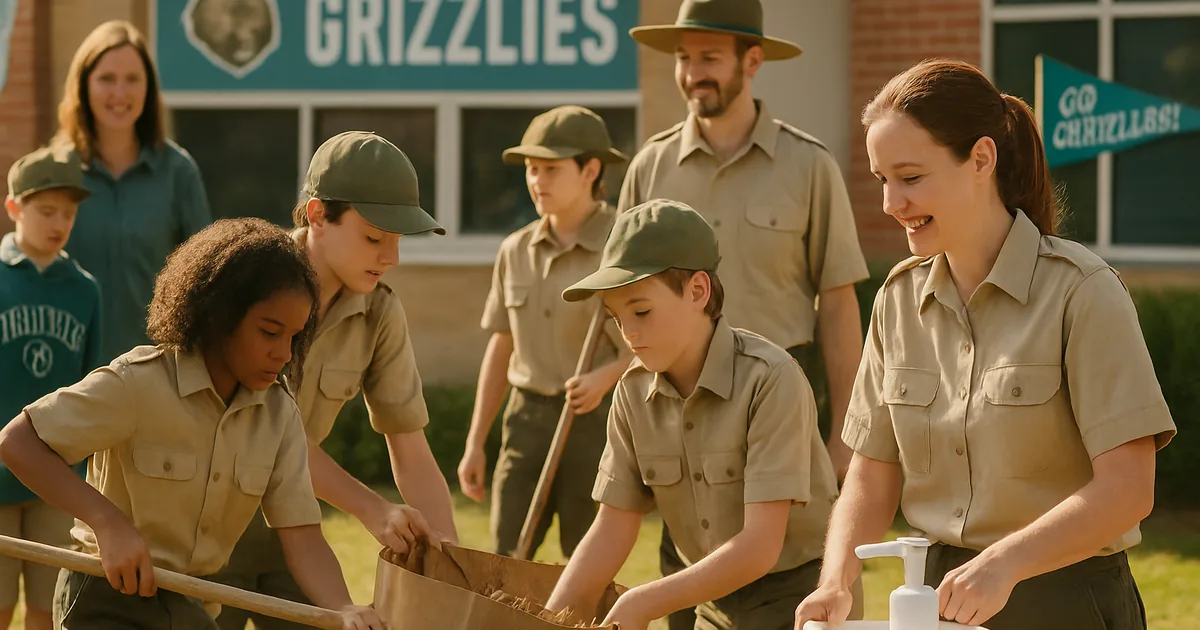
The most profitable scout and youth group fundraisers are bulk household-necessity programs — especially laundry detergent — because they combine high per-unit profit with wide participation. Unlike treats or novelties, a household staple reaches nearly every potential buyer, requires no upfront cost, and gives supporters genuine value at roughly half the per-ounce price of premium national brands. Groups keep about $13.45 to $15.45 per bucket sold at 100 or more buckets, and because the product is something families already purchase, participation may be broader than traditional catalog or food fundraisers when the buyer network is wide. The combination of broad appeal, repeat-buyer potential, and a clear margin makes necessity-based fundraisers a useful model to evaluate for troops and youth organizations.
Scout troops and youth organizations have been running the same fundraisers for decades — popcorn, candy bars, cookie dough, wrapping paper — and while these programs are familiar, they are rarely the most profitable option available. Profit is not just about the margin on each item; it is about how many families participate, how many buyers each seller reaches, and how much work it takes to run.
The fundraisers that raise the most are the ones that score well on all three: a strong per-unit profit, a product that appeals to nearly everyone, and logistics simple enough that volunteers do not burn out halfway through. When you measure against that standard, in our editorial view, bulk household-necessity fundraisers stand out: bulk household-necessity fundraisers, and laundry detergent in particular.
This guide breaks down what makes a fundraiser profitable, how the top options compare on real numbers, why necessity-based programs often outperform traditional scout fundraisers, and how to pick the right one for your troop or youth group.
- Profitability is not just margin per item — it is margin times participation times average sales per seller.
- Bulk household-necessity fundraisers deliver higher total profit because they reach more buyers and drive higher participation.
- Traditional scout fundraisers like popcorn and candy appeal to a narrow buyer pool, which caps how much each family can sell.
- Laundry detergent fundraisers offer about $13.45 to $15.45 profit per bucket at the typical selling price, with no upfront cost and free shipping on larger orders.
- Supporters pay roughly half the per-ounce price of premium national brands for detergent, so they get real value rather than a marked-up novelty.
- No-upfront-cost programs remove financial risk and make it easier for small troops to launch a campaign.
- A product people repurchase creates repeat-buyer potential that one-time treats and catalog items never deliver.
What makes a fundraiser profitable for scouts and youth groups?
Many troops judge a fundraiser by the percentage or dollar amount the group keeps per item, but that is only one piece of the equation. Total profit is really three things multiplied together: how much you keep per unit, how many families participate, and how much each family sells. A fundraiser with a great margin but narrow appeal will lose to a lower-margin product that everyone can sell.
The most profitable fundraisers score well on all three. They offer a strong per-unit profit, they appeal to a wide enough pool of buyers that every seller finds customers, and they are simple enough to run that participation stays high from kickoff to delivery. When you add a fourth factor — whether the program requires upfront money — the field narrows fast.
How do traditional scout fundraisers compare on profit?
The fundraisers troops have relied on for years — popcorn, candy, cookie dough, and catalog sales — all share the same structural problem: they appeal to a narrow slice of potential buyers, which limits how much each family can sell. Popcorn is a snack, candy is a treat, and catalog items are discretionary purchases. Each seller exhausts their buyer pool quickly, and participation suffers because families know the product is a hard sell.
These programs also tend to split the revenue multiple ways. The group gets a share, the fundraising company takes a share, and in many cases the product itself is marked well above its everyday value to create room for both to profit. The result is that supporters pay a premium for something they did not really need, and the troop may keep only a modest amount per sale.
Why do household-necessity fundraisers outperform traditional options?
A household-necessity fundraiser works because it removes the two biggest obstacles in traditional programs: narrow buyer appeal and the guilt of asking someone to overpay for something they do not need. Laundry detergent, for example, is a product every household already buys. It is not a treat, not a luxury, and not something that sits in a cabinet unused. Supporters are not doing the troop a favor by buying something they will throw away — they are shifting a purchase they were going to make anyway, at a better price.
That shift changes the economics completely. Instead of asking a supporter to spend extra money on a novelty, you are offering them a staple at roughly half the per-ounce price of premium national brands. The group profits, the supporter saves, and no one is left with a tub of overpriced popcorn they did not want. It is a genuine exchange of value, which is why participation runs higher and why each seller finds more buyers.
The other advantage is repeat potential. A treat is a one-time purchase; a household staple gets repurchased. Families who buy detergent one year are likely to buy again the next, which makes the fundraiser easier to run every time you launch it.
What are the actual profit numbers for a detergent fundraiser?
Here is what the numbers look like with a real program. Good Clean Fundraising runs a bulk laundry-detergent fundraiser where troops sell a 5-gallon bucket for $49.95. At that price, groups keep about $13.45 to $15.45 per bucket at 100 or more buckets, depending on order volume, with free shipping on orders of 100 buckets or more. There is no upfront cost — the troop collects orders first and never fronts money for inventory.
The value to the buyer is what makes it work. A 5-gallon bucket holds 640 ounces, so at $49.95 the supporter is paying roughly 7 to 8 cents per ounce. Leading national-brand liquid detergents at major retailers commonly run about 14 to 19 cents per ounce at major retailers, so the buyer is getting a high-quality product at roughly half the per-ounce price of premium national brands. That is not a marked-up fundraiser item — it is a genuinely good deal on something they already use.
Good Clean Fundraising advertises a 100% money-back guarantee under which, according to the company, any unsatisfied customer is refunded and the group keeps its profit. That guarantee removes the buyer's risk and makes it easier for scouts to sell with confidence.
How does a necessity fundraiser compare with popcorn or candy?
The comparison is not really about the product — it is about who will buy it. Popcorn and candy appeal to people who want a snack or a treat, which is a small fraction of the potential buyer pool. Laundry detergent appeals to every household that does laundry, which is nearly everyone. That difference in buyer breadth is what drives the profit gap.
The other difference is value. Traditional scout fundraisers mark the product well above its everyday price because both the troop and the fundraising company need to profit from that single sale. A household-necessity program instead offers a genuinely useful product at about half the per-ounce price of premium national brands, so supporters feel they got real value rather than making a donation disguised as a purchase. That perception changes how many people say yes, which changes how much the troop raises.
There is also the logistics factor. Popcorn and candy are perishable or have limited shelf life, and they require storage and a timed delivery. Bulk detergent is non-perishable, and can be stored in a garage or closet. For a troop leader managing volunteers, that simplicity matters as much as the profit margin.
What about no-upfront-cost and financial risk?
One of the biggest barriers for small troops and youth groups is upfront cost. Many traditional fundraisers require ordering inventory in advance, which means the troop fronts money and takes on financial risk if the campaign does not hit its goal. For a group with limited funds, that risk alone can be enough to skip fundraising entirely.
No-upfront-cost programs remove that barrier. The troop collects orders first, submits them to the fundraising company, and only then does product ship and money change hands. If participation is lower than hoped, the troop is not stuck with unsold inventory or out-of-pocket costs. For a first-time fundraiser or a small troop, that structure makes the difference between launching a campaign and not.
Good Clean Fundraising's detergent program works exactly this way: no upfront cost, no inventory risk, and free shipping on orders of 100 buckets or more. The troop collects orders and payment first, submits the final order with payment, and keeps its profit. The program includes a Getting Started packet, instructions, marketing materials, and social media strategies.
What other factors make a fundraiser more profitable?
Beyond the product and the margin, a few operational factors have an outsized impact on total profit. The first is how simple the program is to explain and run. If a scout cannot explain the fundraiser in one sentence, participation will suffer. The second is whether the program provides support — materials and clear instructions — so volunteers are not left to figure it out themselves.
The third is whether the program offers any built-in motivators for sellers. Those small touches keep participation high, which is what ultimately drives total profit.
The fourth is repeat potential. A fundraiser that works well once and can be repeated with the same or better results is far more valuable than a one-time event. Household-necessity programs have that built in: the product gets repurchased, supporters already know the value, and the troop builds a base of repeat buyers year over year.
Common mistakes troops make when choosing a fundraiser
The most common mistake is choosing a fundraiser based on familiarity rather than profitability. Just because a troop has always sold popcorn does not mean popcorn is the best option — it often just means no one has looked at the alternatives. The second mistake is focusing only on per-unit margin and ignoring participation. A product with a thin margin but wide appeal will often raise more than a high-margin novelty that few people want.
The third mistake is underestimating the cost of complexity. A fundraiser with multiple products, tiers, or delivery windows creates work for volunteers, and that work translates into lower participation and burnout. Simple programs with one clear product and one delivery date often outperform complicated catalogs.
The fourth mistake is not confirming terms in writing before launch. Profit split, shipping costs, delivery timelines, and support should all be locked in before the troop commits. Discovering hidden fees or unclear terms on delivery day is a problem that kills trust and makes it hard to run the fundraiser again.
| Factor | Traditional (Popcorn/Candy) | Household Necessity (Detergent) |
|---|---|---|
| Buyer pool | Treat buyers only | Nearly every household |
| Repeat customers | Occasional purchase | Repurchased regularly |
| Value to supporter | Marked above everyday price | About half the per-ounce price of premium national brands |
| Perishability | Can be perishable | Non-perishable |
| Upfront cost | Often requires inventory order | No-upfront-cost options |
| Profit per unit | Moderate after splits | Higher per-unit profit |
Common mistakes to avoid
Choosing based on familiarity, not profitability
Just because your troop has always sold popcorn does not mean it is the best option. Evaluate alternatives on real profit potential, not tradition.
Focusing only on margin and ignoring participation
A high per-item margin means nothing if only a few families participate. Total profit is margin times participation times average sales per seller.
Picking a fundraiser that is too complicated
Catalogs with dozens of products and multiple delivery windows create work for volunteers and lower participation. Simple wins.
Not confirming terms in writing before launch
Lock in profit split, shipping costs, delivery timelines, and support before you commit. Discovering hidden fees on delivery day kills trust.
Ignoring the value proposition for supporters
If supporters feel they are overpaying for something they do not need, participation suffers. A fair exchange of value drives higher sales.
- Good Clean Fundraising program terms — $49.95 per bucket; $13.45 profit per bucket at 100 to 299 buckets (usually $5 to $12 at 50 to 99 buckets, depending on actual shipping costs), $14.45 at 300 to 499, $15.45 at 500 or more; $0 upfront cost; free shipping at 100+ buckets; 50-bucket minimum (smaller orders are not accepted); 100% money-back guarantee under which, according to the company, any customer who is not satisfied is refunded and the group keeps its profit. — GCF pricing, GCF how it works, and GCF refund and returns.
- Detergent price comparison — per-ounce pricing for premium national-brand liquid laundry detergent, surveyed at major U.S. retailers September 2026 (typically 14 to 19 cents per ounce; example source: a leading national retailer). A 5-gallon (640 oz) bucket at $49.95 is about 7.8 cents per ounce. Prices vary by brand, size, store, and region; some value-tier and store brands cost less per ounce. Range reflects a market survey; individual prices will vary.
- Profit and savings figures reflect $49.95 bucket pricing and retail prices at the time of the price check; both vary by group and store, so no single fixed percentage is stated.
- Editorial guidance: general planning advice on this page reflects the authors' editorial judgment and common youth-group fundraising practice; it is not based on measured campaign data or a cited study.
Our recommendation
If you are looking for the most profitable fundraiser for your scout troop or youth group, start with a bulk household-necessity program — and specifically, laundry detergent. Good Clean Fundraising runs The Good Clean Fundraiser, a program built for exactly this: troops sell a 5-gallon pump bucket of detergent for $49.95, supporters pay roughly half the per-ounce price of premium national brands, and your group keeps about $13.45 to $15.45 per bucket at 100 or more buckets, depending on order volume. There is no upfront cost, free shipping on orders of 100 buckets or more, and the program includes a Getting Started packet, instructions, marketing materials, and social media strategies. Good Clean Fundraising advertises a 100% money-back guarantee under which, according to the company, any unsatisfied customer is refunded and the group keeps its profit. It is a low-inventory-risk program with a clear per-bucket margin, so you can estimate your expected total before committing.
Frequently asked questions
The most profitable fundraisers for scout troops are bulk household-necessity programs, especially laundry detergent, because they combine high per-unit profit with wide participation. Groups keep about $13.45 to $15.45 per bucket sold at 100 or more buckets, and because the product is something every household already buys, participation can run higher than traditional popcorn or candy sales.
Household-necessity fundraisers reach a wider buyer pool than treats or novelties. Laundry detergent, for example, appeals to nearly every household, while popcorn or candy only appeals to people who want a snack. That broader appeal drives higher participation and more sales per family, which raises the total more than a few points of margin ever could.
With Good Clean Fundraising's program, troops sell a 5-gallon bucket for $49.95 and keep about $13.45 to $15.45 per bucket at 100 or more buckets, depending on order volume, with free shipping on orders of 100 buckets or more. There is no upfront cost, so the troop never fronts money for inventory.
The comparison is really about participation, not just margin. Popcorn and candy appeal to a narrow slice of buyers, so each seller exhausts their pool quickly. Detergent appeals to nearly everyone, so participation stays high and each family sells more. That difference in buyer breadth is what drives the profit gap.
No. Good Clean Fundraising's program is no-upfront-cost — the troop collects orders first and never fronts money for inventory. That removes financial risk and makes it easier for small troops to launch a campaign.
A 5-gallon bucket holds 640 ounces for $49.95, which works out to roughly 7 to 8 cents per ounce. Leading national-brand liquid detergents at major retailers typically run 14 to 19 cents per ounce, so supporters are paying roughly half the per-ounce price of premium national brands for a high-quality product they already use.
Yes, mainly because of logistics. Popcorn and candy are perishable or have limited shelf life, so they require timed delivery and careful storage. Bulk detergent is non-perishable, and can be stored in a garage or closet. For a troop leader managing volunteers, that simplicity matters as much as the profit.
Absolutely. Household-necessity fundraisers have built-in repeat potential because the product gets repurchased. Families who buy detergent one year are likely to buy again the next, which makes the fundraiser easier to run every time you launch it.
The Good Clean Fundraiser is Good Clean Fundraising's bulk laundry-detergent program. Troops sell a 5-gallon pump bucket for $49.95, supporters pay roughly half the per-ounce price of premium national brands, and groups keep about $13.45 to $15.45 per bucket at 100 or more buckets.
Choosing based on familiarity rather than profitability. Just because a troop has always sold popcorn does not mean it is the best option. The other common mistake is focusing only on per-unit margin and ignoring participation — total profit is margin times participation times average sales per seller, so a product with wide appeal can reach a broader buyer pool and support higher participation.
The most profitable fundraiser for your scout troop or youth group is not the one with the highest margin per item — it is the one that combines strong profit with wide participation and simple logistics. Bulk household-necessity programs, and laundry detergent in particular, deliver on all three. They reach more buyers, give supporters real value, and remove the upfront cost and complexity that limit traditional scout fundraisers. If you are looking to raise more with less work, that is where to start.