Clubs, Nonprofits & Community Organizations
Community Group Fundraising Ideas That Actually Work
The best fundraising ideas for community organizations, clubs, and nonprofits — from simple product sales to events that engage your whole neighborhood.
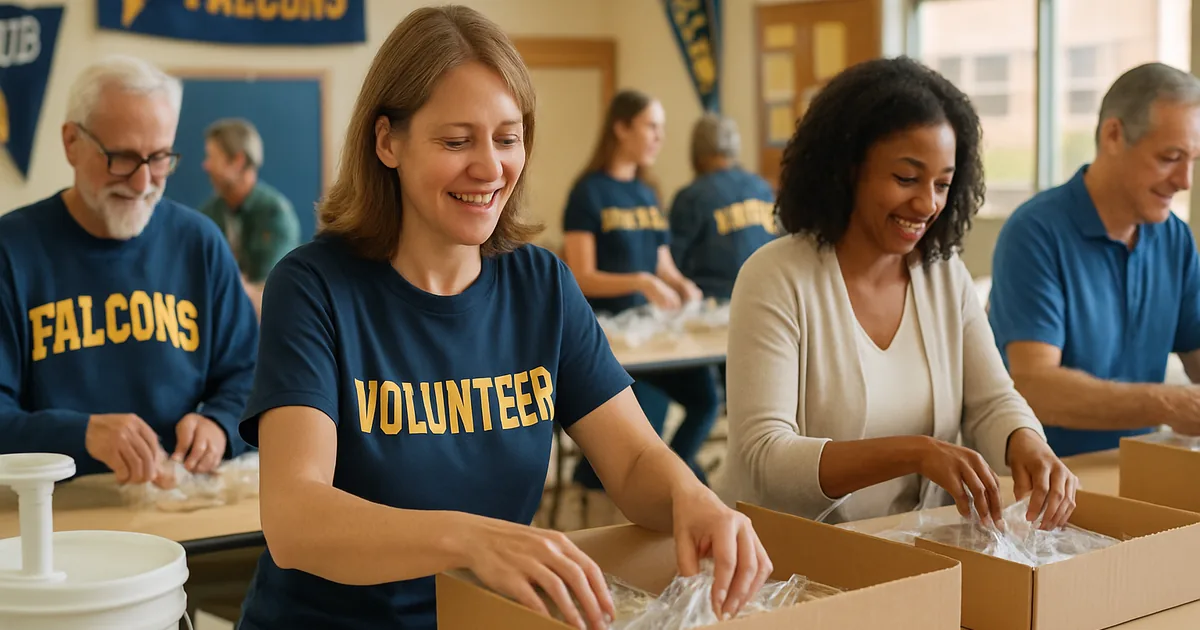
Community groups can compare product preorders, small events, and a combination of the two. Choose from buyer interest, volunteer capacity, expected receipts, and all costs. Household staples are worth considering, but a product sale still needs payment and distribution work, and adding an event does not automatically improve the total.
Community groups face a unique fundraising challenge: you need to raise real money, but your supporters are neighbors, not donors with deep pockets. The fundraisers that work are the ones that make it easy for regular people to help without asking them to spend money they were not already planning to spend.
A familiar fundraiser may still work, or your audience may want something different. Ask supporters and compare costs before replacing treats or novelty items with a household staple.
This guide covers the best fundraising ideas for community organizations, clubs, and nonprofits: how to choose between product sales and events, which products actually sell in a community setting, how to run low-effort high-return campaigns, and the mistakes that quietly kill participation.
- Check interest in the specific product rather than assuming everyone wants detergent.
- Product fundraisers scale through individual networks; events scale through a single gathering — pick the model that matches your group's strength.
- No-upfront-cost programs reduce advance inventory spending, which matters more for volunteer-run community groups than for school PTAs with budgets.
- The best community fundraisers give supporters real value — something useful at a fair price, not a marked-up treat.
- Use a clear selling deadline and allow time for fulfillment.
- A combined sale and event needs one budget covering both activities.
What makes a good community fundraiser different from a school fundraiser?
Community groups operate under different constraints than schools. You typically have fewer built-in participants, less institutional support, and supporters who are helping because they care about the cause, not because their kid brought home a form. That changes what works.
The best community fundraisers are low-barrier and high-value. Low-barrier means people can participate in under a minute without a hard sell or complicated explanation. High-value means supporters feel they got something genuinely useful for their money, not that they made a donation disguised as a purchase. When both are true, participation may spread by word of mouth and need less volunteer follow-up, though results depend on your audience.
Choose campaign frequency from demand and volunteer availability. Consumables can attract repeat orders, but supporters may not need more by the next proposed sale.
What are the best product fundraisers for community groups?
Product fundraisers work well for community groups because they scale through individual networks rather than requiring everyone to show up at one event. The key is choosing a product with broad appeal, real value, and simple logistics.
Household-necessity fundraisers (the standout)
A household staple may replace a purchase supporters already planned. Check formula preferences, bulk size, price, and pickup before assuming it appeals to the whole community.
GCF's 5-gallon pump bucket sells for $49.95 (online orders add $2). The published margin is $13.45 per bucket at 100–299 buckets, $14.45 at 300–499, and $15.45 at 500+, before additional group expenses. The minimum order is 50 buckets; shipping is free at 100+, while shipping charges below 100 reduce the margin. GCF advertises a 100% money-back guarantee: GCF refunds dissatisfied supporters directly, and the group keeps its earned profit. Contact GCF for any remaining refund details.
There is no payment to start: collect supporter orders and payments, then submit the paid group order. GCF recommends 2–3 weeks of selling, followed by about two weeks after the paid order for fulfillment. Allow extra time for setup and distribution. A coordinator provides guidance; your group arranges a commercial delivery address, unloading, and supporter pickup.
Other product options
Reusable bags, bottles, and similar goods can work if supporters want the design and price. Check demand and supplier terms before deciding whether repeat sales are likely.
Seasonal products — holiday wreaths, plants, gift items — can work well if your group has a strong local presence and the timing aligns with your calendar. Logistics may be more involved than for a household staple, and the buyer pool may be narrower depending on the product and your audience, so check local demand and your fulfillment plan first.
Food products have different handling needs: frozen cookie dough may require freezer space, while candy or popcorn may be shelf-stable. Compare the supplier's storage instructions, delivery plan, margin, and local demand rather than rejecting all food fundraisers.
What are the best event-based community fundraisers?
Event fundraisers work when your community has strong local engagement and you have the volunteer capacity to organize a gathering. They build visibility and bring people together, but they require more upfront work than a product sale.
Low-effort, high-return events
A community dinner or pancake breakfast can raise funds through tickets and donations. Budget ingredients, venue, staffing, and other costs, and clearly explain the beneficiary and how proceeds will be used.
Fun runs, walk-a-thons, and similar participation events work well if your community is active and you can secure a safe route. Registration fees provide the base revenue, and many groups add a pledge component where participants collect per-mile or flat donations. The key is keeping logistics simple — a complicated course or registration process kills momentum.
Raffles and silent auctions require less day-of coordination than a full event but still need volunteer effort to solicit prizes and sell tickets. They work best as add-ons to another gathering rather than standalone fundraisers, and you will need to confirm your state and local raffle laws before you start.
Hybrid models: pairing a product sale with an event
A product pickup event can also be a community gathering. If adding ticket sales, donations, or extra products, budget the work and any stock separately; the combination is not automatically more profitable than a single activity.
Combining activities may reduce duplicated promotion, but it can also add coordination. Compare the budget and volunteer duties with running them separately.
How do you choose the right fundraiser for your community group?
For dispersed supporters, compare online giving with a product sale that has a workable pickup plan. Sharing an order link widely does not mean GCF ships to each buyer's home; group delivery and distribution still matter.
Second, how much volunteer capacity do you have? Products need selling, payments, and distribution, while events need planning and staffing. Compare the actual duties with available helpers.
Third, what do your supporters value? If your community prioritizes convenience and practical value, a household-necessity product will resonate. If they value gathering and shared experience, an event will feel more aligned with the cause. The best fundraiser is the one your supporters will actually participate in, not the one that looks best on paper.
How long should a community fundraiser run?
For GCF, plan 2–3 weeks for selling and about two weeks for fulfillment after submitting the paid group order, plus setup and distribution. Set dates around your own calendar; the selling window is not the full campaign timeline.
For product fundraisers, set a firm order deadline and communicate it clearly from the start. For events, promote heavily in the final week and create early-bird incentives to drive advance ticket sales. A clear deadline is one of the simplest ways to boost participation.
| Factor | Product Fundraiser | Event Fundraiser |
|---|---|---|
| Volunteer effort | Selling, orders, pickup | Significant planning & day-of staffing |
| Revenue model | Units × margin less costs | Tickets, gifts, sponsors |
| Weather/timing risk | Delivery may be affected | Outdoor events exposed |
| Reach | Networks + pickup access | Attendees + sponsors |
| Repeat potential | When demand returns | When capacity allows |
Common mistakes to avoid
Choosing a fundraiser that requires upfront money
A preorder program reduces the need to buy speculative inventory; it does not eliminate costs or financial risk. For GCF, collect orders and payments before submitting the paid group order, meet the 50-bucket minimum, and budget for shipping below 100 buckets and any local expenses.
Picking a product with narrow appeal
Household staples are worth considering alongside treats, apparel, and direct giving. Ask your own supporters about price, product preferences, storage, and pickup: familiarity with detergent does not mean everyone wants a 5-gallon bucket.
Running a fundraiser with no clear deadline
For GCF, plan 2–3 weeks for selling and about two weeks for fulfillment after submitting the paid group order, plus setup and distribution. Set dates around your own calendar; the selling window is not the full campaign timeline.
Overcomplicating the ask
If you cannot explain your fundraiser in one sentence, it is too complicated. Supporters should be able to understand what you are selling, why it matters, and how to buy in under a minute.
Underestimating event logistics
Check whether your chosen event needs permits, insurance, or other approvals, and include those requirements in its budget and schedule.
Ignoring repeat potential
A consumable product can support repeat campaigns, but restocking needs, satisfaction, budgets, and interest vary. Ask supporters before scheduling another sale; a 5-gallon bucket may last beyond your next proposed campaign.
- GCF pricing — customer price, online surcharge, order tiers, and shipping. Calculations use the tier for a single group order and exclude additional group expenses. GCF how it works — 50-bucket minimum, selling period, paid-order lead time, commercial delivery and distribution, and advertised guarantee.
- Editorial scope — fundraiser comparisons and scheduling suggestions are planning judgments, not measured rankings or campaign results. Illustrative calculations do not predict participation.
- Raffles require checking your organization's eligibility and the applicable local rules before promotion; a general article cannot establish those permissions.
Our recommendation
A household-staple preorder sale is worth considering when community buyers want the product and your team can handle distribution. GCF's 5-gallon pump bucket sells for $49.95 (online orders add $2). The published margin is $13.45 per bucket at 100–299 buckets, $14.45 at 300–499, and $15.45 at 500+, before additional group expenses. The minimum order is 50 buckets; shipping is free at 100+, while shipping charges below 100 reduce the margin. There is no payment to start: collect supporter orders and payments, then submit the paid group order. GCF recommends 2–3 weeks of selling, followed by about two weeks after the paid order for fulfillment. Allow extra time for setup and distribution. A coordinator provides guidance; your group arranges a commercial delivery address, unloading, and supporter pickup. GCF advertises a 100% money-back guarantee: GCF refunds dissatisfied supporters directly, and the group keeps its earned profit. Contact GCF for any remaining refund details.
Frequently asked questions
Compare product preorders, small community events, and direct giving against your audience, costs, and helpers. A household staple is one option, not a guaranteed highest-return choice.
Estimate retained funds as active sellers × average units sold × the applicable per-unit margin, less additional group expenses. For an illustrative GCF order of 200 buckets, 200 × $13.45 = $2,690 before those expenses. This is a calculation, not a campaign result or forecast.
Product sales and events can both work. Compare expected receipts minus all costs, volunteer hours, and your audience's interest. A small event with donated resources may be easier to run than a large product delivery; there is no universal winner.
A preorder program reduces the need to buy speculative inventory; it does not eliminate costs or financial risk. For GCF, collect orders and payments before submitting the paid group order, meet the 50-bucket minimum, and budget for shipping below 100 buckets and any local expenses. Coordinator support helps with planning and questions, but your group still promotes the sale, reconciles orders and payments, arranges commercial delivery and unloading, and distributes buckets. Assign those jobs before setting the campaign dates.
The easiest option depends on the help you have. A simple appeal has no product to order or deliver, but it still needs promotion, payment handling, and thank-you notes. A supported preorder sale adds order collection, payment tracking, and distribution; a small event adds planning and volunteer shifts. Compare your available helpers and expected net proceeds. If you choose a GCF sale, coordinator support helps with planning and questions, but your group still promotes the sale, reconciles orders and payments, arranges commercial delivery and unloading, and distributes buckets. Assign those jobs before setting the campaign dates.
For GCF, plan 2–3 weeks for selling and about two weeks for fulfillment after submitting the paid group order, plus setup and distribution. Set dates around your own calendar; the selling window is not the full campaign timeline.
A consumable product can support repeat campaigns, but restocking needs, satisfaction, budgets, and interest vary. Ask supporters before scheduling another sale; a 5-gallon bucket may last beyond your next proposed campaign.
Household staples are worth considering alongside treats, apparel, and direct giving. Ask your own supporters about price, product preferences, storage, and pickup: familiarity with detergent does not mean everyone wants a 5-gallon bucket. At $49.95 for 640 fluid ounces, the base price is about 7.8 cents per fluid ounce, before online fees or other applicable costs. Compare current prices and dosing instructions before claiming a saving per load.
GCF's 5-gallon pump bucket sells for $49.95 (online orders add $2). The published margin is $13.45 per bucket at 100–299 buckets, $14.45 at 300–499, and $15.45 at 500+, before additional group expenses. The minimum order is 50 buckets; shipping is free at 100+, while shipping charges below 100 reduce the margin. There is no payment to start: collect supporter orders and payments, then submit the paid group order. GCF recommends 2–3 weeks of selling, followed by about two weeks after the paid order for fulfillment. Allow extra time for setup and distribution. A coordinator provides guidance; your group arranges a commercial delivery address, unloading, and supporter pickup.
Choose a fundraiser your community wants to support and your volunteers can manage. Make the purpose, price, duties, and deadline clear, then use the results to plan the next campaign.