
Clubs, Nonprofits & Community Organizations
Dance Studio & Gym Fundraising Ideas That Actually Work
The best fundraising ideas for dance studios, gymnastics clubs, and fitness teams — from no-upfront-cost product programs to events that fit your schedule.
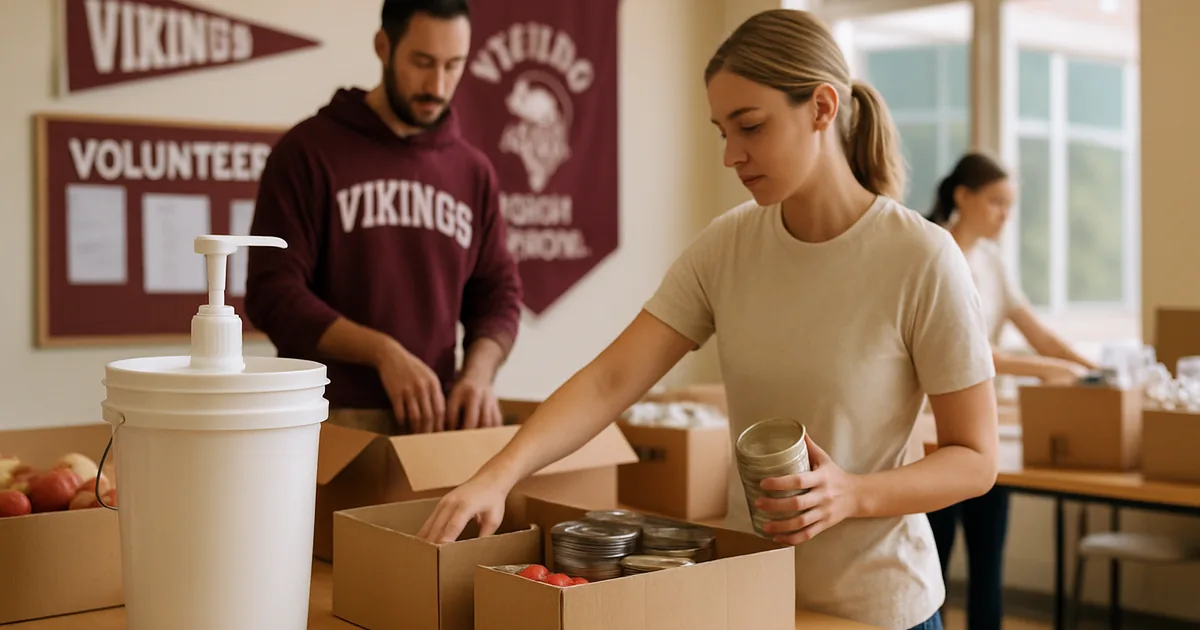
For dance studios and gyms, compare household-staple preorders, showcase ticketing, parent socials, and skill-a-thons against your rehearsal calendar and available helpers. Product sales let families approach supporters beyond the recital audience, while events can use activities you already host. Neither format has a proven universal advantage. Plan selling, fulfillment, and pickup separately so the fundraiser fits between commitments.
Dance studios and gymnastics clubs face a fundraising challenge most groups do not: your families are already stretched thin on time, money, and energy. Between tuition, competition fees, costumes, and travel, the budget is tight, and between rehearsals, meets, and performances, the calendar is tighter. A fundraiser that works for a PTA or a baseball team often falls apart when your families are training fifteen hours a week and traveling every other weekend.
Look for a fundraiser that respects those constraints: an honest offer, manageable duties, and dates that fit rehearsals. A product selling window is only part of the plan; allow time for setup, fulfillment, and pickup as well.
This guide covers what makes a fundraiser work for dance studios and gyms, the best product and event options, how to run a campaign around your training schedule, and the mistakes that quietly cost studios money every season.
- Dance and gym families are time-poor and budget-stretched, so the best fundraisers are simple, short, and low-pressure.
- Household staples may reach supporters beyond recital audiences; check interest in the specific product and bulk size.
- No-upfront-cost programs reduce advance inventory spending and let you run a fundraiser without fronting money for inventory.
- A two-to-four-week selling window fits between competitions and showcases far better than a months-long campaign.
- Event fundraisers can work but demand significant volunteer coordination during your busiest season.
- Choose an offer your supporters want and can afford, whether a product, event, or direct gift.
- Necessity fundraisers let families sell to grandparents, neighbors, and coworkers who would never attend a recital or buy a candy bar.
Why do traditional fundraisers struggle in dance studios and gyms?
Tuition, costumes, travel, and rehearsals can limit the time and money families can commit. Check your own schedule and likely supporters before setting a plan; training hours and the size of the buyer network vary by studio.
To work around those constraints, compare products and events your families can manage, set dates around training, and ask supporters what interests them. Those choices support a workable plan without guaranteeing the highest total.
What makes a good fundraiser for a dance studio or gym?
Before comparing specific options, it helps to have a scorecard. The fundraisers that work best for dance and gymnastics programs are worth checking against the same five factors, and a weak fit on any one of them is a risk to plan around.
First, does it fit your calendar? A fundraiser that requires weekly volunteer shifts during competition season is dead on arrival. Second, is there any upfront cost or financial risk? Studios operating on tight margins cannot afford to front money for inventory that may not sell. Third, how wide is the buyer pool? A product that appeals only to dessert buyers may narrow your supporter base. Fourth, can families sell without door-to-door pressure? Most dance and gym parents want to help but do not have time to knock on doors. Fifth, what is the profit per unit and how simple is the program to run? Higher margins matter, but only if the logistics do not consume your volunteer capacity.
What are the best product fundraisers for dance studios and gyms?
Product sales can let families participate on their own schedules. Compare their payment and distribution duties with the event options below; these categories are suggestions rather than measured performance rankings.
Household-necessity products (the standout category)
Laundry detergent, cleaning supplies, and similar staples are options when families want the product and the team can manage fulfillment. Check the selling period and delivery dates separately before fitting the campaign between showcases.
A household staple may replace a purchase supporters already planned. Check formula preferences, bulk storage, price, and pickup: not every grandparent, neighbor, or coworker will want the same product.
GCF's 5-gallon pump bucket sells for $49.95 (online orders add $2). The published margin is $13.45 per bucket at 100–299 buckets, $14.45 at 300–499, and $15.45 at 500+, before additional group expenses. The minimum order is 50 buckets; shipping is free at 100+, while shipping charges below 100 reduce the margin. There is no payment to start: collect supporter orders and payments, then submit the paid group order. GCF recommends 2–3 weeks of selling, followed by about two weeks after the paid order for fulfillment. Allow extra time for setup and distribution. A coordinator provides guidance; your group arranges a commercial delivery address, unloading, and supporter pickup. GCF advertises a 100% money-back guarantee: GCF refunds dissatisfied supporters directly, and the group keeps its earned profit. Contact GCF for any remaining refund details.
Discount cards and coupon books
Discount cards can work if your community has participating businesses supporters use. Compare the actual card price, group margin, restrictions, and merchant-coordination work before choosing a provider.
Apparel and spirit wear
Custom leotards, team hoodies, and studio-branded gear can appeal to families and other fans. Check design costs, minimum orders, preorder options, and demand before deciding whether apparel should be a main or supplemental fundraiser.
What are the best event fundraisers for dance studios and gyms?
Event fundraisers can raise significant money, but they demand volunteer hours and coordination that many studios cannot spare during competition season. If your calendar allows and you have a strong parent volunteer base, these are the events that tend to work.
Showcase or recital ticketing and concessions
Charging admission to your annual recital or showcase and running a concession stand is one of the simplest event fundraisers because you are already hosting the event. The profit comes from ticket sales, snacks, drinks, and program ads. The challenge is that many studios hesitate to charge families who are already paying tuition, and concession sales depend entirely on attendance.
Parent social nights and wine tastings
A parent-focused social — a trivia night, casual mixer, or wine-and-paint event — can build community while raising funds. Budget the venue and staffing, invite supporters beyond existing families where appropriate, and confirm local requirements and eligibility before including alcohol or raffles.
Skill-a-thons and dance marathons
A skill-a-thon — where dancers or gymnasts collect pledges for every skill completed in a set time — can be a fun, team-building fundraiser that showcases what your athletes can do. The retained funds depend on the pledge amounts, how many pledges each participant collects, whether pledges are paid, and event expenses, and the event requires gym or studio space, supervision, and a clear structure. It works best as a mid-season energy boost rather than a primary fundraiser.
How do you run a fundraiser around a competition and performance schedule?
Look for a window around your own competitions and showcases rather than assuming every studio has the same season. For GCF, plan 2–3 weeks for selling and about two weeks for fulfillment after submitting the paid group order, plus setup and distribution. Set dates around your own calendar; the selling window is not the full campaign timeline.
Set clear dates, hold a kickoff, send agreed reminders, and close orders on schedule. That gives families a manageable plan without promising a participation increase.
How much can a dance studio or gym raise with a product fundraiser?
Total retained funds depend on active sellers, units per seller, the applicable unit margin, and additional expenses. Test buyer interest before assuming a household staple will attract more orders than another product.
For an illustrative GCF campaign, 40 active families averaging five buckets would sell 200 buckets. At $13.45 each, that is $2,690 before additional expenses. At $49.95 for 640 fluid ounces, the base price is about 7.8 cents per fluid ounce, before online fees or other applicable costs. Compare current prices and dosing instructions before claiming a saving per load.
| Factor | Product Fundraiser (Necessity) | Event Fundraiser |
|---|---|---|
| Volunteer time | Selling, orders, pickup | Planning + event shifts |
| Calendar fit | Selling + fulfillment | Plan around studio dates |
| Buyer pool | Interested product buyers | Attendees + sponsors |
| Upfront cost | Preorders limit stock costs | Venue, supplies, deposits |
| Profit potential | Units × margin less costs | Receipts less event costs |
| Logistics | Orders, payment, delivery | Venue, staffing, cleanup |
Common mistakes to avoid
Running a fundraiser during competition season
Asking families to sell during peak competition and performance season can make participation harder. Run your fundraiser in the narrow windows before or after your busiest months.
Choosing a product with a narrow buyer pool
Household staples are worth considering alongside treats, apparel, and direct giving. Ask your own supporters about price, product preferences, storage, and pickup: familiarity with detergent does not mean everyone wants a 5-gallon bucket.
Leaving the selling window open too long
For GCF, plan 2–3 weeks for selling and about two weeks for fulfillment after submitting the paid group order, plus setup and distribution. Set dates around your own calendar; the selling window is not the full campaign timeline.
Fronting money for inventory
A preorder program reduces the need to buy speculative inventory; it does not eliminate costs or financial risk. For GCF, collect orders and payments before submitting the paid group order, meet the 50-bucket minimum, and budget for shipping below 100 buckets and any local expenses.
Planning an event that requires volunteer hours you do not have
A complex event that demands weekly planning meetings and day-of coordination will collapse if your parent volunteers are already stretched thin. Favor simplicity.
Not holding a real kickoff
When families pick up materials whenever they get around to it, some may miss the start. A single kickoff day where everyone gets their materials and instructions at once gives families a clear starting point.
- GCF pricing — customer price, online surcharge, order tiers, and shipping. Calculations use the tier for a single group order and exclude additional group expenses. GCF how it works — 50-bucket minimum, selling period, paid-order lead time, commercial delivery and distribution, and advertised guarantee.
- Editorial scope — fundraiser comparisons and scheduling suggestions are planning judgments, not measured rankings or campaign results. Illustrative calculations do not predict participation.
- Editorial scope — these scheduling and fundraiser comparisons are planning suggestions, not findings from aggregated studio campaign data.
Our recommendation for dance studios and gyms
For families who want a product sale around training commitments, consider GCF after checking demand and delivery capacity. GCF's 5-gallon pump bucket sells for $49.95 (online orders add $2). The published margin is $13.45 per bucket at 100–299 buckets, $14.45 at 300–499, and $15.45 at 500+, before additional group expenses. The minimum order is 50 buckets; shipping is free at 100+, while shipping charges below 100 reduce the margin. There is no payment to start: collect supporter orders and payments, then submit the paid group order. GCF recommends 2–3 weeks of selling, followed by about two weeks after the paid order for fulfillment. Allow extra time for setup and distribution. A coordinator provides guidance; your group arranges a commercial delivery address, unloading, and supporter pickup. GCF advertises a 100% money-back guarantee: GCF refunds dissatisfied supporters directly, and the group keeps its earned profit. Contact GCF for any remaining refund details.
Frequently asked questions
The best fundraiser fits the studio's calendar, helpers, and audience. Compare household-staple preorders, showcase ticketing, and skill-a-thons by expected net proceeds and duties rather than assuming product sales always outperform treats or events.
Gymnastics clubs can combine product sales with events such as skill-a-thons and parent socials. Choose the mix from audience interest and the training calendar, and budget the work for both selling and fulfillment.
During competition season, choose something your families can manage without adding more work than they can commit. A preorder sale can fit around practice, but payment reconciliation and distribution still need helpers. For GCF, plan 2–3 weeks for selling and about two weeks for fulfillment after submitting the paid group order, plus setup and distribution. Set dates around your own calendar; the selling window is not the full campaign timeline.
Estimate retained funds as active sellers × average units sold × the applicable per-unit margin, less additional group expenses. For an illustrative GCF order of 200 buckets, 200 × $13.45 = $2,690 before those expenses. This is a calculation, not a campaign result or forecast.
A preorder program reduces the need to buy speculative inventory; it does not eliminate costs or financial risk. For GCF, collect orders and payments before submitting the paid group order, meet the 50-bucket minimum, and budget for shipping below 100 buckets and any local expenses.
Ask parents which options fit their time and budgets. Clear prices, a specific funding purpose, and manageable duties can help families decide; preferences should not be assumed from being dance or gym parents.
Pick dates around your actual competitions and rehearsals, hold a kickoff, and communicate the deadline and pickup plan. For GCF, plan 2–3 weeks for selling and about two weeks for fulfillment after submitting the paid group order, plus setup and distribution. Set dates around your own calendar; the selling window is not the full campaign timeline.
Product sales and events can both work. Compare expected receipts minus all costs, volunteer hours, and your audience's interest. A small event with donated resources may be easier to run than a large product delivery; there is no universal winner.
GCF's 5-gallon pump bucket sells for $49.95 (online orders add $2). The published margin is $13.45 per bucket at 100–299 buckets, $14.45 at 300–499, and $15.45 at 500+, before additional group expenses. The minimum order is 50 buckets; shipping is free at 100+, while shipping charges below 100 reduce the margin. There is no payment to start: collect supporter orders and payments, then submit the paid group order. GCF recommends 2–3 weeks of selling, followed by about two weeks after the paid order for fulfillment. Allow extra time for setup and distribution. A coordinator provides guidance; your group arranges a commercial delivery address, unloading, and supporter pickup.
Dance studios and gyms need a fundraiser that fits their schedule and families' budgets. Keep the plan manageable, check buyer interest, and assign selling and fulfillment duties before setting a target.